
The Power of Community: The Collaborative Nature of Andean Construction Projects

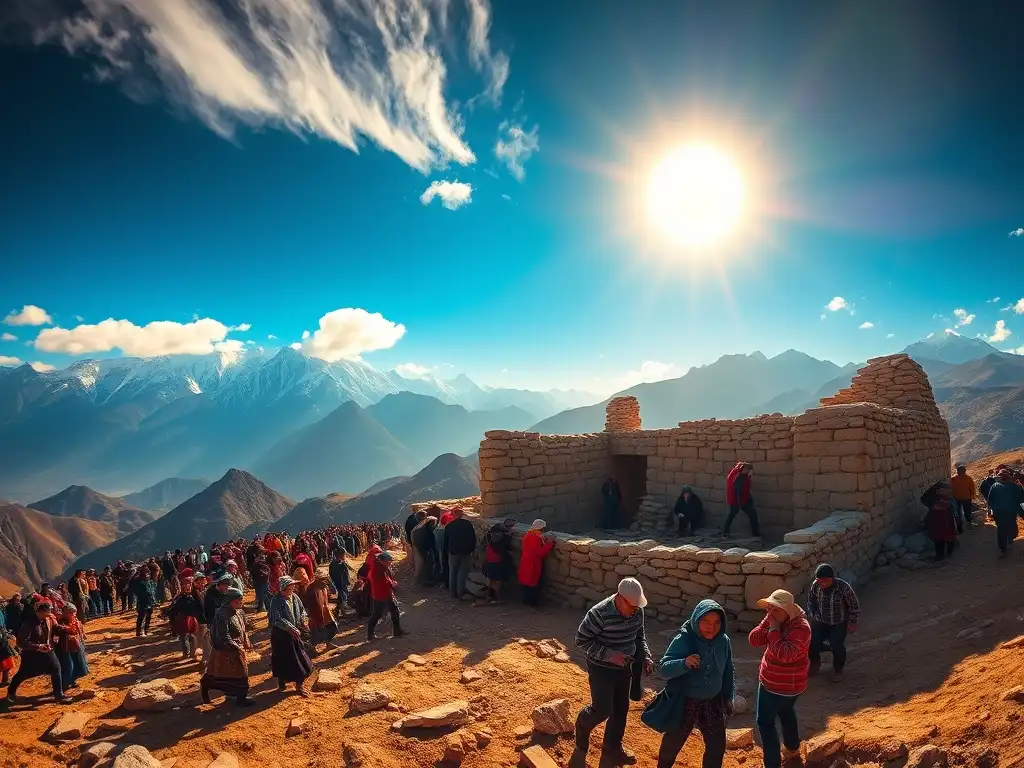
Unravel the mysteries of the Andes! Journey through time to discover a world where monumental achievements weren't built by kings alone, but by vast networks of collaborative communities. This website delves into the fascinating world of Andean civilizations, exploring their intricate cultures, breathtaking art, and remarkable ingenuity. But prepare to be amazed by the secrets behind Andean construction collaboration, a testament to human ingenuity and social organization that continues to inspire awe today. Dive in and uncover the power of community!
The breathtaking architecture of the Andes—from the intricate terraces of the Inca to the monumental structures of Tiahuanaco—stands as a testament not only to sophisticated engineering but also to the remarkable power of community collaboration. This article delves into the collaborative nature of Andean construction projects, exploring how collective labor, sophisticated organization, and a deep-rooted sense of shared purpose enabled the creation of these awe-inspiring feats of engineering.
We will examine the intricate systems of social organization and resource management that underpinned these monumental undertakings, revealing the crucial role of community in shaping the landscape and legacy of the Andes. Understanding this collaborative spirit is key to appreciating the true scale and significance of Andean achievements, highlighting a model of sustainable development that continues to resonate today.
We will explore specific examples showcasing the ingenuity and collective effort behind these impressive constructions, analyzing how Andean societies effectively mobilized their resources and manpower to overcome significant logistical and engineering challenges. This exploration of "Andean construction collaboration" will illuminate the profound connection between community, technology, and the enduring architectural heritage of the Andes.
Understanding Andean Construction Collaboration: An Introduction
The construction projects of the ancient Andean civilizations were not the work of individual geniuses or powerful rulers alone. Instead, they represent a remarkable feat of collective human effort, driven by a deeply ingrained social structure that prioritized community well-being and shared responsibility. The scale of many projects, such as the vast terrace systems carved into mountain slopes or the monumental stonework of cities like Machu Picchu, necessitates a highly organized and cooperative workforce.
Evidence suggests a sophisticated system of labor mobilization, likely involving a combination of specialized labor groups, communal contributions, and possibly even forms of conscripted labor during specific periods or for particularly large-scale projects. The success of these projects hinged on a complex interplay of factors, including:
- Efficient Resource Management: Andean societies developed intricate systems for managing resources, including labor, materials, and food supplies. This efficient allocation was crucial for sustaining large-scale construction efforts over extended periods.
- Specialized Labor: Archaeological evidence points to the existence of specialized craftspeople and builders, each with specific skills and responsibilities. This division of labor contributed to the precision and efficiency of construction techniques.
- Community Participation: Beyond specialized labor, broader community involvement was vital. The construction of terraces, for example, likely involved the participation of entire communities, contributing their time and effort to benefit the collective.
- Symbolic Significance: The construction projects themselves often held profound symbolic meaning, representing the power and unity of the community, strengthening social bonds and reinforcing collective identity. This shared purpose served as a powerful motivator for participation.
The integration of these elements created a dynamic and effective system for undertaking ambitious construction projects, showcasing the remarkable organizational capabilities of Andean societies.
The Foundation of Andean Architecture: Collective Labor
The very foundation of Andean architecture rested on collective labor. The monumental stone structures, intricate irrigation systems, and extensive road networks were not built by a single individual or a small group of elites, but rather through the combined efforts of entire communities. This communal effort wasn't simply a matter of manpower; it was deeply ingrained in the social fabric of Andean societies. Consider, for example, the construction of the massive stone blocks used in Inca constructions.
Moving and precisely fitting these enormous stones required sophisticated techniques and immense coordinated effort, clearly demonstrating the level of planning and cooperation involved. The precise cutting and fitting of stones, often without the use of mortar, highlights the advanced engineering skills and the collaborative spirit that characterized Andean construction. Moreover, the construction of extensive terrace systems across steep mountain slopes required not only considerable physical labor but also careful planning and coordination to manage water resources and create sustainable agricultural practices. This collaborative effort wasn't just about building structures; it was about creating a sustainable environment that supported the entire community.
The legacy of this collaborative approach is visible in the enduring structures and landscapes that continue to inspire awe and admiration today. Further research is needed to fully understand the specific mechanisms and social structures that governed these collaborative efforts, but the evidence clearly indicates the crucial role of community in the creation of Andean architectural marvels. The sheer scale and precision of these projects stand as a powerful testament to the power of collective human endeavor.
- Understanding Andean Construction Collaboration: An Introduction
- The Foundation of Andean Architecture: Collective Labor
- How did Andean communities collaborate on large-scale construction projects?
- What role did specialized labor play in Andean construction?
- What technologies did Andean civilizations use to facilitate collaboration during construction?
- How did the organization of Andean society impact construction collaboration?
- Were there any challenges to collaboration in Andean construction projects?
Ancient Andean Building Practices and the Role of Community
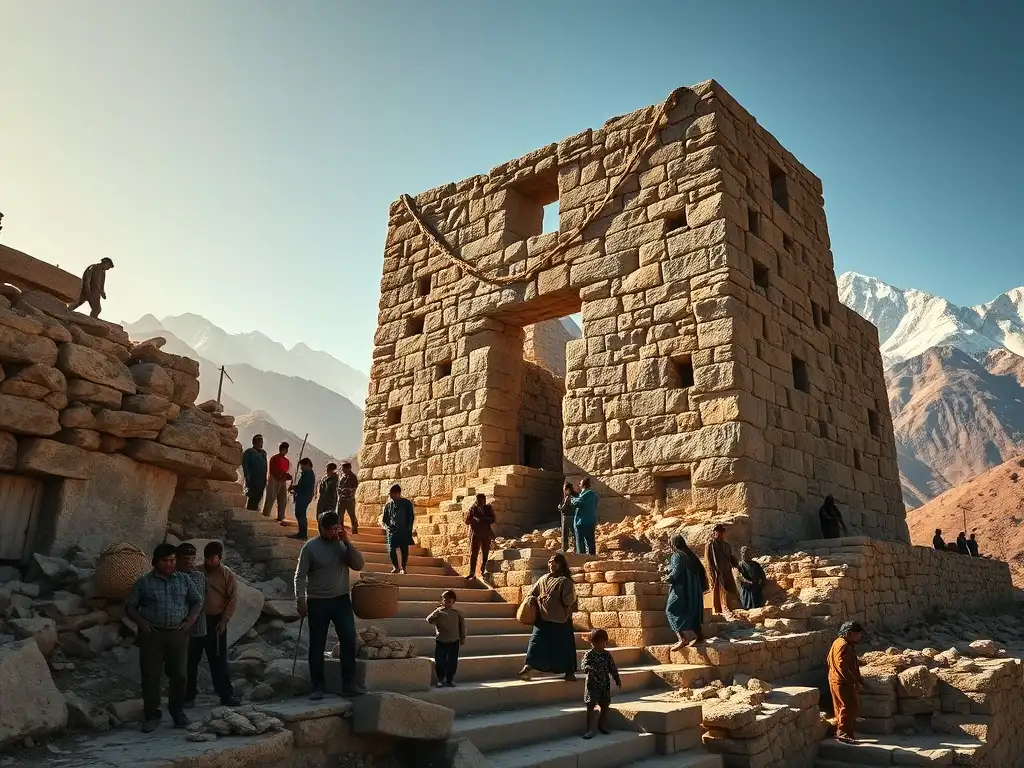
The monumental architecture of the Andes, from the intricate Nazca lines to the imposing Inca cities, stands as a testament not only to advanced engineering skills but also to a deeply ingrained culture of community collaboration. Understanding Andean construction requires recognizing that these achievements weren't the product of a centralized, top-down system, but rather the result of a complex interplay of social structures, reciprocal obligations, and shared labor.
The concept of "Andean construction collaboration" is central to deciphering the methods and motivations behind these impressive feats. This section will delve into the key mechanisms that fueled this collaborative spirit, highlighting the crucial roles of Minga and Ayni.
Minga: The Cornerstone of Andean Construction Projects
Minga, a Quechua term, represents a crucial element in understanding Andean construction collaboration. It refers to a system of collective labor where community members contribute their time and skills to a shared project, often without direct monetary compensation. Minga wasn't merely a work detail; it was a deeply embedded social practice that fostered community cohesion and strengthened social bonds. The scale of Andean construction projects, from irrigation canals spanning miles to massive stone structures, necessitates a large workforce, and Minga provided the mechanism to mobilize it effectively.
Participation in Minga wasn't obligatory in the sense of forced labor. Instead, it was driven by a strong sense of communal responsibility and the understanding that collective effort benefited everyone. The success of a Minga depended on the participation of all members, fostering a sense of shared ownership and pride in the accomplishment. Think of the construction of a new temple or the repair of an irrigation system – these weren't simply infrastructural projects; they were communal events that reinforced social solidarity.
The communal feasting and celebrations that often accompanied Minga further cemented these social bonds. Data from archaeological studies, while limited in directly quantifying Minga participation, strongly suggests its central role in the construction of many Andean structures. Further research into pre-Columbian records and oral histories could illuminate the precise dynamics of Minga organization and management across different Andean societies.
The success of Andean construction collaboration rested on the principle of reciprocity. This wasn't simply a matter of exchanging goods or services; it was a deeply ingrained social ethic that permeated all aspects of Andean life. In the context of construction projects, reciprocity manifested in several ways. For example, participation in a Minga in one community might be reciprocated by participation in a Minga in another community at a later date. This system of mutual assistance ensured that the burden of labor was shared equitably, preventing any single community from being unduly burdened.
Furthermore, the distribution of resources and responsibilities played a crucial role. Access to resources like food, tools, and materials was often shared collectively, reflecting a system of mutual support designed to ensure the success of the project. The leadership and organization of Minga projects were often entrusted to individuals with recognized experience and authority within the community, highlighting the importance of leadership and coordination in the success of these collaborative efforts.
The absence of a clearly defined hierarchical structure, however, points to a system of leadership based on respect and consensus rather than coercion. This collaborative, reciprocal approach formed the foundation of Andean construction collaboration, making it a sustainable and effective model for large-scale projects.
Ayni: The Principle of Mutual Aid in Andean Societies
Ayni, another Quechua term, is closely related to Minga but emphasizes the immediate exchange of goods or services. While Minga focuses on collective labor towards a shared goal, Ayni highlights the principle of mutual aid and immediate reciprocity. In the context of Andean construction, Ayni might involve providing specific skills or materials directly in exchange for assistance on another task. A skilled stonemason, for example, might assist in building a wall in exchange for help in cultivating a field. This system of direct exchange ensured the efficient allocation of resources and skills within the community.
The intertwining of Minga and Ayni demonstrates the sophistication of the Andean approach to collective action. These systems weren't mutually exclusive but rather complementary, working together to mobilize resources and labor efficiently. The combination of long-term collective projects (Minga) and immediate reciprocal exchanges (Ayni) fostered a strong sense of community, social cohesion, and mutual support, which, in turn, facilitated the construction of the remarkable architectural achievements of the Andean civilizations.
The enduring legacy of these principles highlights the importance of social organization and collective effort in achieving extraordinary feats of engineering and architecture. Further research into the precise interplay of Minga and Ayni in different Andean contexts is needed to fully appreciate the nuances of this multifaceted system. Understanding this dynamic is crucial for a complete understanding of Andean construction collaboration.
Specific Examples of Andean Construction Collaboration
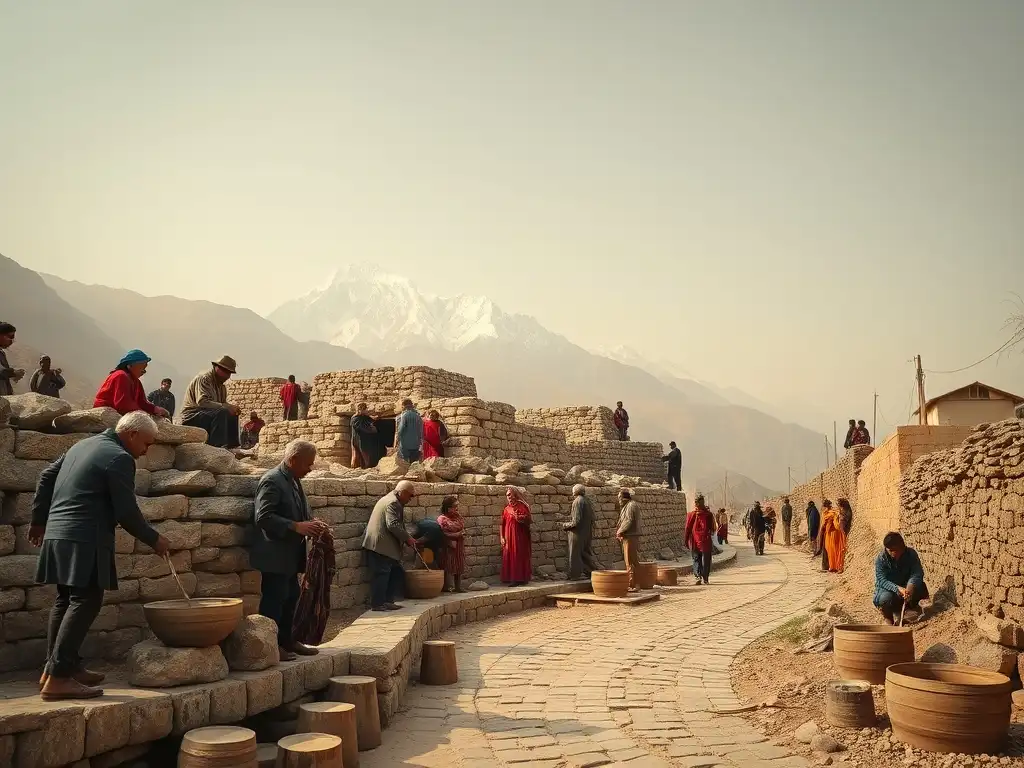
This section delves into the practical manifestations of collaborative construction practices in various Andean civilizations. We'll explore how community involvement shaped monumental projects, highlighting the intricate organizational systems and social structures that underpinned these impressive feats of engineering. The concept of "Andean construction collaboration" wasn't merely a matter of manpower; it was deeply intertwined with social organization, religious beliefs, and economic systems. Understanding this collaborative spirit is crucial to appreciating the scale and sophistication of Andean achievements.
Collaborative Efforts in Inca Road Construction
The Inca road system, a marvel of ancient engineering, stands as a testament to the power of coordinated effort. Spanning thousands of miles across challenging Andean terrain, this network connected the vast Inca Empire, facilitating communication, trade, and military movements. The construction wasn't solely the responsibility of a centralized authority; rather, it involved the collective participation of ayllus, the fundamental socio-economic units of Inca society.
Each ayllu contributed labor, resources, and expertise according to its capabilities. This wasn't simply forced labor; it was a system rooted in reciprocity and communal obligation. Specialized workers, such as stonemasons, carpenters, and rope-makers, played crucial roles, demonstrating a sophisticated division of labor within the collaborative framework.
The roads themselves weren't just pathways; they were meticulously engineered structures, incorporating impressive feats of stonework, suspension bridges, and sophisticated drainage systems. The efficiency and longevity of the Inca road system are direct consequences of this highly organized and collaborative approach to construction. Archaeological evidence reveals a remarkable consistency in construction techniques across vast distances, indicating a degree of standardization and shared knowledge fostered by the collaborative process.
Community Participation in Terrace Building
Andean agriculture thrived thanks to the ingenious system of terraced farming. These meticulously constructed terraces transformed steep slopes into productive farmland, maximizing arable land in mountainous regions. The construction of these terraces was a monumental undertaking, requiring extensive labor and careful planning. Again, community participation was paramount. Families within a village or ayllu would work together, sharing tasks and resources.
The process involved significant surveying, earth moving, stone laying, and irrigation system construction. The design and construction of terraces were not standardized; they adapted to the specific contours of the land, showcasing the practical knowledge and adaptability of the Andean communities. The terraces themselves weren't just agricultural features; they also served as social spaces, reinforcing community bonds and fostering a sense of shared accomplishment.
The enduring legacy of these terraces, many of which remain in use today, underscores the sustainability and effectiveness of the collaborative approach to Andean agriculture and construction. The precise methods varied regionally, reflecting the unique environmental conditions and local building traditions. However, the underlying principle of collaborative effort remained constant.
Cooperative Strategies in the Construction of Ceremonial Centers
The construction of ceremonial centers, such as Machu Picchu or Sacsayhuamán, involved a massive mobilization of labor and resources, demanding sophisticated organizational skills and extensive community participation. These weren't simply religious sites; they were also centers of social and political life, reinforcing the power and legitimacy of the ruling elite while simultaneously serving the needs of the wider community.
The construction of these monumental structures involved a complex interplay of specialized labor, resource management, and logistical coordination. Evidence suggests that different ayllus or groups were assigned specific tasks based on their skills and proximity to the construction site. The transportation of massive stones, often over considerable distances, required ingenious techniques and considerable collective effort.
The precise alignment of stones, the intricate carvings, and the overall architectural design testify to the advanced knowledge and collaborative spirit of the builders. These projects weren't completed overnight; they spanned generations, reflecting the long-term commitment and sustained collaborative efforts of Andean communities. The enduring legacy of these ceremonial centers speaks to the remarkable achievements made possible through collective action and shared purpose.
The scale of these projects, coupled with the sophisticated techniques employed, highlights the advanced organizational and engineering capabilities of the Andean civilizations. The success of these projects relied heavily on the effective mobilization and coordination of labor, a testament to the strength of Andean social structures and collaborative spirit.
The Role of Specialized Labor Within Collaborative Projects
The remarkable achievements in Andean construction weren't solely the result of sheer manpower; they relied heavily on a sophisticated system of specialized labor. Different groups possessed unique skills and knowledge, contributing to the overall success of monumental projects. This division of labor wasn't simply a matter of assigning tasks; it reflected a deep understanding of the complexities involved in large-scale construction.
For instance, stone masons, renowned for their precision and artistry, weren't interchangeable with the laborers responsible for transporting massive stones across challenging terrain. The expertise of each group was essential, creating a synergistic effect that propelled the construction process forward.
This specialization extended beyond the obvious distinctions. Evidence suggests the existence of specialized teams for tasks such as quarrying, shaping, and fitting stones. Others focused on the intricate design and planning phases, ensuring the structural integrity and aesthetic appeal of the final product. Moreover, the effective management of these specialized teams demanded a high degree of organizational skill.
Project managers, or individuals fulfilling similar roles, were crucial in coordinating the efforts of these diverse groups, optimizing resource allocation, and ensuring timely completion. This intricate interplay of specialized skills and coordinated effort is a testament to the sophisticated organizational capabilities of Andean societies. The construction of sites like Machu Picchu, for example, wouldn't have been possible without this well-defined division of labor.
The precision of the stonework, the logistical complexities of transporting materials, and the overall architectural ingenuity all point to a highly organized and collaborative approach. The success of these projects demonstrates a deep understanding of project management principles, far exceeding what many might assume of ancient societies. Further research into the social structures and hierarchies within Andean communities could reveal more about how these specialized roles were assigned and maintained, shedding more light on the "Andean construction collaboration" process.
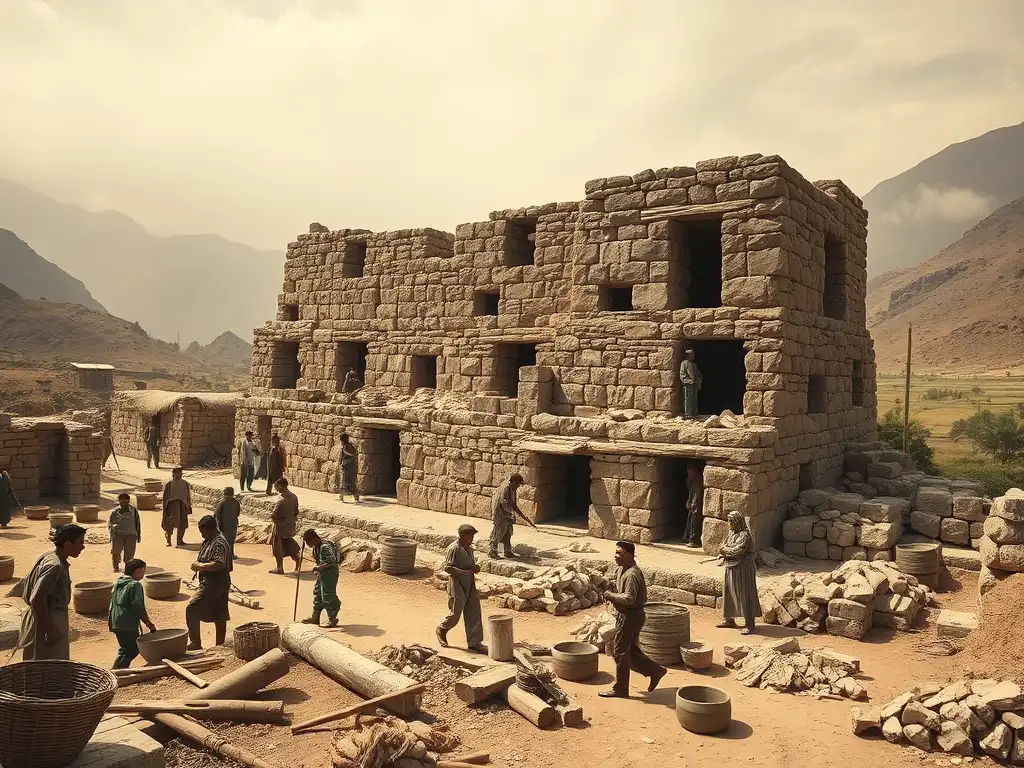
The monumental structures of the Andes, from the intricate terraces of the Inca to the colossal platforms of Tiahuanaco, stand as testaments not only to impressive engineering feats but also to the profound social impact of collaborative building. Andean construction collaboration wasn't merely a logistical solution; it was a cornerstone of Andean society, shaping community dynamics, fostering identity, and transmitting vital knowledge across generations. Understanding this collaborative spirit is crucial to appreciating the true scale and significance of these ancient achievements.
The sheer manpower required for projects of this magnitude necessitates a highly organized and cooperative workforce, a testament to the sophisticated social structures of these civilizations. This section will explore the multifaceted social impacts of this collaborative approach to Andean construction.
The collaborative nature of Andean construction projects played a vital role in strengthening community bonds. Participation in these large-scale undertakings fostered a sense of shared purpose and collective responsibility. Individuals from diverse backgrounds and social strata worked side-by-side, contributing their skills and labor towards a common goal.
This shared experience transcended individual differences, creating a strong sense of unity and interdependence within the community. Archaeological evidence suggests that work was often organized around ayllus, kinship-based groups, further reinforcing social ties and promoting mutual support. The construction sites themselves likely became social hubs, providing opportunities for interaction, exchange of ideas, and the strengthening of social networks.
This collaborative process wasn't just about building structures; it was about building community. The shared effort and the resulting sense of accomplishment undoubtedly enhanced social cohesion and fostered a strong sense of collective identity. Moreover, the distribution of resources and rewards associated with these projects likely further solidified social bonds and ensured social stability.
Fostering a Sense of Collective Identity
The construction of monumental structures acted as powerful symbols of collective identity in Andean societies. These impressive feats of engineering served as tangible representations of the community's shared history, values, and aspirations. Participation in the construction process instilled a sense of pride and belonging, reinforcing the collective identity of the group.
The construction of a temple, for example, wasn't just about creating a place of worship; it was about collectively creating a symbol of their shared faith and cultural heritage. Similarly, the construction of irrigation systems or defensive fortifications served as tangible expressions of the community's collective resilience and ingenuity. These projects fostered a sense of collective efficacy – the belief in the community's ability to achieve common goals – further strengthening social cohesion and promoting a shared sense of purpose.
The legacy of these structures continues to resonate today, serving as powerful reminders of the collaborative spirit and collective identity of Andean civilizations. The enduring presence of these structures testifies to the lasting impact of Andean construction collaboration on the cultural landscape and identity.
The Transmission of Knowledge Through Collaborative Work
Andean construction projects served as crucial settings for the transmission of specialized knowledge and skills across generations. Master builders and skilled artisans worked alongside apprentices, sharing their expertise and passing down valuable techniques. This apprenticeship model, embedded within the collaborative construction process, ensured the continuity of traditional building practices and the preservation of cultural heritage.
The construction of intricate stonework, for instance, required a high level of skill and precision, which was passed down through generations of artisans working together on various projects. This intergenerational knowledge transfer wasn't limited to technical skills; it also encompassed the cultural and symbolic meaning embedded within the construction process itself. Elderly community members often played important roles in guiding the younger generation, ensuring the continuity of cultural practices and beliefs.
This systematic approach to knowledge transmission underscores the deep understanding of social dynamics and the importance of collective learning inherent in Andean construction collaboration. The sophisticated techniques and designs evident in Andean architecture are a direct result of this continuous cycle of learning and knowledge transfer facilitated by the collaborative nature of the work. This collaborative knowledge transfer was an essential component of Andean construction collaboration, ensuring the survival and evolution of their building traditions.
The Legacy of Andean Construction Collaboration
The remarkable architectural achievements of the Andes—from the intricate stonework of Machu Picchu to the monumental platforms of Tiahuanaco—were not the product of individual genius, but rather the result of sophisticated systems of Andean construction collaboration. Understanding this collaborative spirit is crucial to appreciating the scale and precision of these ancient projects. The sheer volume of labor involved in moving massive stones, constructing complex irrigation systems, and erecting towering structures necessitates a highly organized and cooperative workforce.
Evidence suggests a complex social structure where labor was likely organized through a combination of ayllu (extended family groups) and mita (a form of mandatory labor service). This wasn't simply a matter of assigning tasks; it involved intricate planning, resource management, and a shared understanding of the project's goals. The success of these endeavors depended on a deep-seated sense of community and collective responsibility, a testament to the power of social cohesion in achieving ambitious engineering feats.
This collaborative ethos permeated all aspects of Andean society, impacting not just construction but also agriculture, warfare, and religious practices. Analyzing the logistical complexities of these projects reveals a level of societal organization far beyond what was previously assumed, highlighting the advanced social structures of these civilizations.
Lessons for Modern Construction Practices
Modern construction projects, often characterized by fragmented labor forces and a focus on individual profit maximization, could learn valuable lessons from the collaborative approach of Andean civilizations. The efficiency and precision observed in Andean construction suggest that a more integrated and community-focused approach could lead to better outcomes in contemporary projects. Consider, for example, the intricate fitting of stones in Inca structures, where precision was so high that blades of grass could not be inserted between them. This level of accuracy implies a high degree of communication and coordination among workers.
This contrasts sharply with modern practices where disputes and delays are often caused by a lack of communication between different teams and contractors. By fostering a more collaborative environment, modern construction could potentially reduce costs, improve quality, and enhance worker satisfaction. Furthermore, the Andean model emphasizes sustainability and harmony with the environment, which are increasingly important considerations in today's construction industry.
The integration of local materials and the careful consideration of the landscape in Andean projects offer valuable insights into environmentally responsible construction practices. Adopting a more holistic approach, inspired by Andean principles of community and environmental stewardship, could significantly improve the sustainability and efficiency of modern construction. Detailed studies comparing traditional Andean techniques with modern practices are needed to fully understand the potential benefits of this transfer of knowledge.
The Enduring Impact of Andean Collaborative Culture
The legacy of Andean construction collaboration extends far beyond the physical structures that remain. The collaborative spirit and social structures that facilitated these monumental achievements continue to influence Andean societies today. The ayllu system, although modified over time, remains a significant social and economic unit in many Andean communities. The emphasis on community participation and shared responsibility continues to shape social interactions and economic activities.
This enduring legacy is evident in the continued use of traditional building techniques and materials in many Andean regions. While modern materials and technologies are increasingly adopted, the spirit of collaboration and community engagement remains central to many construction projects. The preservation of traditional knowledge and practices is vital not only for cultural heritage but also for maintaining sustainable building methods.
Understanding the long-term impact of this cultural legacy is crucial to appreciating the complex interplay between past and present in the Andes. Further research into contemporary Andean communities and their construction practices can provide valuable insights into the ways in which this collaborative culture continues to shape modern society. This ongoing legacy is a powerful testament to the enduring influence of these ancient Andean civilizations.
Preserving Andean Construction Traditions in Contemporary Society
Preserving the traditions of Andean construction collaboration is crucial for several reasons. Firstly, it ensures the protection of a vital part of Andean cultural heritage. These traditional building techniques represent centuries of accumulated knowledge and skill, and their loss would be a significant blow to cultural diversity. Secondly, preserving these traditions offers valuable lessons for sustainable construction practices. The Andean approach emphasizes the use of local materials, minimizing environmental impact, and adapting building techniques to the local environment.
These principles are increasingly relevant in today's world, as concerns about climate change and resource depletion grow. Thirdly, the preservation of these traditions can contribute to economic development in Andean communities. The revival of traditional building techniques can create employment opportunities and promote cultural tourism. This requires a multi-faceted approach involving the support of local communities, the training of skilled artisans, and the integration of traditional knowledge with modern technologies.
Effective preservation strategies must also consider the challenges of globalization and the pressures of modernization. Careful planning and community engagement are essential to ensure that traditional building practices are not lost but rather integrated into a sustainable future. A collaborative effort between governmental agencies, academic institutions, and local communities is crucial for the successful preservation of this invaluable legacy. This collaborative preservation effort would mirror, in a way, the very collaborative spirit that produced the magnificent structures of the Andes.
Frequently Asked Questions
How did Andean communities collaborate on large-scale construction projects?
Andean construction relied heavily on community labor and reciprocity. People worked together, often fulfilling labor obligations tied to their social standing and access to resources. This system, known as ayni, ensured widespread participation.
What role did specialized labor play in Andean construction?
While community labor was crucial, specialized craftspeople like masons, metalworkers, and architects played vital roles. Their expertise guided the construction process and ensured high-quality results.
What technologies did Andean civilizations use to facilitate collaboration during construction?
Andean builders employed ingenious techniques like rope suspension bridges and precise stone fitting which required sophisticated coordination and teamwork. They also utilized advanced knowledge of terracing and irrigation systems.
How did the organization of Andean society impact construction collaboration?
The hierarchical social structure of Andean societies provided a framework for organizing large-scale projects. Leaders directed the workforce, and the system of mita (labor tribute) ensured a steady supply of workers.
Were there any challenges to collaboration in Andean construction projects?
While generally successful, challenges existed. Resource management, conflict resolution, and maintaining motivation across large, diverse workforces were likely ongoing concerns. Climate and geographic limitations also played a role.
Final Reflection: Echoes of Collaboration in the Andes
The collaborative spirit evident in Andean construction projects, from ancient Incan citadels to modern community initiatives, remains a potent model for sustainable development and social cohesion in a world increasingly fractured by individualism. This enduring legacy challenges us to reconsider our approaches to large-scale projects and prioritize community engagement as a cornerstone of success. The efficiency and resilience demonstrated by these historical and contemporary examples offer invaluable lessons for the future.
The impact of community-driven construction extends far beyond the physical structures themselves; it fosters a sense of shared ownership and collective responsibility that strengthens social bonds and promotes cultural preservation. The strength of a community lies not in the number of people, but in the strength of their connections.
This quote, though not directly from an Andean source, perfectly encapsulates the spirit of collaboration that permeates Andean construction, creating a legacy that continues to resonate today. We see this reflected in modern initiatives that employ traditional techniques and community involvement to build sustainable infrastructure, preserving both cultural heritage and environmental integrity.
Consider the implications of this collaborative model for your own life. How can you foster a stronger sense of community in your own projects, both large and small? Embrace the power of collective action, the wisdom of shared experience, and the enduring strength of human connection. By actively seeking collaboration and valuing diverse perspectives, you too can build something truly remarkable – not just a structure, but a stronger, more resilient community.
Unveil the Power of Collaboration in Your Community!
Thank you for exploring the fascinating collaborative spirit of Andean construction projects! You've gained insights into how community effort transforms environments and strengthens bonds. Now, let's apply that inspiration to your own community.
Here are a few ways to harness the power of collaborative action:
- Launch a Community Initiative: Organize a local project, such as a neighborhood cleanup, a community garden, or a local festival—bringing your neighbors together to achieve something meaningful.
- Draw Inspiration from the Past: Research your area's history to discover traditional practices that fostered strong community bonds. Integrating these elements into your projects can add depth and connection.
- Share Your Success: Document and share your experiences on social media or a blog. Inspire others to participate and understand the value of community-driven initiatives.
What innovative ideas do you have for strengthening collaboration in your community? Share your thoughts below!