
Beyond the Larder: The Multifaceted Role of Food Storage in Andean Societies

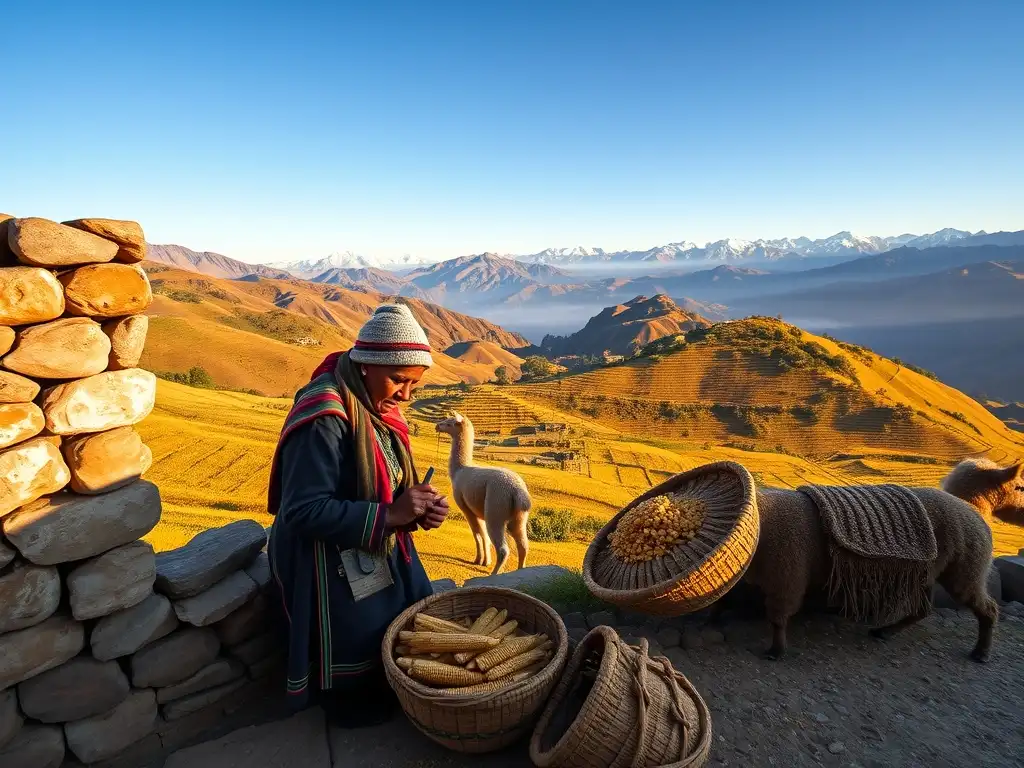
Step into a world lost to time, yet echoing with the ingenuity of the Andes. Imagine societies thriving in the harsh heights, their survival intricately woven with remarkable innovations. This isn't just a story of empires; it's a tale of resilience, told through the lens of Andean food storage techniques. Discover how ingenious methods shaped not only survival, but also the very fabric of Andean culture – a story waiting to unfold in our exploration of "Beyond the Larder: The Multifaceted Role of Food Storage in Andean Societies."
The Andes Mountains, a spine of towering peaks and fertile valleys stretching along the western coast of South America, nurtured some of the most sophisticated pre-Columbian civilizations. While we often focus on the grandeur of Inca architecture or the artistry of Nazca lines, a crucial element underpinning the success and longevity of these Andean societies was their mastery of food storage and preservation. This article delves beyond the simple notion of a "larder," exploring the multifaceted role food storage played in the social, economic, and religious life of these remarkable cultures.
We will examine the ingenious techniques employed, the logistical challenges overcome, and the profound impact these practices had on shaping Andean societies and their enduring legacies. The intricate relationship between Andean food storage techniques and societal structure reveals a complex tapestry woven from practicality, ingenuity, and cultural significance, a testament to the adaptability and resourcefulness of these ancient peoples.
Understanding these techniques is key to fully appreciating the remarkable achievements of Andean civilizations. We will explore the diverse methods employed by different cultures, highlighting the innovations and adaptations that allowed them to thrive in challenging environments.
Introduction: The Importance of Food Preservation in the Andes
The harsh Andean environment, characterized by dramatic altitude changes, unpredictable weather patterns, and limited arable land, presented significant challenges to food production. Successful agriculture depended not only on cultivating crops adapted to these conditions (such as potatoes, maize, quinoa, and beans) but also on efficient and effective methods for preserving the harvest to ensure food security throughout the year. Without sophisticated storage techniques, the cyclical nature of agricultural production would have led to periods of famine and societal instability.
The development and refinement of food storage strategies, therefore, were absolutely crucial for the survival and prosperity of Andean communities. These techniques were not merely practical solutions; they were deeply intertwined with the social fabric, economic systems, and religious beliefs of the various Andean cultures.
The management of stored food often involved complex social structures, intricate systems of distribution, and elaborate rituals reflecting the sacred significance of food resources. The sheer ingenuity displayed in these methods stands as a testament to the deep understanding Andean societies possessed of their environment and their capacity for adaptation.
Andean Food Storage Techniques: An Overview
Andean food storage techniques were incredibly diverse, reflecting the varied climates and agricultural practices across the vast Andean region. Methods ranged from simple, household-level strategies to large-scale, community-based systems. Some common techniques included:
- Underground storage pits (qollqas): These were prevalent throughout the Andes, particularly among the Inca. These carefully constructed subterranean structures, often lined with stone, provided a cool, dark, and relatively stable environment ideal for preserving potatoes, maize, and other staples. The size and complexity of these qollqas varied considerably, ranging from small family units to enormous communal repositories capable of storing vast quantities of food. Their strategic placement often considered factors such as drainage, ventilation, and proximity to settlements.
- Elevated storage structures: In drier regions, elevated platforms or granaries were used to protect food from rodents and moisture. These structures varied in design across different cultures, reflecting local building materials and architectural traditions. The use of raised platforms was a common feature in many Andean societies, demonstrating a shared understanding of the importance of protecting stored food from pests and the elements.
- Drying and freeze-drying: The preservation of food through drying was a widespread practice, extending the shelf-life of fruits, vegetables, and meats. In high-altitude regions, the naturally low temperatures and low humidity provided ideal conditions for freeze-drying, a technique that significantly extended the preservation period of certain foods. These techniques, combined with other methods, provided a diverse range of strategies to ensure year-round food security.
- Salting and fermentation: Salting and fermentation were additional methods used to preserve food, extending its usability and enhancing its flavor. These techniques were particularly important for preserving meats and fish, which were crucial protein sources in some Andean communities. The specific processes varied depending on the type of food and the available resources.
The effective implementation of these diverse techniques required a sophisticated understanding of environmental conditions, agricultural cycles, and the properties of different foods. The management of food storage was not a mere logistical exercise but a critical aspect of Andean social organization, reflecting the close relationship between humans and their environment.
Further research is needed to fully understand the nuances of these techniques and their impact on the daily lives of Andean populations. The study of Andean food storage techniques offers a fascinating glimpse into the resourcefulness and adaptability of these ancient civilizations, highlighting their ingenious solutions to the challenges of survival and prosperity in a demanding environment.
- Introduction: The Importance of Food Preservation in the Andes
- Andean Food Storage Techniques: An Overview
- The Significance of Climate and Geography in Andean Food Preservation
- Key Andean Food Storage Techniques: A Detailed Look
- Ch'uñu and Moraya: Freeze-Dried Potatoes for Long-Term Storage
- Charqui: Sun-Dried Meat as a Vital Food Resource
- Colcas: Purpose-Built Storage Structures for Andean Communities
- Underground Storage: Utilizing Earth's Natural Insulation
- Fermentation Practices: Transforming and Preserving Andean Staples
- Food Security and the Andean Way of Life
- Storage as a Symbol of Wealth and Power in Andean Societies
- The Role of Food Storage in Andean Trade and Exchange Networks
- Community Cooperation in Andean Food Management
- The Role of Food Storage in Andean Social Stratification
- Economic Implications of Efficient Food Storage Techniques
- What were the primary methods of food storage used by Andean civilizations?
- How did the environment influence Andean food storage practices?
- What role did food storage play beyond simple preservation?
- Which Andean civilizations are most known for their advanced food storage systems?
- What types of food were commonly stored by Andean cultures?
Preserving the Harvest: Traditional Andean Methods
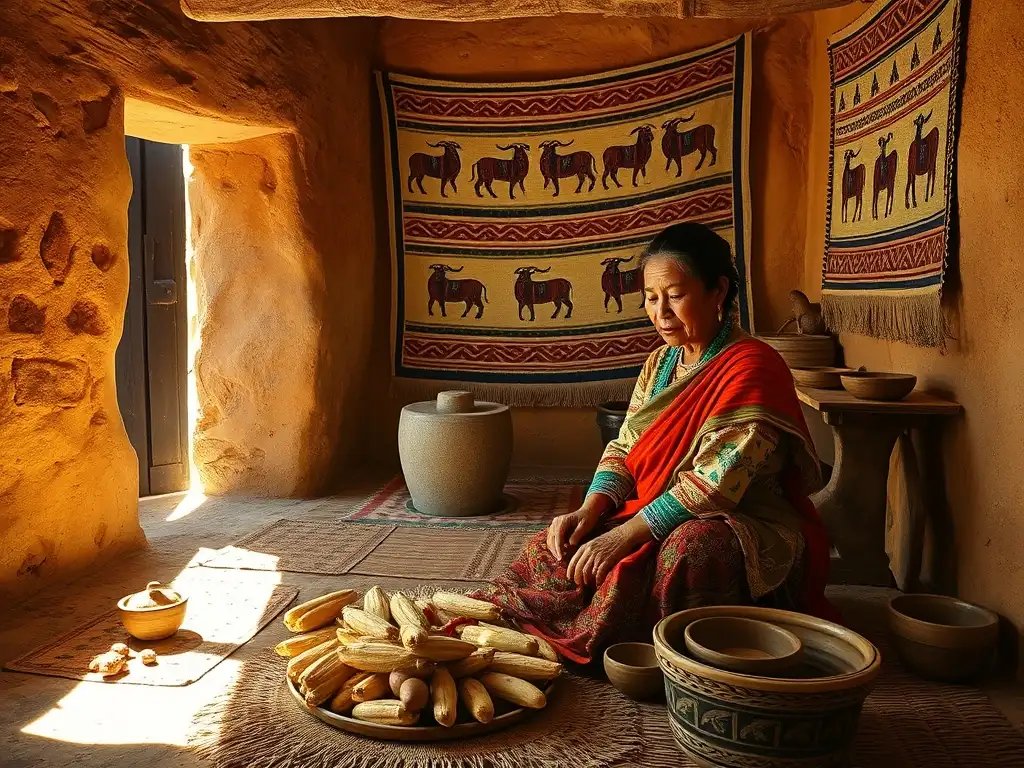
The Andes Mountains, with their diverse and challenging climates, presented ancient Andean societies with a significant hurdle: preserving their harvests for year-round sustenance. Successful food storage wasn't merely a matter of convenience; it was crucial for survival, particularly during the harsh winter months and periods of drought. Understanding the ingenuity of Andean food storage techniques requires acknowledging the profound influence of the environment on their development.
The techniques employed weren't uniform across all Andean cultures; instead, they were remarkably adapted to specific geographical locations and microclimates, reflecting a deep understanding of their surroundings and the resources available. The Andean people's mastery of Andean food storage techniques showcases a sophisticated relationship between human ingenuity and ecological adaptation. This section delves into the specific methods employed, highlighting their effectiveness and the underlying principles driving their creation.
The Significance of Climate and Geography in Andean Food Preservation
The Andes' varied topography—ranging from coastal deserts to high-altitude plains and lush cloud forests—dictated the types of crops cultivated and, consequently, the preservation methods needed. Coastal communities, facing arid conditions, relied heavily on techniques that minimized moisture loss, while highland populations, dealing with freezing temperatures, developed methods that utilized the cold to preserve their food. For instance, the high-altitude regions, characterized by intense sun during the day and freezing nights, were ideal for ch'uñu potato production—a process that leverages these extreme temperature fluctuations.
Conversely, the relatively warmer, more humid valleys might have necessitated different preservation techniques focusing on controlling moisture and preventing spoilage. The availability of specific materials also influenced methods. Certain regions rich in specific grasses or clay might have favored techniques using these resources for storage containers or wrapping.
The intricate interplay between climate, geography, and available resources shaped the diverse tapestry of Andean food preservation practices, demonstrating a remarkable level of adaptation and innovation. Further research is needed to fully understand the regional variations in these techniques, particularly in less-studied areas. [Specific regional data pending for detailed comparison]
Key Andean Food Storage Techniques: A Detailed Look
Andean societies employed a variety of ingenious techniques to preserve their harvests. These methods were not only effective but also often integrated seamlessly into their daily lives and social structures. Beyond simply preserving food, these techniques played crucial roles in economic planning, social organization, and religious practices.
- Drying: This fundamental method was widely used across diverse Andean communities. Fruits, vegetables, and meats were sun-dried, often sliced thinly to maximize surface area and speed up the process. The effectiveness of sun-drying depended heavily on the climate, with drier regions being more suitable.
- Freezing: At higher altitudes, the naturally freezing temperatures were utilized for preserving potatoes and other root vegetables. This natural refrigeration, combined with careful storage in underground cellars or specially designed structures, extended the shelf life of these staples.
- Storage in Granaries: These structures, often built from stone or adobe, were designed to protect food from pests, moisture, and extreme temperatures. Their construction varied across different regions, reflecting local building materials and climatic conditions. The placement of granaries—often elevated or built into hillsides—also played a role in maintaining optimal temperature and humidity.
- Fermentation: This process was used for preserving various foods, including maize and beans. Fermentation not only extended the shelf life of these foods but also altered their flavor and nutritional profile, making them more palatable and digestible. The specific fermentation techniques varied widely, showcasing the diverse culinary traditions across different Andean cultures.
Ch'uñu and Moraya: Freeze-Dried Potatoes for Long-Term Storage
Among the most remarkable Andean food storage techniques were the processes of creating ch'uñu and moraya, both freeze-dried potatoes. These methods cleverly harnessed the extreme temperature fluctuations characteristic of the high Andes.
- Ch'uñu: This involved harvesting potatoes, freezing them, and then subjecting them to repeated cycles of freezing and thawing. This process removed excess moisture, resulting in a lightweight, long-lasting product that could be stored for extended periods. The process was labor-intensive but yielded a food source crucial for survival during lean times. The ch'uñu could be rehydrated and cooked, retaining a significant portion of its nutritional value.
- Moraya: Similar to ch'uñu, moraya involved freeze-drying potatoes, but with a slightly different process. After freezing, the potatoes were often exposed to sunlight to further dehydrate them. This resulted in a slightly different texture and flavor profile compared to ch'uñu. The production of both ch'uñu and moraya demonstrates the Andean people's deep understanding of the relationship between climate, agricultural practices, and food preservation. The ability to store potatoes in this way was essential for the survival and prosperity of many Andean communities. These techniques represent a significant achievement in food technology, illustrating the advanced knowledge of ancient Andean societies. 🥔
The development and mastery of Andean food storage techniques were vital for the survival and flourishing of these ancient civilizations. They represent a remarkable blend of ingenuity, adaptation, and deep understanding of the Andean environment. The legacy of these techniques continues to inspire modern approaches to food preservation and highlights the importance of traditional knowledge in addressing contemporary challenges.
Charqui: Sun-Dried Meat as a Vital Food Resource
Charqui, also known as jerky, played a crucial role in the Andean food system, representing a remarkable method of food preservation tailored to the region's specific conditions. The process involved slicing thin strips of llama, alpaca, or vicuña meat, then drying it under the intense Andean sun. This technique not only extended the shelf life of the meat, preventing spoilage, but also significantly reduced its weight, making it easier to transport across challenging terrains. The high altitude and arid climate of the Andes provided ideal conditions for this method, ensuring efficient dehydration and minimizing the risk of bacterial contamination.
The sun-dried meat provided a concentrated source of protein, vital for sustaining Andean communities, especially during harsh winters or periods of scarcity. The production of charqui was deeply ingrained in the social fabric, with entire communities participating in the process, from the herding and butchering of animals to the meticulous drying and storage of the final product. This collaborative effort underscored the importance of charqui in ensuring food security and community resilience.
Variations in preparation methods existed across different Andean cultures, reflecting the diverse landscapes and culinary traditions of the region. For instance, certain communities might add spices or other flavorings to enhance the taste and extend the shelf life further. The enduring legacy of charqui highlights the ingenuity of Andean people in developing sustainable food preservation techniques adapted to their environment.
Colcas: Purpose-Built Storage Structures for Andean Communities
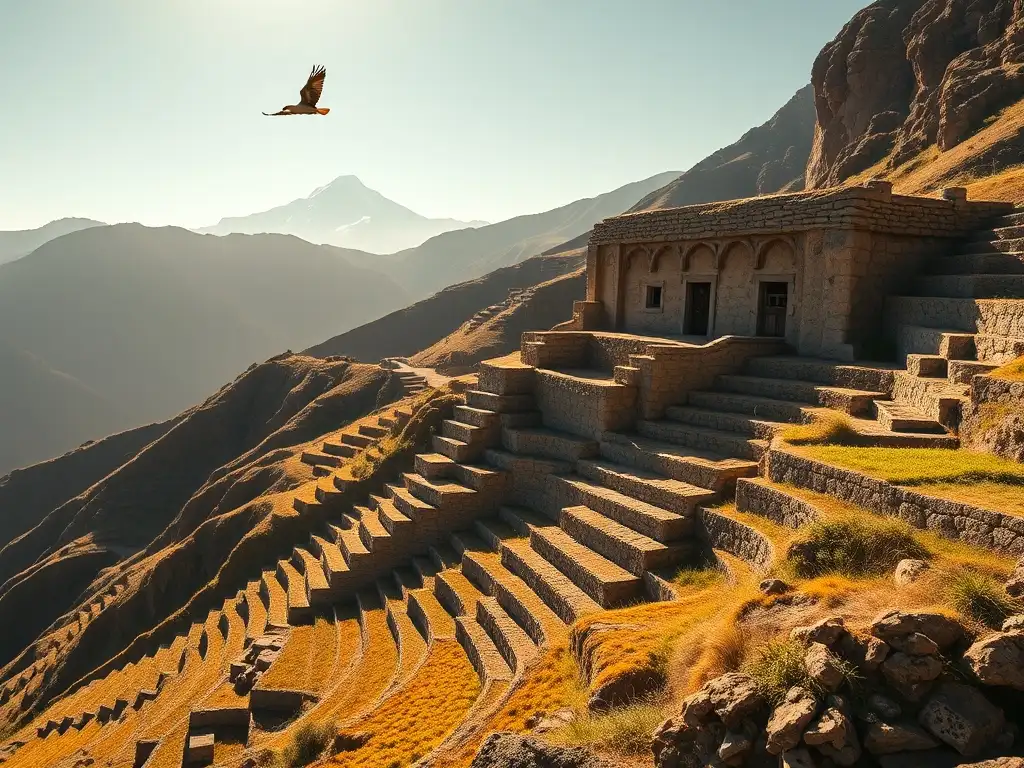
Colcas, the iconic stone structures built by several Andean cultures, represent a sophisticated approach to food storage. These structures, varying in size and complexity depending on the community's needs and resources, were strategically constructed to exploit the natural environment. Many colcas were built into hillsides, leveraging the earth's natural insulation to maintain stable temperatures and humidity levels within. This ingenious design helped to protect stored food from temperature fluctuations, pests, and moisture damage, extending its shelf life considerably.
The construction of colcas involved meticulous craftsmanship, with carefully fitted stones ensuring the structure's durability and resistance to the elements. Their design frequently incorporated ventilation systems, preventing the buildup of moisture and promoting proper air circulation to further minimize spoilage. The contents of colcas varied depending on the season and the community's agricultural output, but often included maize, potatoes, beans, and other staples.
The ownership and control of colcas often reflected the social hierarchy within the community, with larger and more elaborate structures belonging to elites or community leaders. The existence of colcas demonstrates the Andean civilizations' advanced understanding of engineering and their commitment to long-term food security, reflecting a sophisticated approach to resource management. Archaeological evidence suggests that colcas were not simply storage structures but also played a symbolic role within Andean societies, potentially representing power, status, and community wealth.
Underground Storage: Utilizing Earth's Natural Insulation
Beyond the visible colcas, many Andean communities employed a more rudimentary, yet equally effective, method of underground storage. By utilizing natural caves or constructing subterranean pits, they took advantage of the earth's consistent temperature and humidity to preserve their harvest. This method was particularly useful for storing crops sensitive to temperature fluctuations and moisture. Potatoes, a staple crop of the Andes, were ideally suited for this type of storage, as the cool, dark environment slowed down their respiration and prevented sprouting.
The process involved carefully selecting a suitable location, often a dry, well-drained area, then digging a pit of appropriate size. The harvested crops were then carefully placed inside, often layered with dry materials like straw or leaves to absorb excess moisture and protect the produce from damage. The pit would then be covered and sealed to prevent access by animals or moisture from rain.
This simple yet effective technique, often combined with other preservation methods like drying or freezing at high altitudes, ensured that a significant portion of the harvest could be preserved for consumption throughout the year. The widespread use of underground storage across various Andean cultures underscores its practicality and effectiveness as a sustainable food preservation strategy, perfectly adapted to the challenges of the Andean environment. The ingenuity of these techniques, often passed down through generations of oral tradition, demonstrates the close relationship between Andean communities and their environment.
Fermentation Practices: Transforming and Preserving Andean Staples
Fermentation, a cornerstone of Andean food preservation, wasn't merely a method of extending shelf life; it was a sophisticated technique that enhanced nutritional value and created entirely new culinary experiences. This process, passed down through generations, involved harnessing naturally occurring microorganisms to transform staples like maize, potatoes, and beans into palatable and long-lasting food sources. The specific techniques varied across different Andean cultures and ecological zones, reflecting the ingenuity and adaptability of these societies.
For example, the fermentation of maize yielded chicha, a fermented beverage integral to Andean social and religious life. Different varieties of chicha existed, each with its unique fermentation process and resulting flavor profile. Some chicha varieties were produced through a simple process of chewing the maize to activate enzymes, while others involved more complex methods involving the use of specific fermentation vessels and starter cultures.
The resulting drink wasn't just a source of hydration and sustenance; it held significant cultural meaning, playing a key role in rituals, ceremonies, and social gatherings. The production and consumption of chicha served as a powerful social glue, strengthening community bonds and reaffirming cultural identity.
Potatoes, the Andean staple, also benefited greatly from fermentation. Certain potato varieties, particularly those less palatable in their raw state, were fermented to improve their taste and digestibility. This process often involved burying potatoes in specially prepared pits or storing them in clay pots.
The controlled environment within these storage methods allowed for the development of beneficial microorganisms that transformed the potato's starch and other components. The resulting fermented potatoes were not only more flavorful but also easier to digest, offering increased nutritional value and reducing the risk of spoilage. Specific fermentation techniques varied regionally, with each community refining their methods over centuries.
Even beans, a vital protein source, were subjected to various fermentation processes. These methods not only extended the shelf life of the beans but also improved their nutritional content and digestibility. While the exact methods often varied depending on the bean variety and local conditions, the principle remained constant: to harness the power of microorganisms to transform the beans into a more palatable and longer-lasting food source.
This often involved techniques like soaking the beans in water for extended periods, allowing for the development of beneficial bacteria that enhanced both the flavor and the nutritional value of the final product. Fermentation, therefore, played a crucial role in ensuring food security and dietary diversity in Andean societies. These techniques represent a sophisticated understanding of microbiology and food science, far exceeding the simplistic notion of mere preservation.
The Societal and Economic Implications of Andean Food Storage
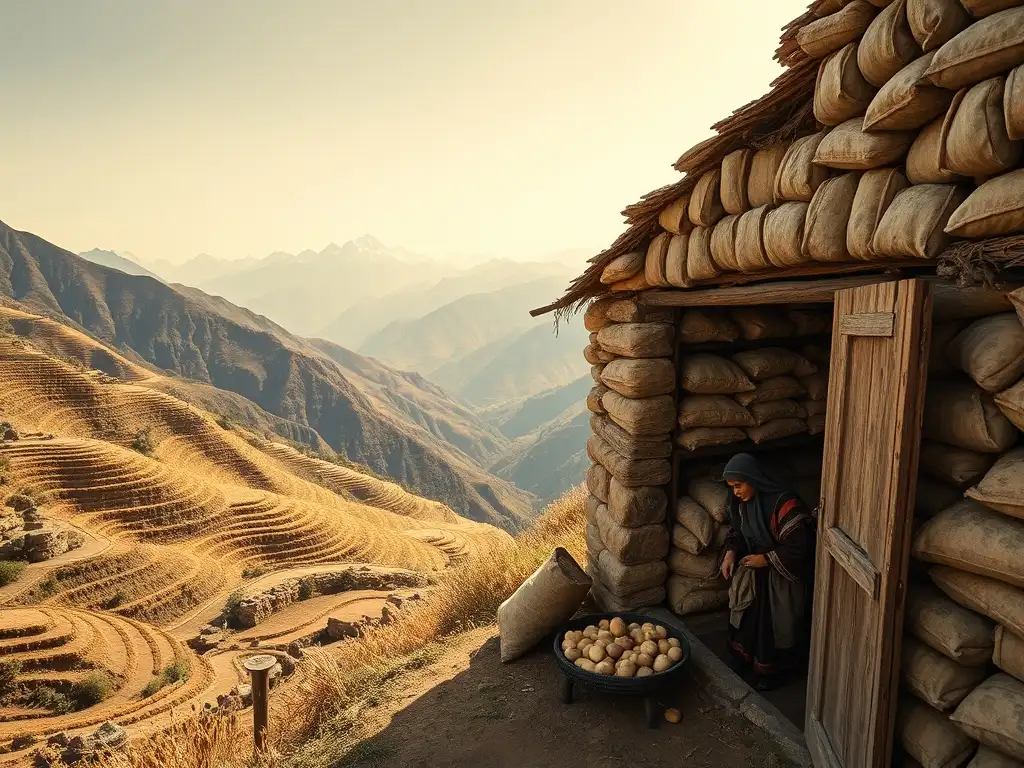
This section delves into the profound societal and economic ramifications of food storage practices within Andean civilizations. Understanding these implications reveals a complex interplay between agricultural production, social stratification, and economic exchange, far exceeding a simple focus on sustenance. The sophisticated techniques employed weren't merely about preventing spoilage; they were integral to the very fabric of Andean society. The efficient storage of surplus agricultural products had far-reaching consequences shaping everything from daily life to political power structures. The impact of effective Andean food storage techniques reverberated throughout their societies, leaving an indelible mark on their history.
Food Security and the Andean Way of Life
Food security, the state of having reliable access to a sufficient quantity of affordable, nutritious food, was paramount in the challenging Andean environment. Harsh climates, unpredictable weather patterns, and geographically varied landscapes demanded ingenious solutions for preserving food. The Andean food storage techniques, therefore, were not just about preserving crops; they were crucial for survival. Effective storage ensured the continuity of life, mitigating the risks of famine and ensuring the population’s well-being, even during lean seasons.
This was especially important in high-altitude regions where growing seasons were short and unpredictable. The development and refinement of diverse storage methods, from underground cellars to raised granaries, directly contributed to the stability and resilience of Andean communities. This allowed for population growth and the development of complex social structures. The success of these techniques is evidenced by the longevity and flourishing of Andean societies for centuries.
Storage as a Symbol of Wealth and Power in Andean Societies
Beyond mere survival, the capacity for food storage became a potent symbol of wealth and power within Andean societies. The amount of stored food directly reflected a community's or individual's economic prosperity and social standing. Large granaries overflowing with maize, potatoes, and other staples were a clear demonstration of agricultural productivity and economic success. This surplus was not just a reserve for times of scarcity; it was a tangible display of power, influencing social hierarchies and political dynamics.
Elites, often possessing the largest storage facilities, controlled the distribution of food, consolidating their authority and influence within their communities. Archaeological evidence reveals elaborate storage structures associated with elite residences, further supporting this interpretation. The control over food resources was a crucial element in maintaining social order and political stability. Think of the intricate network of warehouses and storage facilities of the Inca empire; a testament to this principle.
The Role of Food Storage in Andean Trade and Exchange Networks
Andean food storage techniques also played a pivotal role in facilitating trade and exchange networks across the vast Andean region. The ability to preserve surplus agricultural products allowed for the efficient transportation and exchange of goods over long distances. This interconnectedness fostered economic growth and cultural exchange between different Andean communities.
Specialized crops from various regions could be stored and then traded, creating a complex web of economic interdependence. The Inca empire, for instance, relied heavily on efficient storage systems to manage the vast quantities of goods collected as tribute and distributed throughout the empire, solidifying its political and economic control. This intricate system of food storage and distribution demonstrates the crucial role it played in the empire's success and longevity, ultimately shaping the economic landscape of the Andean world.
Analyzing the distribution patterns of stored goods provides valuable insights into the complex dynamics of Andean trade and exchange. The sheer scale of these operations further underscores the significance of Andean food storage techniques in the larger context of regional economic integration.
Community Cooperation in Andean Food Management
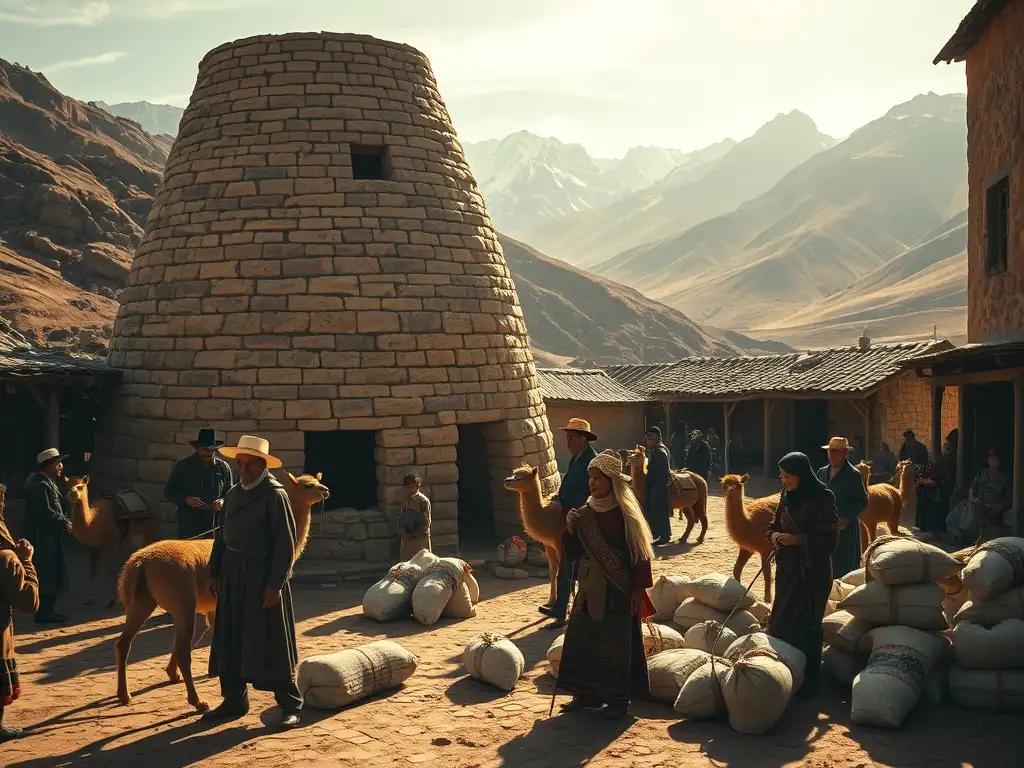
The success of Andean food storage wasn't solely reliant on individual efforts; it was deeply intertwined with intricate systems of community cooperation. The challenges posed by the Andean environment – unpredictable weather patterns, varying altitudes impacting crop yields, and the need for efficient resource management – necessitated collaborative strategies. This wasn't simply a matter of sharing surplus; it was a fundamental aspect of social organization and survival. Communities often worked together in ayllus, extended family groups that shared land, labor, and resources, including stored food.
This cooperative model ensured that even during lean times, all members of the ayllu had access to essential provisions. The system fostered a sense of mutual responsibility and resilience, vital for navigating periods of scarcity. Evidence suggests that the distribution of stored food within the ayllu wasn't always equal; elders, religious leaders, and those contributing significantly to communal efforts likely received preferential treatment. However, the overall system minimized risk for individual families and the community as a whole, highlighting the importance of collective action in Andean food security.
This shared responsibility extended beyond the ayllu; inter-community exchange of goods and services, including stored food, further strengthened regional networks and ensured survival during widespread crop failures. This complex interplay of social structures and resource management exemplifies the sophisticated understanding of food security prevalent in Andean societies. The system wasn't static; it adapted to changing circumstances, demonstrating a remarkable level of flexibility and resilience. For example, in times of exceptional hardship, larger regional networks might be activated to redistribute resources, showcasing the remarkable adaptability of Andean food management systems.
Andean food storage systems weren't simply about survival; they played a crucial role in shaping social hierarchies and power dynamics. Control over stored food resources, particularly surplus, was a significant source of power and influence. Elites, whether religious leaders or political authorities, often held substantial stores of food, using them to consolidate their power and maintain control. This wasn't necessarily exploitative; the storage and redistribution of food by elites could also serve a vital function in times of crisis, ensuring the survival of the population and reinforcing their authority.
However, the unequal distribution of stored food resources undoubtedly contributed to social stratification. Archaeological evidence suggests that larger, more elaborate storage facilities were associated with elite residences or ceremonial centers, reflecting their privileged access to surplus food. The control of food storage also impacted social rituals and ceremonies. The distribution of food during festivals and religious events reinforced social bonds and reaffirmed the authority of those controlling the resources.
The quantity and quality of food distributed could further signify social status and power. Understanding the link between food storage and social stratification requires a nuanced approach. While the unequal distribution of resources clearly contributed to existing social hierarchies, the role of elites in managing and redistributing food during times of scarcity also served an important social function, highlighting the complex relationship between food storage, power, and social stability in Andean societies. Further research is needed to fully understand the complexities of this relationship in different Andean societies and across varying time periods.
Economic Implications of Efficient Food Storage Techniques
Efficient Andean food storage techniques had profound economic consequences, impacting both individual households and the wider society. Reduced post-harvest losses translated directly into increased food availability, boosting household food security and reducing the risk of famine. This enhanced food security had a ripple effect, allowing individuals to dedicate more time and energy to other productive activities, such as craft production, textile weaving, or specialized labor. The surplus generated through efficient storage could be traded or used as a form of wealth, facilitating economic exchange within and between communities.
The development and improvement of storage technologies—from simple pits to complex storehouses—represented a continuous investment in economic productivity. This investment yielded significant returns, fostering economic growth and social stability. Moreover, the control and distribution of stored food played a crucial role in the economic organization of Andean societies. Elites often controlled large stores of food, using them to fund public works, support religious activities, or maintain their power.
This centralized control, while potentially leading to inequalities, also allowed for the mobilization of resources during times of crisis or for large-scale projects that benefited the community as a whole. The economic impact of Andean food storage techniques is further evidenced by the sophistication of their agricultural practices, indicating a deep understanding of the relationship between agricultural production, storage capacity, and economic prosperity. The interplay between these factors is a key element in understanding the economic success and stability of Andean civilizations.
Andean Food Storage: A Legacy of Ingenuity
The Andes Mountains, a spine of towering peaks and diverse ecosystems, presented unique challenges and opportunities for the development of sophisticated food storage techniques. Andean food storage techniques weren't merely about preserving food; they were integral to the survival and prosperity of these remarkable civilizations. The ingenuity displayed in their methods reflects a deep understanding of their environment and a remarkable capacity for adaptation. From the arid coastal regions to the high-altitude valleys, Andean communities developed a diverse range of storage solutions tailored to specific climates and agricultural products.
This wasn't a monolithic system; rather, it was a dynamic interplay of practices that evolved over millennia, responding to climatic shifts, population growth, and technological advancements. Understanding these techniques provides a fascinating glimpse into the resourcefulness and resilience of Andean societies. The effectiveness of these methods is evident in the continuity of many practices, even in contemporary Andean communities.
Continuity and Change in Andean Preservation Practices
Andean preservation practices demonstrate remarkable continuity across centuries. Techniques like chullpas (stone towers used for food storage), qollqas (subterranean storage structures), and drying methods using sun and wind remain relevant today, albeit with some modifications. While the scale and sophistication of storage facilities might have varied across different Andean cultures – from the intricate qollqas of the Wari to the simpler storage structures of smaller communities – the fundamental principles remained consistent.
The use of freeze-drying, a natural process facilitated by high altitude and low humidity, was crucial for preserving potatoes, quinoa, and other crops. This method, still employed today, extends the shelf-life of these staples significantly. Furthermore, the strategic use of natural preservatives, such as salt and herbs, prevented spoilage and added flavor.
The precise combinations and applications of these preservatives varied based on the specific food item and local traditions. For instance, the Moche culture is known for its advanced knowledge of fermentation, employing it to preserve fish and other protein sources. This demonstrates the nuanced approach to preservation tailored to specific regional resources and culinary practices.
Traditional methods continue to be adapted in modern contexts. For example, while large-scale commercial storage facilities now exist, many Andean communities still utilize traditional storage techniques alongside modern ones. This blend represents a pragmatic approach that values the efficiency of traditional methods alongside the benefits of modern technology. The ongoing use of traditional techniques underscores their effectiveness and resilience, highlighting the enduring wisdom embedded within Andean food storage practices. This highlights the adaptability of these ancient techniques and their continued relevance in modern agricultural practices.
Modern Applications of Traditional Andean Food Storage Knowledge
The knowledge embedded within Andean food storage techniques holds significant potential for modern applications. The principles of natural preservation, particularly freeze-drying and the use of natural preservatives, offer sustainable alternatives to energy-intensive modern methods. Research into these traditional methods can inform the development of environmentally friendly and cost-effective preservation techniques applicable to a broader range of food products.
For example, studying the effectiveness of different types of qollqas in regulating temperature and humidity could inspire the design of improved storage facilities for both small-scale farmers and large-scale agricultural operations. Understanding the precise composition of natural preservatives used by ancient Andean cultures could lead to the development of new, natural food preservatives, reducing our reliance on synthetic chemicals. Moreover, the insights gained from analyzing the design and construction of ancient storage structures can inform the development of more sustainable and energy-efficient storage solutions for modern agricultural practices.
The study of Andean food storage techniques offers a valuable opportunity to learn from the past and improve food security in the present. This research can be particularly beneficial in addressing food waste and promoting sustainable agricultural practices.
The Enduring Relevance of Andean Food Storage Wisdom
The study of Andean food storage techniques offers more than just historical insight; it provides valuable lessons for contemporary food security challenges. In a world grappling with issues of food waste, climate change, and the need for sustainable agriculture, the ingenuity of Andean civilizations provides a compelling example of resourcefulness and adaptation. Their deep understanding of their environment and their ability to develop effective preservation methods, even with limited technology, offer valuable inspiration for modern approaches to food storage and preservation.
The enduring relevance of Andean food storage wisdom lies in its holistic approach to food production and preservation. It wasn't simply about storing food; it was about managing resources responsibly, adapting to environmental challenges, and ensuring community resilience. This integrated approach offers a powerful model for sustainable agriculture and food security practices today.
The continued relevance of these techniques highlights the need for a more integrated and sustainable approach to food systems globally, learning from the wisdom of past civilizations. The integration of traditional knowledge with modern technology offers a promising path towards a more resilient and sustainable future for food production and preservation. The study of Andean food storage techniques provides a framework for a more sustainable and equitable food system in the future.
Conclusion: The Enduring Legacy of Andean Food Storage Practices
Andean food storage techniques weren't merely practical solutions; they were integral to the social, economic, and spiritual fabric of these societies. The ingenuity displayed in adapting to diverse climates and terrains showcases a deep understanding of natural processes and a remarkable capacity for innovation. From the simple yet effective use of subterranean storage to the sophisticated design of qollqas, these methods ensured the survival and prosperity of Andean communities for centuries. The legacy of these practices extends beyond the purely practical; they represent a powerful testament to human adaptability and resourcefulness in the face of challenging environmental conditions.
Understanding these techniques offers valuable insights into the complexity and resilience of Andean civilizations, highlighting their remarkable ability to manage resources and sustain their populations. The enduring impact is visible even today, with some traditional methods still employed in modern Andean communities, demonstrating a continuity of knowledge and practice across millennia. Studying Andean food storage isn't just about understanding the past; it's about appreciating a cultural heritage that continues to shape the present and offers valuable lessons for sustainable food systems in the future. The sophisticated understanding and application of Andean food storage techniques highlight a deep connection between people and their environment, a crucial element for successful long-term resource management.
This legacy should inspire further research and a greater appreciation for the ingenuity and resourcefulness of Andean cultures. The continued study and preservation of these techniques are essential for ensuring food security and cultural heritage in the Andes today and for generations to come. Indeed, the legacy of Andean food storage practices serves as a potent reminder of the crucial link between human ingenuity, environmental adaptation, and sustainable living.
Frequently Asked Questions
What were the primary methods of food storage used by Andean civilizations?
Andean civilizations employed a variety of techniques, including air drying, sun drying, and freeze-drying for preservation. They also utilized storage pits and granaries to protect food from the elements and pests.
How did the environment influence Andean food storage practices?
The diverse geography of the Andes, ranging from arid coastal deserts to high-altitude mountains, dictated different storage methods. Altitude and climate played crucial roles in determining the most effective preservation techniques.
What role did food storage play beyond simple preservation?
Food storage was vital for social organization and power. Access to stored food provided economic stability and influenced social hierarchies within Andean societies. It also played a key role in ritual and religious practices.
Which Andean civilizations are most known for their advanced food storage systems?
The Inca are particularly well-known for their sophisticated storage systems, including their extensive network of qollqas (storehouses). However, other civilizations like the Moche and Nazca also developed impressive storage techniques adapted to their environments.
What types of food were commonly stored by Andean cultures?
Andean civilizations stored a wide variety of foods, including potatoes, corn, beans, quinoa, dried meats, and fruits. The specific foods stored varied depending on the region and its climate.
Final Reflection: Harvesting the Legacy: Food, Culture, and the Future of Andean Storage
The ingenious food storage techniques of Andean societies remain profoundly relevant today, offering vital lessons in sustainability and resilience in the face of climate change and global food insecurity. These ancient practices, far from being relics of the past, represent a powerful model for addressing modern challenges to food security and resource management. Their ingenuity and adaptability offer a compelling counterpoint to the often wasteful and unsustainable practices of modern industrialized agriculture.
The enduring impact of Andean food storage methods extends far beyond the practical; they are deeply intertwined with the cultural identity and social fabric of the region. These techniques are not merely about preserving food; they are about preserving knowledge, traditions, and a connection to the land. They represent a holistic approach to resource management, reflecting a deep understanding of the environment and a commitment to intergenerational sustainability. The earth provides enough to satisfy every man's needs but not every man's greed.
- Mahatma Gandhi. This quote perfectly encapsulates the ethos behind many Andean food storage practices, highlighting the importance of responsible consumption and resource management.
Consider the ingenuity of these methods, the wisdom embedded within them, and the enduring relevance to our own time. You too can cultivate a deeper appreciation for sustainable practices by exploring the principles of mindful consumption and resource management. Let the legacy of Andean food storage inspire you to find creative and responsible solutions to the challenges of food security in your own life, community, and beyond. Embrace the wisdom of the past to build a more sustainable and equitable future for all.
Unleash the Rich Heritage of Andean Food Storage!
Thank you for exploring the fascinating world of food storage in Andean societies! You've discovered how this crucial practice shaped culture, community, and sustainability. Now, let's put your newfound knowledge into action!
Here are some ways you can make a difference:
- Learn traditional Andean food preservation techniques. Participate in a local workshop to master methods like pickling, drying, or fermenting.
- Share your passion for Andean cuisine. Host a dinner party featuring dishes inspired by Andean traditions, introducing friends and family to this rich culinary heritage.
- Support sustainable food practices. Connect with a local organization dedicated to sustainable food systems and explore how traditional Andean methods inform modern approaches.
What aspect of Andean food storage most captivated you, and how will you integrate it into your own cooking or preservation methods?