
The Artistic Transformation: How Spanish Art Influenced Andean Creative Expression

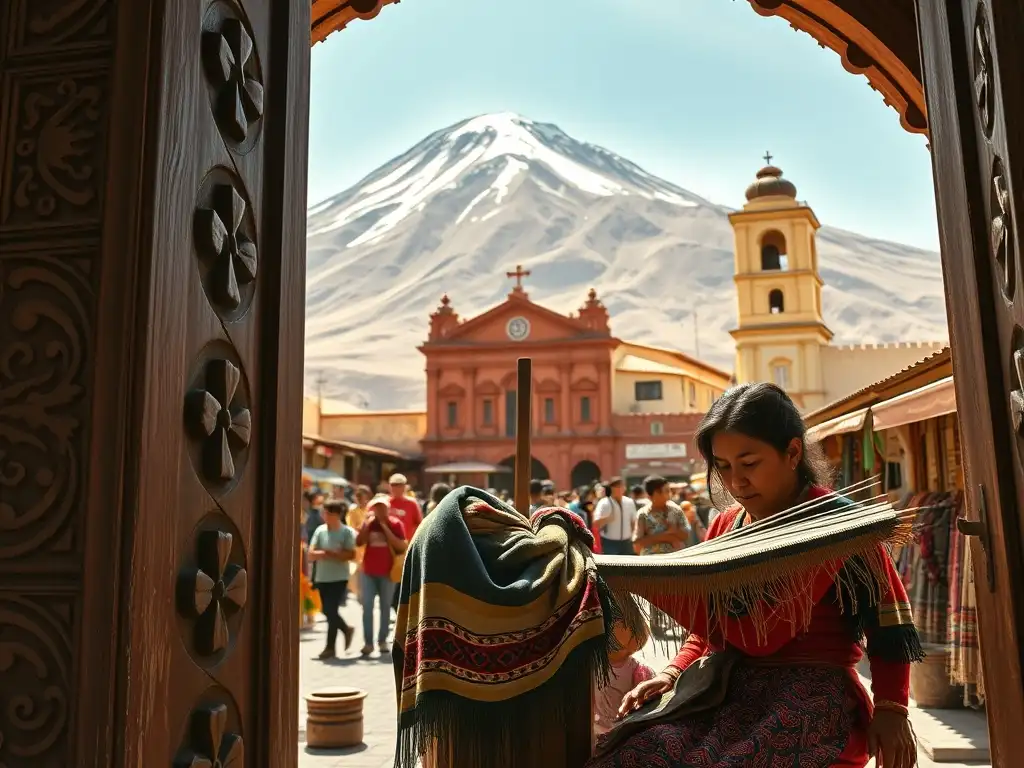
Step into a world lost to time, yet echoing through the vibrant threads of Andean artistry. For centuries, the Incas, Moche, Nazca, and Tiahuanaco shaped a unique cultural landscape. But what happened when two worlds collided? Discover how the Spanish Conquest dramatically altered the course of Andean creative expression, exploring the fascinating fusion of indigenous traditions and Spanish influences in our main article on Andean art influenced by Spanish. Prepare to be captivated by a story of cultural exchange and artistic transformation—a narrative far more complex than you might imagine.
The arrival of the Spanish in the Andes marked a profound turning point, not only in the political and social landscape but also in the vibrant artistic traditions of the region. This article explores the complex interplay between pre-Columbian Andean art and the artistic styles introduced by the Spanish conquistadors, examining how this encounter led to a significant transformation in Andean creative expression.
We will delve into the initial clash of cultures, the subsequent artistic exchange, and the lasting legacy of this fusion, demonstrating how Andean art, while profoundly impacted, retained its unique identity and continued to evolve in fascinating and unexpected ways. This exploration will reveal the enduring influence of Spanish art on Andean creative expression, highlighting the syncretism that shaped the artistic landscape of the region for centuries to come.
Understanding this process is crucial to appreciating the full richness and complexity of Andean art as we know it today. The keyword "Andean art influenced by Spanish" will be explored through detailed examples and analysis.
Introduction: Andean Art Before the Spanish Arrival
Before the Spanish conquest, Andean art flourished with a distinct and sophisticated aesthetic. For centuries, diverse cultures like the Inca, Moche, Nazca, and Tiahuanaco developed unique artistic styles reflecting their respective cosmologies, social structures, and technological advancements. Textiles, ceramics, metalwork, and monumental architecture all displayed remarkable craftsmanship and symbolic depth.
Inca art, for example, is characterized by its intricate gold and silver work, while Moche pottery is renowned for its realistic depictions of daily life and mythical beings. Nazca lines, a vast network of geoglyphs etched into the desert landscape, remain a testament to the advanced astronomical knowledge and engineering skills of this civilization. Tiahuanaco art, with its monumental stone structures and intricate carvings, reflects a powerful and sophisticated society.
This rich tapestry of pre-Columbian artistic traditions provided the foundation upon which the subsequent artistic transformation would unfold. Understanding the distinct characteristics of these pre-conquest styles is essential to appreciate the impact of the Spanish influence.
The Initial Encounter: Cultural Clash and Artistic Exchange
The arrival of the Spanish in the 16th century initiated a dramatic cultural clash, significantly impacting Andean artistic expression. The introduction of European artistic techniques, materials, and religious iconography profoundly altered the existing artistic landscape. While the Spanish initially sought to suppress indigenous art forms, viewing them as pagan and idolatrous, the reality was far more nuanced.
A complex process of cultural exchange and adaptation ensued, leading to a unique syncretism. Indigenous artisans began to incorporate Spanish artistic elements into their work, resulting in hybrid forms that blended traditional Andean styles with European influences. This is clearly seen in the emergence of religious art that depicts Christian saints and narratives but incorporates traditional Andean motifs, styles, and techniques.
For instance, [Specific examples of hybrid art forms pending]. This process of artistic adaptation was not merely a passive acceptance of Spanish influence; rather, it was an active negotiation and reinterpretation of imposed artistic conventions within an existing cultural framework. The resulting art forms reflect a dynamic interplay between indigenous traditions and the imposed European aesthetic, ultimately shaping a new and distinct artistic identity.
- Introduction: Andean Art Before the Spanish Arrival
- The Initial Encounter: Cultural Clash and Artistic Exchange
- What is the main focus of this article?
- How did Spanish art influence Andean artistic styles?
- Which Andean civilizations are discussed in relation to Spanish artistic influence?
- What specific artistic forms were affected by the Spanish influence?
- Where can I find more information about Andean art before and after the Spanish conquest?
Spanish Artistic Styles Introduced to the Andes
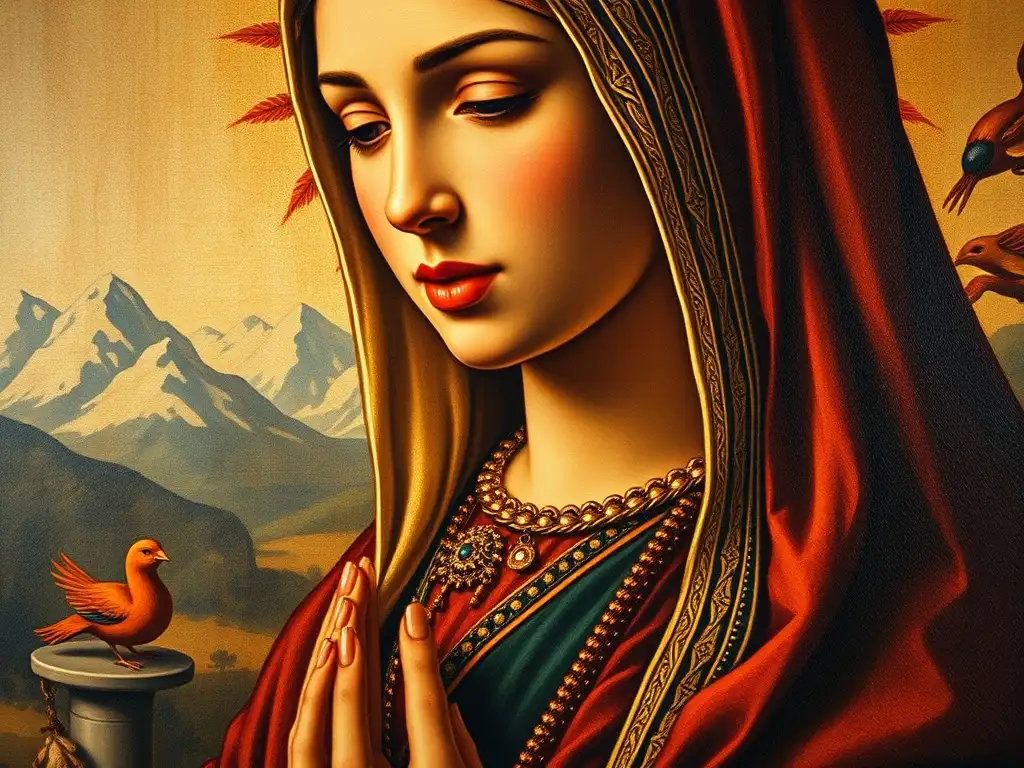
The arrival of the Spanish in the Andes dramatically altered the artistic landscape, introducing new styles, techniques, and iconography that profoundly impacted existing Andean creative expression. While pre-Columbian Andean art possessed its unique characteristics, the Spanish conquest led to a fascinating fusion, a syncretism where indigenous aesthetics interacted with European artistic traditions, resulting in a vibrant and complex new artistic vocabulary. This section will delve into the specific Spanish artistic styles that were introduced and how they influenced Andean artistic production.
Understanding this artistic exchange is crucial to appreciating the full richness and complexity of Andean art after the conquest, a period often overlooked in favor of the pre-Columbian era. The term "Andean art influenced by Spanish" only begins to scratch the surface of this intricate cultural interaction.
Baroque Influences on Andean Artistic Production
Baroque art, with its dramatic use of light and shadow, intense emotionality, and ornate detail, found fertile ground in the Andes. The Spanish, keen to establish their religious and political dominance, utilized Baroque style to create powerful religious imagery intended to convert and impress the indigenous population. Churches and cathedrals became showcases for this style, featuring elaborate altars, sculpted figures, and richly painted canvases.
However, the adaptation of Baroque wasn't a simple imitation. Andean artisans incorporated pre-existing artistic elements and techniques, resulting in a unique hybrid style. For example, while the overall composition might adhere to Baroque principles, the depiction of figures or the use of certain colors might reflect indigenous artistic traditions.
This is evident in the numerous retablos (altarpiece paintings) found throughout the Andes, which often blend European religious iconography with indigenous stylistic elements, such as the depiction of Andean landscapes or the use of vibrant, locally sourced pigments. The resulting works are a testament to the resilience and adaptability of Andean artistic traditions in the face of profound cultural change. Analyzing these pieces reveals a fascinating dialogue between two distinct artistic worlds.
The Impact of Renaissance Art on Andean Crafts
While Baroque's dramatic flair dominated religious art, the influence of Renaissance art was more subtle yet equally pervasive, particularly in the realm of crafts. The Renaissance emphasis on realism, perspective, and classical forms found expression in various Andean crafts, including textiles, ceramics, and metalwork. The intricate details and realistic depictions found in some Andean textiles, for instance, show evidence of this influence.
While pre-Columbian textiles were already highly sophisticated, the introduction of new dyes and weaving techniques from Europe led to even greater complexity and refinement. Similarly, the production of silver and gold objects, already a significant aspect of Andean art, was further enhanced by the introduction of new techniques and designs from Europe.
The level of detail and craftsmanship in these objects often surpasses what was previously seen in the pre-Columbian era, demonstrating the ability of Andean artisans to master and adapt European techniques to their own creative ends. The fusion of Renaissance ideals with indigenous skills produced a distinct and enduring artistic legacy.
Religious Iconography: New Forms and Meanings
The introduction of Christian religious iconography drastically altered the symbolic landscape of Andean art. Pre-Columbian art was rich in its own system of symbols and meanings, often related to mythology, cosmology, and ancestor veneration. The arrival of the Spanish brought a new set of religious figures and narratives: Christ, the Virgin Mary, saints, and biblical scenes.
However, the integration wasn't straightforward. Andean artisans often adapted these new religious figures into their existing artistic frameworks, imbuing them with indigenous symbolism and interpretations. For instance, the Virgin Mary might be depicted wearing traditional Andean clothing or holding indigenous symbols, reflecting a process of cultural negotiation and adaptation.
This syncretism is vividly evident in the numerous depictions of the Virgin Mary as the Virgen de la Candelaria in Peru, a powerful example of how Andean communities incorporated Catholic imagery into their own cultural narratives. Studying these images reveals a fascinating process of cultural hybridization, where new religious meanings were interwoven with pre-existing Andean beliefs and artistic traditions, creating a unique and enduring religious art form. The resulting artwork provides a compelling window into the complex cultural exchange that shaped the Andean world after the Spanish conquest.
Andean Responses and Adaptations: A Fusion of Styles
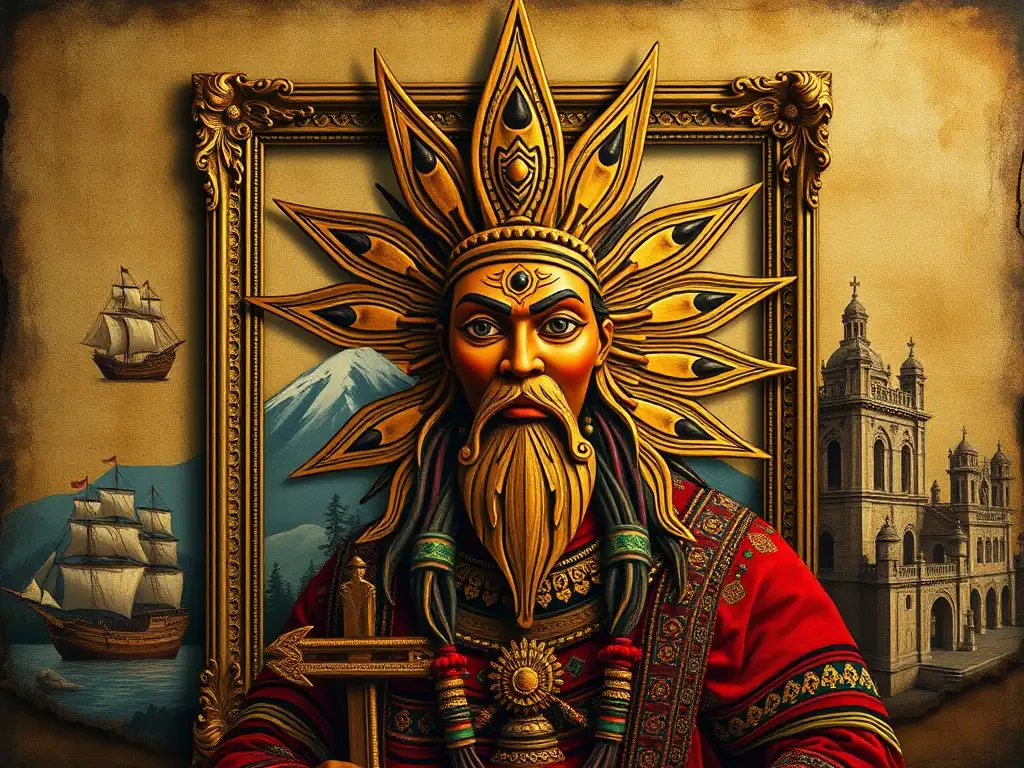
The arrival of the Spanish in the Andes dramatically altered the artistic landscape, yet Andean peoples were far from passive recipients of European aesthetics. Instead, a complex process of adaptation, negotiation, and even resistance unfolded, resulting in a fascinating fusion of styles. While Spanish artistic techniques and motifs were introduced, Andean artists ingeniously integrated these new elements with pre-existing traditions, creating a unique artistic expression that reflects both cultural exchange and the enduring strength of indigenous artistic identities.
This wasn't simply imitation; it was a dynamic interplay, a creative dialogue between two distinct artistic worlds. The resulting art forms are a testament to the adaptability and resilience of Andean cultures in the face of profound societal change. Understanding this fusion requires examining how Andean artists interpreted and reinterpreted Spanish techniques and how this led to the emergence of wholly new artistic styles.
Andean Artists' Interpretation of Spanish Techniques
Andean artists, renowned for their mastery of textiles, ceramics, and metalwork, quickly absorbed aspects of Spanish artistic techniques. For example, the introduction of oil painting, previously unknown in the Andes, opened up new possibilities for representing detail and realism. However, Andean artists didn't simply replicate European styles.
They adapted oil painting to their own aesthetic sensibilities, often incorporating pre-Columbian motifs and color palettes into their works. We see this in the use of vibrant, earthy tones – characteristic of Andean art – even within the framework of European-style religious paintings. The Spanish introduced new tools as well, including different types of brushes and pigments, which Andean artisans integrated into their existing practices.
This process wasn't a wholesale replacement but rather a selective appropriation, a careful blending of the familiar and the new. The resulting art often showcases a fascinating juxtaposition: the realistic depiction of figures in the style of European religious painting, yet rendered with the distinctive Andean use of color and symbolic imagery. This creative adaptation highlights the agency of Andean artists in shaping the artistic landscape of the colonial era.
The Emergence of a Unique Andean-Spanish Artistic Style
The interaction between Spanish and Andean artistic traditions didn't simply result in a blend of existing styles; it spurred the creation of entirely new artistic forms. This unique Andean-Spanish style emerged from a process of cultural exchange and adaptation, characterized by a synthesis of techniques, motifs, and aesthetic principles. For instance, the depiction of religious scenes frequently incorporated Andean iconography and stylistic elements, creating a hybrid artistic language that resonated with both the indigenous and Spanish populations.
Think of the integration of Andean deities or landscape features into otherwise European-style religious paintings. This fusion wasn't always seamless; sometimes, it resulted in a fascinating tension between the two artistic traditions, a visual reflection of the complex socio-political dynamics of the colonial period.
This unique style isn't just a historical artifact; it represents a powerful example of cultural resilience and the ability of artistic expression to bridge cultural divides. The resulting art forms are a powerful testament to the creative potential born from cultural contact and adaptation.
Case Study: The Cusco School of Painting
The Cusco School of Painting provides a compelling example of this unique Andean-Spanish artistic style. Flourishing in the city of Cusco, the heart of the Inca Empire, this school of painting blended European techniques with indigenous artistic traditions, creating a distinctly Andean interpretation of religious art. Cusco School paintings often feature a blend of realistic European-style figures alongside vibrant Andean landscapes and symbolic elements.
The use of color, for example, often leans towards the bright, earthy tones characteristic of pre-Columbian art, even when depicting biblical scenes. The artists of the Cusco School were incredibly skilled in adapting European techniques to their own creative vision, demonstrating a remarkable level of artistic innovation and cultural synthesis. Their work serves as a powerful illustration of how Andean artists actively shaped the artistic landscape of the colonial era, leaving behind a legacy that continues to fascinate and inspire today.
The skillful integration of Spanish techniques with existing Andean artistic traditions makes the Cusco School a prime example of the "Andean art influenced by Spanish" phenomenon. Further research into the specific techniques and stylistic choices employed by the artists of this school would provide a richer understanding of this fascinating artistic fusion.
Materials and Techniques: Changes in Andean Art Production
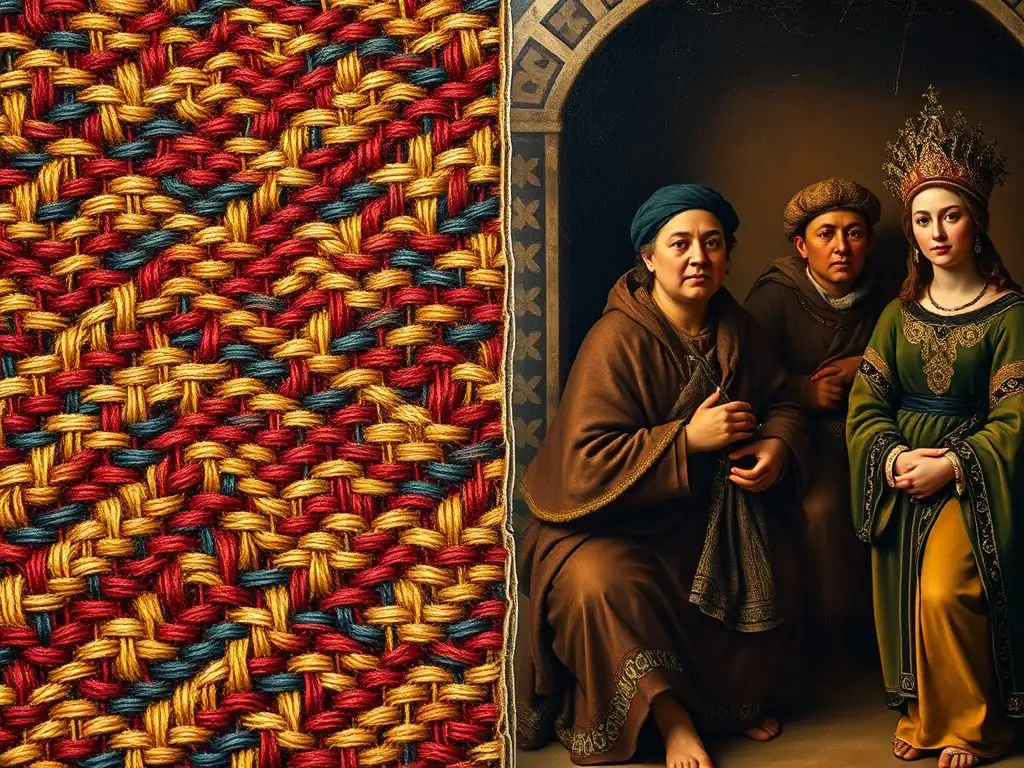
The arrival of the Spanish in the Andes drastically altered the artistic landscape, introducing new materials and techniques that profoundly impacted Andean creative expression. While pre-Columbian Andean art boasted a remarkable sophistication in its use of local resources, the influx of European goods and technologies irrevocably changed the palette and processes of Andean artistry. This section explores the specific ways in which these changes manifested, focusing on the introduction of new materials, the transformation of traditional crafts, and the adoption of new forms utilizing metals and precious stones.
Introduction of New Materials by the Spanish
The Spanish conquest brought with it a wave of previously unseen materials to the Andes. These included pigments like cochineal, a vibrant red dye derived from insects, which quickly became a prized commodity and significantly impacted textile production and painting. The introduction of linen and canvas offered alternative substrates for painting, contrasting with the traditional use of cotton and llama wool.
Furthermore, the Spanish brought new types of wood, particularly from Europe, which were incorporated into carving and furniture making. The impact was not limited to the visual arts; the introduction of new materials also influenced Andean architecture and everyday objects. For instance, the use of iron tools facilitated more complex construction projects, and the introduction of new ceramic glazes led to more durable and visually striking pottery.
The sheer novelty of these materials spurred innovation and experimentation within Andean artistic traditions, leading to hybrid forms that blended indigenous techniques with newly acquired resources. The adoption of cochineal, for example, didn't simply replace existing red pigments; it broadened the color range and created new possibilities for artistic expression. This integration of new materials significantly enriched the visual vocabulary of Andean art, creating a unique blend of old and new.
Transformation of Traditional Andean Craftsmanship
The Spanish introduction of new materials wasn't merely additive; it fundamentally altered traditional Andean craftsmanship. The pre-Columbian mastery of textile weaving, for example, was adapted to incorporate new fibers and dyes. While the intricate techniques of tapestry and knotting remained, the color palettes expanded significantly with the arrival of cochineal and other European dyes. Similarly, pottery production saw a shift, with the introduction of European-style kilns leading to the creation of different glazes and forms.
This fusion wasn't always harmonious; some argue that the adoption of certain European techniques led to a decline in the quality of certain traditional crafts. However, it undeniably resulted in a unique stylistic evolution, creating new hybrid forms that reflect the cultural exchange between the two worlds. The resulting Andean art, while bearing the marks of Spanish influence, retains its own distinct identity, reflecting the resilience and adaptability of Andean artistic traditions.
Analyzing the evolution of traditional crafts like weaving and pottery reveals a complex interplay between preservation and adaptation, a testament to the dynamic nature of cultural exchange. Further research is needed to fully understand the long-term effects of these transformations on the socio-economic aspects of Andean craft production. [Specific data on economic impact pending]
The Use of Metals and Precious Stones in New Art Forms
The Spanish introduction of new metalworking techniques, particularly in the use of silver and gold, significantly impacted Andean art. While the pre-Columbian Andes had a long history of metalworking, the Spanish brought more advanced techniques and a different aesthetic sensibility. This led to the creation of new art forms, such as elaborate silver and gold religious objects reflecting European styles, alongside the continued production of traditional jewelry and ornaments. The combination of Spanish design elements with Andean craftsmanship resulted in unique hybrid forms.
For example, the use of intricate Andean knotting techniques in the decoration of Spanish-style silver religious artifacts demonstrates this fusion. The availability of large quantities of precious metals, often extracted through forced labor, facilitated the creation of grand, opulent pieces that served both religious and secular purposes. However, this also resulted in a shift away from some traditional forms, as resources were channeled into the production of objects that satisfied Spanish demands and tastes.
This period saw a significant increase in the production of objects meant to glorify the Spanish crown and the Catholic Church, highlighting the power dynamics inherent in the cultural exchange. A detailed study of surviving artifacts from this period is crucial to understanding the full extent of this artistic transformation, showing the complex interplay of indigenous and colonial aesthetics in Andean art influenced by Spanish techniques and desires. [Further analysis needed on specific stylistic changes in metalwork]
The Enduring Legacy: Andean Art Influenced by Spanish
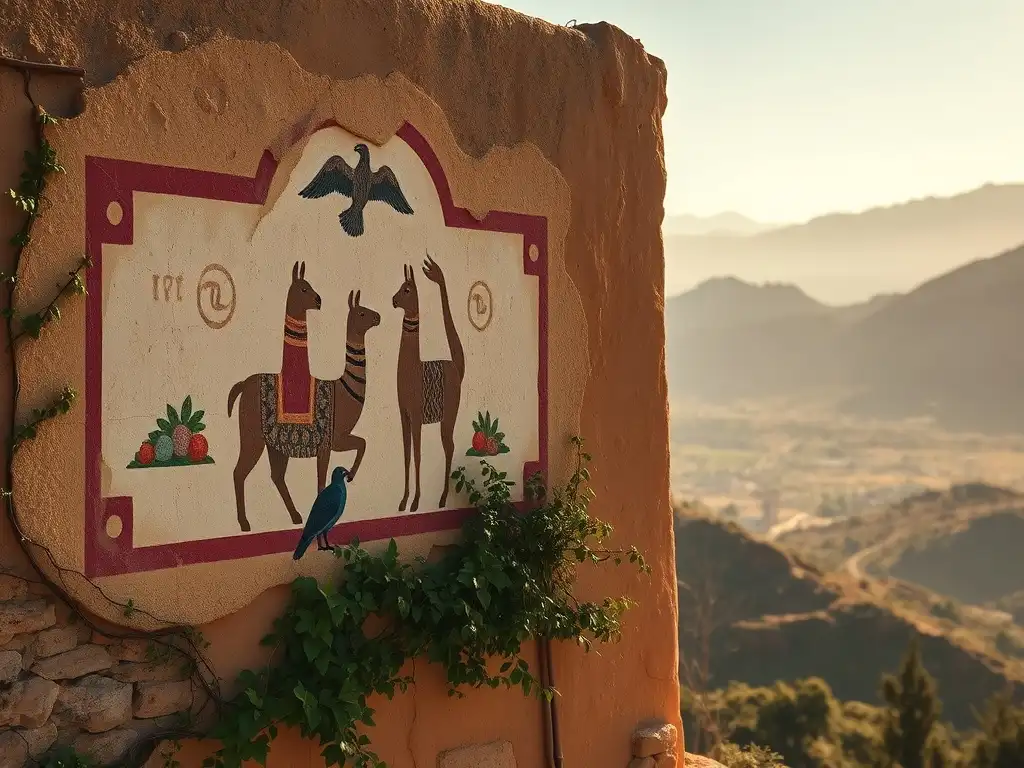
The arrival of the Spanish in the Andes dramatically altered the trajectory of Andean artistic expression. While the conquest brought destruction and upheaval, it also inadvertently fostered a fascinating fusion of artistic traditions. This section explores the enduring legacy of Spanish influence on Andean art, demonstrating how indigenous techniques and aesthetics interacted with European styles to create a unique and vibrant hybrid artistic culture.
Understanding this interplay is key to appreciating the complexity and richness of modern Andean art, a testament to the resilience and adaptability of Andean peoples. The keyword phrase "Andean art influenced by Spanish" aptly describes this fascinating cultural exchange, highlighting the lasting impact of colonization on artistic practices.
The Lasting Impact of Colonial Art on Modern Andean Art
The impact of Spanish colonial art extends far beyond the immediate post-conquest period. Even today, we can see echoes of this fusion in contemporary Andean art. Many modern artists consciously or unconsciously draw upon the stylistic elements introduced during the colonial era.
This includes the adoption of certain techniques, such as oil painting, which were brought over from Europe and integrated into pre-existing Andean artistic practices. The use of religious iconography, initially imposed by the Spanish, has also been reappropriated and reinterpreted by contemporary artists, often imbuing these symbols with new, indigenous meanings. This creative process demonstrates a dynamic relationship between past and present, where historical influences are recontextualized and transformed to reflect contemporary Andean identities and experiences.
The resulting artwork represents not just a blend of styles, but also a powerful statement of cultural continuity and resilience in the face of historical trauma. For example, the vibrant textiles of the Andes often incorporate both traditional Andean designs and elements derived from Spanish Baroque aesthetics, showcasing a beautiful and complex layering of cultural influences.
Andean Art as a Testament to Cultural Hybridity
Andean art, especially post-conquest, serves as a powerful example of cultural hybridity. It is not simply a case of one culture replacing another, but rather a complex process of negotiation, adaptation, and synthesis. Indigenous artists skillfully integrated elements of Spanish art into their existing practices, resulting in a unique artistic language that reflects both their ancestral heritage and the realities of colonial and post-colonial life.
This process is evident in various art forms, from painting and sculpture to textiles and ceramics. The use of new materials and techniques, introduced by the Spanish, often became interwoven with traditional Andean methods, creating hybrid artistic expressions that are both distinctly Andean and distinctly influenced by Spanish aesthetics. This creative process wasn't passive; Andean artists actively engaged with and transformed the imposed artistic vocabulary, imbuing it with their own cultural meanings and interpretations.
The result is a rich tapestry of artistic styles that defies easy categorization, showcasing the resilience and creativity of Andean cultures. Think of it as a vibrant conversation between two distinct artistic traditions, a dialogue that continues to unfold even today.
Examples of Modern Andean Art Showing Spanish Influence
Numerous examples showcase this ongoing dialogue between Andean and Spanish artistic traditions. [Specific examples of modern Andean art pieces and artists pending]. The incorporation of religious imagery, initially imposed through the colonial church, has been reinterpreted by contemporary artists to reflect indigenous spiritualities and narratives.
Similarly, the introduction of new painting techniques has been seamlessly integrated into existing Andean artistic practices, resulting in unique stylistic blends. [Analysis of specific techniques and their integration into Andean art pending]. Analyzing these examples reveals a complex interplay of influence and resistance, where Andean artists skillfully navigate the legacy of colonialism by reinterpreting and reappropriating the artistic elements introduced by the Spanish.
This demonstrates the enduring power of Andean artistic traditions and their remarkable ability to adapt and evolve in response to historical and cultural shifts. The ongoing presence of Spanish influence in modern Andean art is not a sign of cultural erasure, but rather a testament to the dynamism and adaptability of Andean artistic expression. The fusion is a powerful demonstration of cultural resilience and creative innovation.
Conclusion: A Complex Narrative of Artistic Transformation
The arrival of the Spanish in the Andes marked a profound turning point, not only in the political and social landscape but also in the realm of artistic expression. The interaction between Spanish and Andean artistic traditions wasn't a simple case of replacement, but rather a complex interplay of imposition, adaptation, and ultimately, resilience.
Understanding this nuanced process requires acknowledging both the destructive impact of colonization and the remarkable capacity of Andean artists to creatively integrate and transform foreign elements into their own unique artistic language. The resulting artistic hybridity reflects a dynamic cultural exchange, shaped by power imbalances, religious conversions, and the enduring spirit of Andean creativity.
Analyzing Andean art influenced by Spanish requires a multifaceted approach, considering the various artistic mediums, regional variations, and the long-term consequences of this historical encounter. The legacy of this period continues to resonate in contemporary Andean art, demonstrating the enduring power of cultural fusion and adaptation.
The Dual Nature of Spanish Influence: Imposition and Adaptation
The Spanish conquest brought with it a forceful imposition of European artistic styles and techniques. Religious iconography, particularly Catholic imagery, became central to artistic production, replacing or overlaying pre-existing Andean motifs. The demand for religious art fueled the creation of numerous paintings, sculptures, and textiles depicting saints, biblical scenes, and the Virgin Mary. This imposition often involved the suppression of indigenous artistic practices deemed "pagan" or "heretical."
However, the narrative is far from unidirectional. Andean artists, despite facing coercion and cultural disruption, displayed remarkable adaptability. They skillfully integrated Spanish artistic elements into existing Andean aesthetics, creating a unique hybrid style. For example, traditional Andean techniques like weaving and pottery were used to produce objects incorporating both indigenous designs and Spanish religious motifs.
This fusion resulted in a fascinating blend of styles, where Spanish influences were subtly interwoven with pre-existing Andean traditions, demonstrating a remarkable capacity for artistic syncretism. The resulting artworks are not simply copies of European styles, but rather innovative expressions that reflect the unique cultural context of the Andes under Spanish rule. This intricate interplay of imposition and adaptation is a hallmark of Andean art influenced by Spanish, reflecting the complex power dynamics and creative resilience of the Andean people.
Andean Artistic Resilience and Innovation
Despite the significant challenges posed by colonization, Andean artists demonstrated exceptional resilience and innovation. Rather than simply mimicking Spanish styles, they creatively adapted and transformed foreign elements, resulting in unique artistic expressions that blended indigenous and European traditions. The use of vibrant colors, intricate patterns, and symbolic representations – hallmarks of pre-Columbian Andean art – persisted, even as new subject matter and techniques were introduced. Consider, for instance, the continued use of traditional textile designs, which were often adapted to incorporate religious themes or Spanish-inspired motifs.
This demonstrates a remarkable capacity for cultural negotiation and adaptation, highlighting the agency of Andean artists in shaping their own artistic identities within the context of colonial rule. Moreover, the integration of new materials and techniques brought by the Spanish, such as oil paints and new metalworking methods, led to further innovations and artistic experimentation. This dynamic exchange resulted in a rich and diverse artistic landscape, reflecting the enduring creativity and adaptability of Andean cultures.
The legacy of this period showcases how Andean artistic traditions not only survived but thrived, adapting and evolving in response to external influences. The resilience and innovation of Andean artists are testament to the enduring power of their cultural heritage and artistic traditions. This process of adaptation and innovation is a key aspect of understanding Andean art influenced by Spanish.
Further Research on the Andean Artistic Transformation under Spanish Rule
Further research is needed to fully understand the complexities of Andean artistic transformation under Spanish rule. Specific areas requiring further investigation include a more detailed regional analysis of artistic styles, considering the variations across different Andean communities. Detailed studies on the lives and working conditions of Andean artists during the colonial period would provide valuable insights into the creative processes and the socio-economic factors influencing their artistic production.
Moreover, a comparative analysis of the artistic output of different Andean ethnic groups during this period could reveal the diverse ways in which they responded to Spanish influence. A deeper understanding of the patronage systems that supported Andean art during the colonial era is also crucial. Finally, more research is needed to examine the long-term impact of this artistic fusion on subsequent artistic movements in the Andes, tracing the enduring legacy of this transformative period.
By addressing these research gaps, we can gain a more comprehensive and nuanced understanding of the complex interplay between Spanish and Andean artistic traditions, and the enduring legacy of artistic resilience and innovation in the face of colonialism. This will enhance our understanding of Andean art influenced by Spanish and offer a more complete picture of this vital chapter in Andean history.
Frequently Asked Questions
What is the main focus of this article?
This article explores the significant impact of Spanish art on the artistic traditions of the Andean civilizations following the Spanish conquest. It examines how these two distinct styles interacted and influenced one another.
How did Spanish art influence Andean artistic styles?
Spanish influence led to a fusion of styles, blending indigenous techniques with European aesthetics. This resulted in new forms of art incorporating both Andean symbolism and European artistic elements.
Which Andean civilizations are discussed in relation to Spanish artistic influence?
The article likely covers the impact on several Andean civilizations, including but not limited to the Incas, Moche, Nazca, and Tiahuanaco, showcasing the varied responses to Spanish colonization.
What specific artistic forms were affected by the Spanish influence?
The influence impacted various forms, such as painting, sculpture, textiles, and ceramics. The changes reflect both the adoption of new techniques and the adaptation of existing ones.
Where can I find more information about Andean art before and after the Spanish conquest?
Further research can be conducted by exploring academic sources focusing on colonial Andean art, museums showcasing Andean artifacts, and books dedicated to the history of Andean civilizations.
Final Reflection: Echoes of Empire, Whispers of Resistance
The enduring legacy of Spanish colonialism on Andean art continues to resonate today, a complex tapestry woven from both oppression and adaptation. The vibrant hues and intricate details of Andean art, while undeniably shaped by the arrival of European aesthetics, simultaneously reveal a powerful undercurrent of indigenous resilience and cultural preservation. This fusion, far from being a simple imposition, represents a dynamic dialogue between two distinct artistic traditions, a testament to the enduring spirit of Andean creativity.
The impact of this artistic exchange continues to shape our understanding of Andean identity and the power of cultural syncretism. The blending of Spanish techniques with pre-Columbian motifs created a unique visual language, one that speaks volumes about the complexities of cultural contact and the ongoing struggle for self-representation. Art washes away from the soul the dust of everyday life.
– Pablo Picasso. This quote, while not directly referencing Andean art, perfectly captures the transformative power of artistic expression in the face of adversity, a power that Andean artists harnessed with remarkable skill and determination.
Consider the ways in which this historical interaction continues to inform our own perspectives on cultural exchange and artistic appropriation. How can we learn from the Andean experience to foster more equitable and respectful collaborations between different artistic traditions? You, the reader, are now part of this ongoing conversation. Engage with Andean art, learn its history, and appreciate the enduring beauty and strength of a culture that, despite immense challenges, continues to flourish and inspire.
Unveil Your Creative Journey!
Thank you for exploring how Spanish art has shaped the vibrant expressions of Andean creativity. We hope you found inspiration in the rich tapestry of cultural exchange and artistic evolution discussed here. Now, let's put your newfound insights into action!
- Dive into your own art: Integrate elements of Andean and Spanish styles into your next creative project. Whether you're painting, sculpting, or working with textiles, let the fusion of these cultures inspire your work.
- Join a local art class or workshop: Connect with fellow artists who share a passion for exploring cultural influences in art. Collaborative environments often spark remarkable creative breakthroughs.
- Share the inspiration: Discuss this article with friends or on social media. Engage others in a conversation about the vibrant art traditions of the Andean region and their historical context.
What creative ideas can you develop by blending different cultural art forms? Let's ignite a conversation about your artistic inspirations in the comments!