
The Huari Collapse: The Mystery Surrounding Their Disappearance

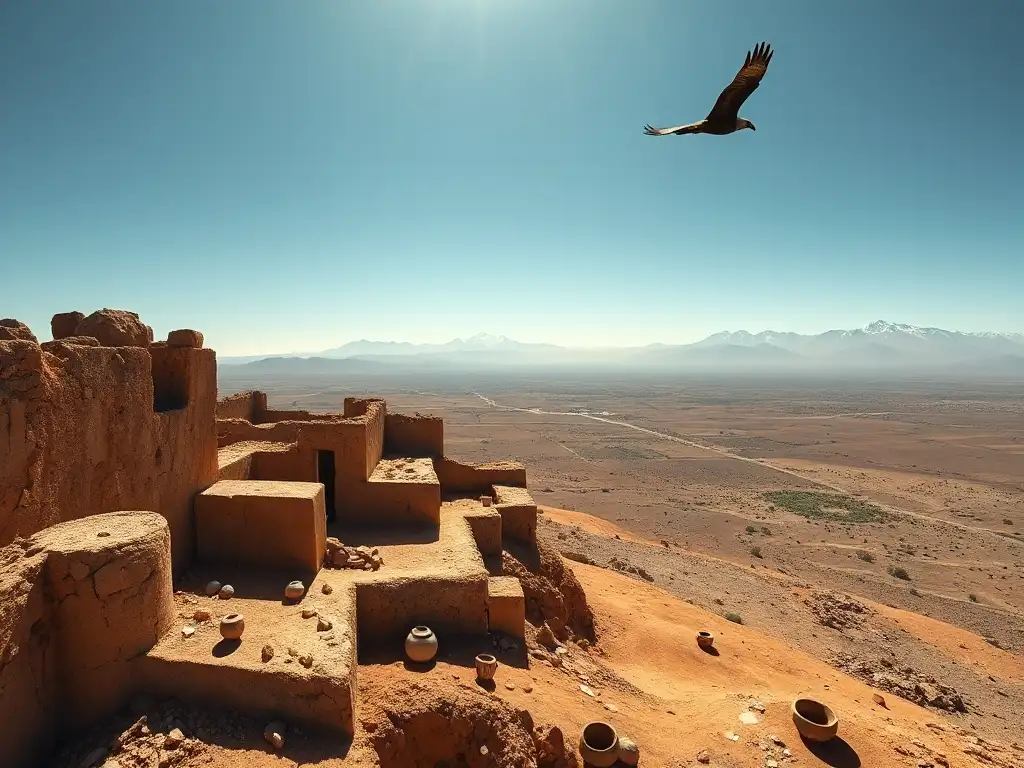
Step into a world lost to time, where majestic empires rose and fell amidst the breathtaking Andes Mountains. Uncover the secrets of ancient Andean civilizations, from the intricate artistry of the Nazca lines to the sophisticated engineering of the Incas. But what truly captivates is the enigma of the Huari civilization – their sudden collapse remains a puzzle shrouded in mystery. Delve into the possible Huari civilization collapse causes and unravel the threads of this fascinating historical enigma. Prepare to be amazed as we journey through this captivating era.
The sudden and dramatic decline of the Huari civilization, a powerful Andean empire that flourished between the 600s and 1000s CE, remains one of the most intriguing unsolved puzzles in pre-Columbian history. This article delves into the various theories surrounding the collapse of the Huari, exploring the potential factors contributing to their downfall and the lasting impact on the subsequent development of Andean societies. Understanding the Huari civilization's rise and the intricacies of its culture is crucial to appreciating the magnitude of its collapse and the enduring questions it poses to archaeologists and historians today.
We will examine the evidence, weigh the competing hypotheses, and explore the lingering mysteries surrounding this fascinating and influential Andean civilization. The keyword "Huari civilization collapse causes" will be explored throughout this article, offering insights into this complex historical event.
Understanding the Huari Civilization Before Its Decline
The Huari, also known as the Wari, were a powerful pre-Inca civilization that controlled a vast territory in the central Andes. Their empire, at its peak, extended across much of modern-day Peru, encompassing a diverse range of ecological zones and populations. The Huari were master builders, creating impressive urban centers characterized by intricate networks of roads, canals, and monumental architecture. Their influence extended beyond infrastructure; their distinctive pottery styles, sophisticated administrative systems, and standardized agricultural practices demonstrate a sophisticated level of social and political organization.
Before their decline, the Huari controlled a complex system of resource management and trade, connecting distant regions and fostering cultural exchange. Understanding this pre-collapse sophistication is key to understanding the scale of the subsequent decline. This robust civilization didn't simply fade away; its collapse was a significant event with lasting repercussions.
The Rise of the Huari Empire: Military Expansion and Trade Networks
The Huari's rise to power was likely a combination of military prowess and shrewd economic strategies. Archaeological evidence suggests a period of significant military expansion, with the Huari conquering and incorporating numerous smaller groups into their empire. This expansion wasn't solely based on force; the Huari also established extensive trade networks, facilitating the exchange of goods and resources across their vast territory. This integrated network allowed for the efficient distribution of resources and the consolidation of power.
The control of vital trade routes and strategic resources, such as agricultural land and minerals, undoubtedly played a significant role in their dominance. However, this very success might have sown the seeds of their eventual downfall, potentially stretching their administrative capabilities and resources too thin. The precise balance between military conquest and economic integration remains a subject of ongoing debate among researchers studying the "Huari civilization collapse causes."
The Huari left behind a rich cultural legacy. Their architecture is particularly impressive, featuring monumental structures, intricate urban planning, and sophisticated engineering techniques. The city of Huari itself, located near Ayacucho, served as the empire's administrative and religious center, showcasing the advanced architectural skills and urban planning of the Huari.
Their distinctive ceramics, often featuring intricate designs and high-quality craftsmanship, provide valuable insights into their artistic traditions and social structures. Evidence suggests a complex social stratification system, with a clear hierarchy evident in burial practices and material culture. The distribution of resources and the concentration of power within the elite class are important factors to consider when analyzing the potential causes of the Huari collapse.
The sophisticated nature of their culture further highlights the mystery surrounding their relatively rapid decline. Understanding the intricacies of Huari society is crucial for assessing the internal factors that might have contributed to the "Huari civilization collapse causes."
- Understanding the Huari Civilization Before Its Decline
- The Rise of the Huari Empire: Military Expansion and Trade Networks
- Huari Culture: Wari Architecture, Ceramics, and Social Stratification
- Environmental Factors and Their Role in the Huari Decline
- Drought and Climate Change as a Potential Cause of the Huari Collapse
- The Impact of Resource Depletion on the Huari Social Structure
- Internal Conflicts and Political Instability within the Huari Empire
- Social Upheaval and the Fragmentation of the Huari State
- The Role of Warfare in the Huari Civilization Demise
- The Influence of Huari Art and Architecture on Later Andean Societies
- Lessons Learned from the Huari Collapse for Understanding Andean History
- Ongoing Research and Future Directions in Huari Studies
- The Enduring Mystery of the Huari Civilization's Disappearance
- Huari Civilization Collapse Causes: A Summary and Concluding Remarks
Theories Surrounding the Huari Civilization Collapse
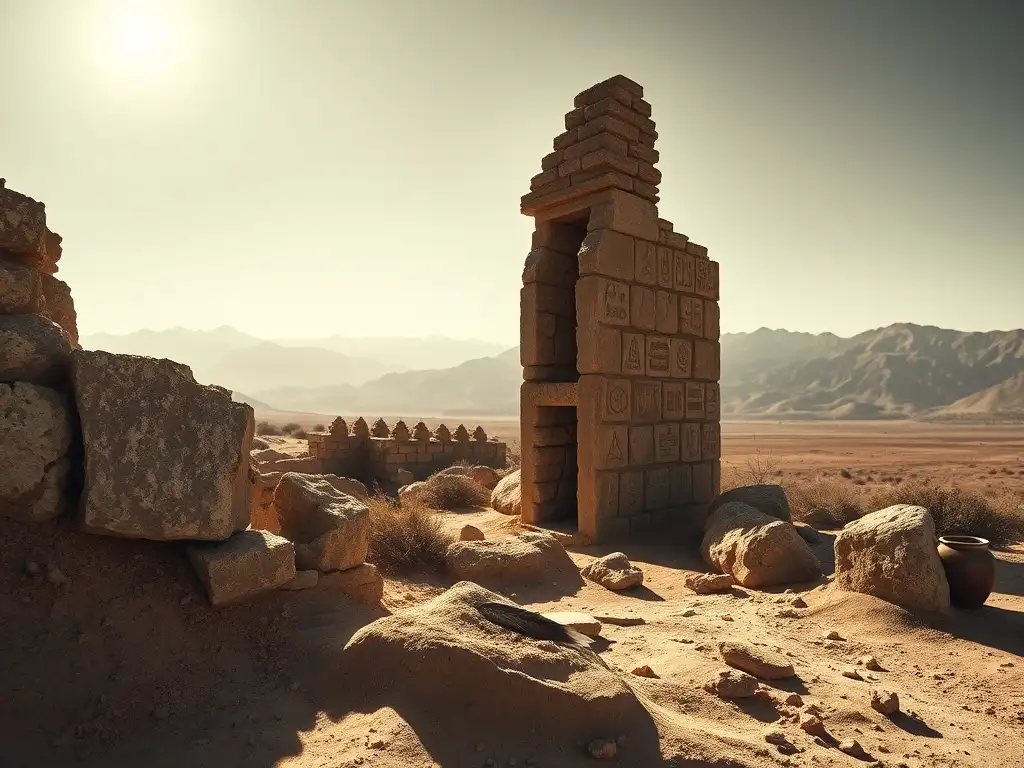
The collapse of the Huari civilization, a powerful Andean empire flourishing between 600 and 1000 CE, remains a topic of intense scholarly debate. Understanding the Huari civilization collapse causes requires examining a complex interplay of factors, rather than attributing the decline to a single event. Several compelling theories attempt to explain this dramatic shift in Andean power dynamics. These theories often overlap and reinforce each other, suggesting a multifaceted process rather than a singular catastrophic event. This section delves into some of the most prominent hypotheses, exploring the evidence and limitations of each.
Environmental Factors and Their Role in the Huari Decline
Environmental factors played a significant, perhaps decisive, role in the weakening and eventual collapse of the Huari state. The empire's extensive infrastructure, including its sophisticated irrigation systems and vast agricultural lands, was intricately linked to the stability of the Andean ecosystem. Any disruption to this delicate balance would have had cascading consequences, impacting food production, population density, and ultimately, political stability.
The scale of the Huari empire demanded a robust and reliable agricultural system; its vulnerability to environmental shifts is therefore a crucial aspect of understanding its decline. Archaeological evidence points towards increased aridity in certain regions during the late Huari period, potentially leading to crop failures and famine.
The impact on the empire's ability to sustain its large population and maintain control over distant provinces would have been profound. Further research focusing on paleoclimatological data from various Huari sites is crucial to fully assess the extent of this environmental stress.
Drought and Climate Change as a Potential Cause of the Huari Collapse
The possibility of prolonged drought and climate change as a primary Huari civilization collapse causes is supported by various lines of evidence. Studies analyzing pollen samples and isotopic ratios in sediment cores from lake basins within the Huari heartland suggest significant shifts in precipitation patterns during the late 8th and 9th centuries CE. These shifts, possibly related to broader climatic fluctuations in the Southern Hemisphere, could have resulted in severe and prolonged droughts that crippled the Huari agricultural system.
Imagine the impact of repeated crop failures on a vast empire reliant on intensive agriculture. Such conditions would have led to widespread food shortages, social unrest, and potentially, internal conflict, weakening the central authority and paving the way for the empire's disintegration.
This hypothesis is strengthened by the observation of decreased agricultural output during this period, as evidenced by a reduction in the size and number of cultivated fields. The severity and duration of these droughts, however, remain subjects of ongoing research.
Beyond climate change, the depletion of vital resources also likely contributed to the Huari collapse. The empire's expansion and centralized administration demanded a constant flow of resources—agricultural products, minerals, textiles, and labor. The sustained extraction of these resources, coupled with potential environmental degradation, could have led to resource scarcity, particularly in the later stages of the empire.
This scarcity would have disproportionately affected the peripheral regions, potentially leading to rebellion and weakening the empire's control over its vast territory. Furthermore, the increased demand for resources might have strained the existing social structures, intensifying internal conflicts and weakening the overall resilience of the society.
This is particularly relevant when considering the empire's extensive road network and the logistical challenges of transporting resources across such a vast and varied terrain. The intricate relationship between resource management, social stratification, and political stability in the Huari empire deserves further investigation to clarify its role in the eventual collapse.
Internal Conflicts and Political Instability within the Huari Empire
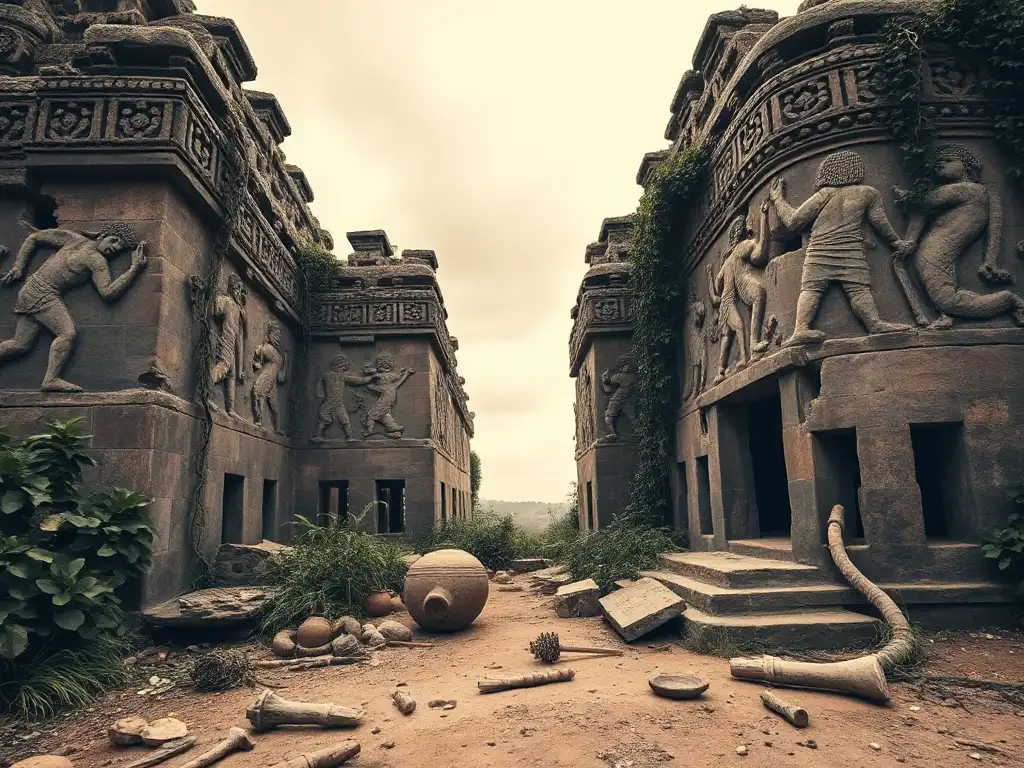
The vast Huari Empire, spanning a significant portion of the Andean highlands, was likely not immune to internal strife. While evidence of centralized control is clear in their sophisticated administrative systems and standardized pottery, maintaining such a large and diverse territory presented immense challenges. The sheer distance between the core regions and outlying provinces, coupled with the potential for differing regional identities and interests, could easily have fostered dissent and rebellion.
Historians suggest that the absence of a clearly defined succession system might have fueled power struggles among elites, leading to periods of instability and weakening the empire's overall authority. This internal fracturing could have manifested in various ways, from localized revolts and tax evasion to outright civil wars, diverting resources and manpower away from crucial infrastructure projects and weakening the empire's overall resilience to external pressures.
The lack of consistent archaeological evidence directly supporting widespread internal conflict remains a challenge for researchers, but the sheer scale of the empire and its inherent vulnerabilities suggest that internal political instability played a significant role in its eventual collapse. Further research into the distribution of elite goods and the presence of fortifications within the Huari heartland could shed more light on this crucial aspect of the collapse.
The Huari state's centralized control, while impressive, might have masked underlying social tensions. The imposition of a standardized culture and administrative system could have clashed with the pre-existing social structures and traditions of conquered populations. This imposition, coupled with potential economic disparities and uneven distribution of resources, likely created significant resentment among subjugated groups.
The construction of large-scale administrative centers and the demand for labor for public works projects, while demonstrating the power of the Huari state, may have also led to widespread social unrest. Archaeological evidence suggests that some populations resisted Huari rule, and the eventual fragmentation of the empire might be seen as a result of widespread social upheaval and the breakdown of the social order imposed by Huari rulers.
The gradual erosion of central authority, as local populations asserted their independence, contributed to the disintegration of the state. The study of settlement patterns and the analysis of changes in burial practices across different regions of the former Huari empire are crucial in understanding the complexities of this social upheaval.
The Role of Warfare in the Huari Civilization Demise
While internal factors undoubtedly contributed to the Huari collapse, the role of warfare cannot be ignored. While the Huari are not known for particularly aggressive expansionism compared to other Andean civilizations, external pressures and conflicts certainly played a role in their decline. The possibility of prolonged warfare with neighboring groups, straining resources and manpower, is a compelling theory.
The scale of their empire and the need to maintain control over such a vast territory would have necessitated a substantial military presence, placing a considerable burden on the economy. The depletion of resources due to prolonged conflict, combined with the internal weaknesses already mentioned, could have created a perfect storm leading to the empire's downfall. The presence of defensive structures and evidence of conflict in some archaeological sites support this theory, although the precise nature and scale of the warfare remain topics of ongoing debate.
Further research focusing on the analysis of weaponry and fortifications, along with a more detailed study of the distribution of injuries in human remains from this period, could provide valuable insights into the role of warfare in the Huari decline. The study of contemporary civilizations and their responses to similar pressures could also inform our understanding of the Huari experience.
Examining the Archaeological Evidence of the Huari Collapse
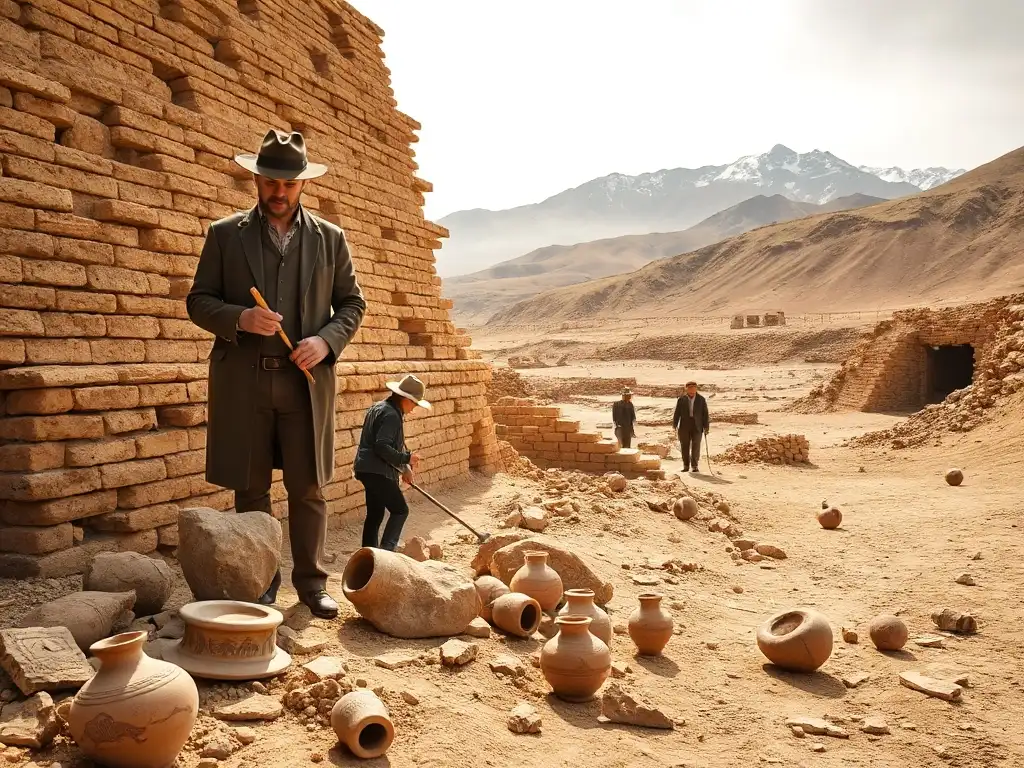
The collapse of the Huari civilization, a powerful Andean empire flourishing between 600 and 1000 CE, remains a captivating enigma. Understanding the factors contributing to its decline necessitates a thorough examination of the archaeological record. While a singular cause is unlikely, the available evidence points towards a complex interplay of environmental pressures, internal strife, and external challenges. The following sections delve into key aspects of the archaeological evidence, shedding light on the multifaceted nature of the Huari civilization collapse causes.
Abandonment of Huari Urban Centers: Pikillaqta and Viracochapampa
The sudden and widespread abandonment of major Huari urban centers offers crucial insights into the empire's demise. Sites like Pikillaqta, near Cusco, and Viracochapampa, further north, exhibit clear signs of a rapid departure. Archaeological excavations reveal a lack of destruction layers, suggesting the population left voluntarily, rather than fleeing a catastrophic event. This contrasts sharply with the evidence of destruction found in some other Andean sites.
The absence of widespread evidence of violence or warfare in these abandoned centers challenges theories positing conquest or internal rebellion as the sole cause of collapse. However, it's important to note that the lack of evidence doesn't necessarily equate to the absence of conflict. Further research is needed to fully understand the circumstances surrounding the evacuation of these key urban centers.
The speed of the abandonment, however, underscores a significant disruption to the Huari societal structure, one that likely stemmed from a combination of factors. The sheer scale of the population movement necessary for the complete abandonment of these large cities is a testament to the profound impact of the collapse.
Changes in Material Culture Post-Huari Period: Shift in Pottery Styles
A marked shift in material culture following the Huari collapse provides further evidence of societal upheaval. The distinctive Huari pottery style, characterized by its fine craftsmanship, intricate designs, and standardized forms, experienced a dramatic decline after the empire's fall. This is not a gradual evolution but rather a sudden break in stylistic continuity. The emergence of diverse, regionally specific pottery styles in the post-Huari period indicates a fragmentation of the unified cultural sphere previously maintained by the Huari.
This change in pottery styles isn't merely aesthetic; it reflects deeper socio-political changes. The standardization of Huari pottery suggests centralized production and control, reflecting the empire's power. The subsequent diversity points to a loss of centralized control and the rise of independent regional identities. Analyzing the specific changes in pottery decoration, clay composition, and vessel shapes provides valuable clues about the social and economic transformations that occurred after the Huari collapse. The presence of certain Huari stylistic elements in post-collapse pottery, however, indicates a complex process of adaptation and continuity rather than complete severance.
The Absence of Huari Influence in Later Andean Cultures: Regional Variations
The limited and uneven influence of Huari culture on subsequent Andean societies underscores the incomplete nature of its legacy. While some elements of Huari administrative practices or architectural styles might have persisted in certain regions, there's no evidence of a unified successor state. Instead, the post-Huari period witnessed the rise of numerous smaller, regionally distinct cultures, each with its own unique characteristics.
This lack of a direct Huari successor state contrasts sharply with the expansive reach of the empire. The absence of a widespread adoption of Huari cultural elements in later societies suggests that the empire's collapse wasn't simply a matter of political succession. Rather, it indicates a profound disruption to the socio-political structures that had sustained Huari's dominance.
The regional variations in post-Huari cultural development highlight the diverse responses to the empire's fall, demonstrating the complexity of the process and its lasting impact on the Andean landscape. Further research focusing on regional variations in post-Huari culture could provide valuable insights into the diverse impacts of the Huari civilization collapse causes.
Alternative Hypotheses for the End of Huari Power
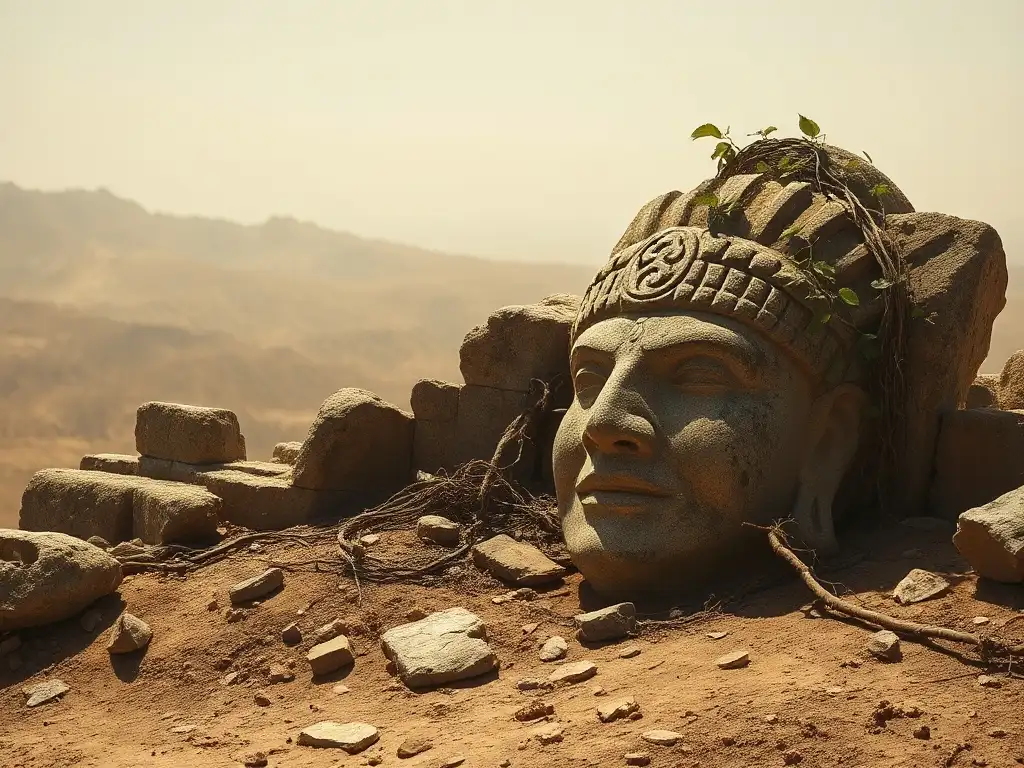
The collapse of the Huari civilization, a powerful Andean empire spanning from approximately 600 to 1000 CE, remains a captivating enigma for historians and archaeologists. While no single theory definitively explains their demise, several compelling hypotheses offer potential explanations for the weakening and eventual disintegration of this significant pre-Inca culture. Understanding the Huari civilization collapse causes requires a nuanced examination of these competing, and potentially complementary, theories. We explore several prominent alternative explanations here, considering both internal and external pressures that may have contributed to their downfall.
The Theory of a Gradual Decline versus a Sudden Collapse
Debates surrounding the Huari collapse often center on the nature of the process itself: was it a slow, gradual decline over several generations, or a relatively swift collapse triggered by a catastrophic event? Evidence suggests a more complex reality, likely involving elements of both.
Some scholars point to a gradual erosion of Huari power. This perspective emphasizes internal factors such as overextension of their vast empire, leading to administrative difficulties and logistical challenges in maintaining control over distant provinces. The immense cost of maintaining a sprawling empire, including the construction of extensive road networks and the support of a large bureaucracy, might have gradually weakened the central government. Furthermore, evidence of internal rebellions and regional power struggles within the Huari state suggests a weakening of central authority in the centuries leading up to the empire's demise.
Conversely, the theory of a sudden collapse points to external factors or a single catastrophic event as the primary driver. This perspective often highlights the potential impact of climate change, disease outbreaks, or a major natural disaster as the catalyst that overwhelmed an already weakened system. The sudden abandonment of numerous Huari sites lends credence to this perspective, suggesting a rapid and possibly violent end to the empire.
The Impact of Neighboring Cultures on the Huari Demise
The Huari empire did not exist in isolation. Its rise and fall were intrinsically linked to the actions and influence of its neighbors. Several neighboring cultures might have played significant roles in the Huari decline. The expansionist policies of the Huari likely created enemies and fueled resentment among conquered populations, potentially leading to widespread rebellions or alliances against the central authority.
Moreover, the rise of other powerful regional groups during the Huari's later years could have significantly weakened their dominance. These groups, perhaps emboldened by internal Huari weaknesses, may have actively challenged Huari control, leading to territorial losses and a gradual fragmentation of the empire. A detailed analysis of the material culture and political structures of these neighboring groups is crucial in understanding their potential influence on the Huari civilization collapse causes. Further research is needed to fully assess the impact of these neighboring societies on the Huari decline. [Specific information pending: detailed analysis of neighboring cultures' influence on Huari]
The Possibility of a Combination of Factors Contributing to the Huari Civilization's End
The most plausible explanation for the Huari collapse likely involves a complex interplay of multiple factors rather than a single cause. It's highly probable that a combination of internal weaknesses and external pressures contributed to the empire's ultimate demise.
For instance, the gradual erosion of central authority due to overextension and internal conflicts might have left the Huari vulnerable to external shocks such as a severe drought, a devastating epidemic, or a concerted attack from rival groups. Such a scenario would explain both the gradual decline observed in some regions and the sudden abandonment of others. This "perfect storm" scenario, involving a confluence of internal and external pressures, offers a more comprehensive explanation for the Huari civilization collapse causes than any single factor in isolation.
Further research, focusing on integrated analyses of environmental data, archaeological evidence, and social structures, is needed to refine our understanding of this multifaceted process. The intricate interplay of these factors necessitates a holistic approach to unravel the mystery surrounding the Huari civilization's end.
The Legacy of the Huari Civilization: What Remains After Their Disappearance
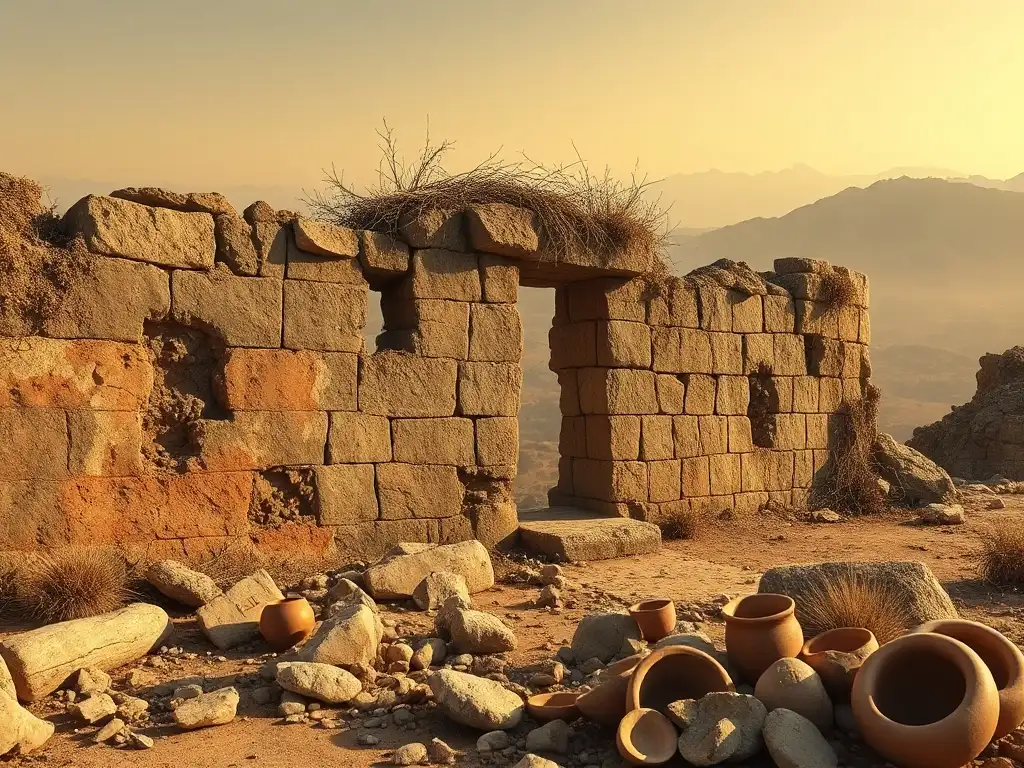
The Huari civilization, despite its enigmatic collapse, left an undeniable mark on the Andean landscape and subsequent cultures. Understanding their legacy is crucial to comprehending the trajectory of Andean development. While their political power waned centuries ago, the echoes of Huari influence resonate in various aspects of later Andean societies, shaping their artistic expressions, architectural styles, and even their administrative structures.
The abrupt end of the Huari state didn't erase their cultural achievements; instead, it sowed the seeds for future innovations and adaptations. The "Huari civilization collapse causes" remain a topic of intense scholarly debate, but their lasting impact is undeniable.
The Influence of Huari Art and Architecture on Later Andean Societies
Huari artistic motifs and architectural techniques were widely adopted and adapted by succeeding Andean cultures. The distinctive Huari style, characterized by its geometric patterns, stylized depictions of animals and humans, and the use of vibrant colors, is evident in the pottery, textiles, and metalwork of later civilizations, particularly the Inca. For example, the recurring use of stepped pyramids, a hallmark of Huari architecture, can be observed in modified forms in Inca constructions.
The sophisticated techniques of stonework and the meticulous planning evident in Huari urban centers directly influenced the urban design of subsequent societies. Analyzing this continuity reveals a complex process of cultural transmission and adaptation, where later groups selectively incorporated elements of Huari culture into their own identities.
The impact wasn't merely superficial imitation; rather, it represented a sophisticated process of cultural exchange and innovation. Their influence on the development of Andean art and architecture is a key aspect of understanding the "Huari civilization collapse causes" and their lasting impact.
Lessons Learned from the Huari Collapse for Understanding Andean History
The Huari collapse offers invaluable insights into the complexities of state formation and decline in the Andes. Examining the factors that contributed to their downfall – whether internal strife, environmental changes, or external pressures – provides a crucial lens through which to interpret the rise and fall of other Andean empires. The Huari experience highlights the vulnerability of even powerful states to unforeseen circumstances and the importance of adaptive strategies in the face of challenges.
Understanding the processes of societal adaptation and resilience following the collapse is equally important. Studying the ways in which different communities responded to the power vacuum left by the Huari state sheds light on the dynamics of cultural interaction and competition in the post-collapse period.
The study of the "Huari civilization collapse causes" provides a framework for understanding the cyclical nature of power and the resilience of Andean societies in the face of adversity. This understanding enhances our comprehension of broader historical processes within the region.
Ongoing Research and Future Directions in Huari Studies
Research into the Huari civilization is an ongoing process, with new discoveries constantly refining our understanding. Current research focuses on several key areas, including: a more detailed analysis of Huari administrative systems through the study of their extensive road networks and administrative centers; a deeper understanding of their agricultural practices and their impact on the environment; and a more nuanced examination of the social and economic inequalities that may have contributed to their downfall.
Future research should utilize advanced technologies, such as high-resolution satellite imagery and sophisticated chemical analysis techniques, to further investigate Huari settlements, agricultural practices, and trade networks. Interdisciplinary approaches, combining archaeology, anthropology, and environmental science, are crucial for a more holistic understanding of the Huari civilization and the "Huari civilization collapse causes."
A comprehensive understanding of their rise, their flourishing, and their ultimate demise will continue to enrich our knowledge of Andean history and civilization for years to come. The unraveling of the mystery surrounding their disappearance remains a compelling challenge for future generations of scholars.
The Enduring Mystery of the Huari Civilization's Disappearance
The sudden and dramatic collapse of the Huari civilization remains one of the most intriguing unsolved mysteries in Andean archaeology. While extensive research has unearthed significant clues, a definitive answer to why Huari society crumbled eludes scholars. The absence of a single, catastrophic event, like a volcanic eruption or widespread disease, complicates the narrative.
Instead, evidence points towards a complex interplay of factors that gradually weakened the empire, ultimately leading to its demise. The lack of a centralized written language further hinders our understanding, leaving archaeologists to piece together the story from scattered material remains, architectural styles, and subtle shifts in settlement patterns. The sheer scale of the Huari empire, its sophisticated administrative systems, and its remarkable artistic achievements make its collapse all the more perplexing, fueling ongoing debates and inspiring new research initiatives.
Understanding the Huari collapse is not just about deciphering a historical puzzle; it's also crucial for comprehending the broader dynamics of power, resilience, and societal change in the Andes. The lessons learned from the Huari experience offer valuable insights into the fragility of even the most advanced civilizations and the unpredictable nature of historical processes. The ongoing research into the Huari civilization continues to challenge our understanding of societal collapse and the complex interplay of factors that can lead to the downfall of even the most powerful empires.
Huari Civilization Collapse Causes: A Summary and Concluding Remarks
The Huari civilization's collapse was not a singular event but a multifaceted process likely driven by a combination of internal and external pressures. While the exact weight of each factor remains debated, the available evidence suggests a confluence of issues. Internal factors may include overextension of the empire, leading to logistical challenges in administering such a vast territory and maintaining control over distant provinces. Economic instability, possibly triggered by environmental changes or resource depletion, could have further weakened the central authority. Social unrest and internal conflicts may have also played a significant role, eroding the empire's cohesion from within. External pressures, such as climate change affecting agricultural productivity or increased pressure from neighboring groups, may have exacerbated these internal weaknesses. The interplay between these internal vulnerabilities and external stressors likely created a perfect storm, ultimately contributing to the unraveling of the Huari empire. It's important to remember that the collapse wasn't necessarily a complete societal disintegration; rather, it was a gradual process involving shifting power dynamics, population movements, and the emergence of new political entities in the region. Further research, incorporating advanced techniques like isotopic analysis and detailed paleoclimatological studies, will undoubtedly shed more light on this fascinating and complex chapter in Andean history. The investigation into the "Huari civilization collapse causes" continues to be a dynamic and evolving field of study.
Frequently Asked Questions
What was the Huari civilization?
The Huari were a powerful Andean civilization that flourished from roughly 600 to 1000 CE. They built a vast empire, influencing many other cultures in the region, including the later Inca. Their capital was located near modern-day Ayacucho, Peru.
When did the Huari civilization collapse?
The Huari collapse is believed to have occurred sometime between the late 9th and early 11th centuries CE. The exact timeline is debated among scholars, and the process was likely gradual rather than sudden.
What are the leading theories about the Huari collapse?
Several theories exist, including environmental factors like droughts or earthquakes, internal conflicts leading to instability, and overextension of their empire causing logistical problems. No single theory is universally accepted.
Did the Wari/Huari civilization leave behind any significant legacy?
Yes, the Huari left a substantial architectural legacy, including impressive urban planning and monumental structures. Their artistic styles influenced later Andean cultures, and their administrative systems likely impacted subsequent empires.
How does the Huari collapse compare to other Andean civilization collapses?
The Huari collapse shares similarities with other Andean collapses, often involving a combination of environmental stress, internal weaknesses, and external pressures. However, the specific factors and their relative importance vary between civilizations.
Final Reflection: Unraveling the Threads of Huari's Demise
The collapse of the Huari civilization remains a potent reminder of the fragility of even the most sophisticated empires, a lesson profoundly relevant in our interconnected world. Understanding the factors that contributed to their downfall – climate change, internal strife, external pressures, or a combination thereof – offers crucial insights into the complexities of societal resilience and vulnerability. The echoes of Huari's experience resonate even today, urging us to consider the potential vulnerabilities within our own systems.
The Huari's story is more than just a historical account; it's a poignant narrative of ambition, innovation, and ultimately, the unpredictable forces that can shatter even the most meticulously constructed societies. Their legacy, etched in the remarkable architecture and intricate artifacts they left behind, continues to inspire awe and provoke questions. The past is never dead. It's not even past,
wrote William Faulkner, and the enduring mystery surrounding Huari's disappearance underscores the truth of this statement. Their story compels us to examine the delicate balance between societal strength and environmental pressures, a balance that remains as precarious today as it was centuries ago.
Consider the parallels between the challenges faced by the Huari and the issues we grapple with today. What lessons can we glean from their experience regarding resource management, social inequality, and the impact of environmental shifts?
You, the reader, hold the power to apply these insights to your own life, to foster a deeper understanding of the interconnectedness of our world, and to build more resilient and sustainable communities for the future. Let the enigma of Huari's collapse inspire you to actively engage in shaping a more resilient and equitable world, one where the lessons of the past inform the actions of the present.
Uncover the Secrets of the Huari!
Thank you for exploring the fascinating mystery of the Huari collapse. Your interest highlights the rich tapestry of Andean history and sparks important questions about the rise and fall of civilizations. Let's turn that curiosity into action!
Here are some practical steps you can take:
- Join a local archaeological society or online community dedicated to Andean history to share ideas and learn from others' research. This collaborative approach will greatly enhance your understanding.
- Develop a detailed timeline charting key events leading up to the Huari decline. Sharing your findings and interpretations on social media can foster engaging discussions and collaborative research.
- Expand your research by investigating neighboring cultures like the Tiwanaku. Comparing their histories might reveal unexpected connections and offer new perspectives on the Huari civilization.
As you delve into the mysteries of the past, consider this: What factors do you believe were most significant in the Huari's decline, and what lessons can we draw from their experience today?