Ancient Andean Civilizations

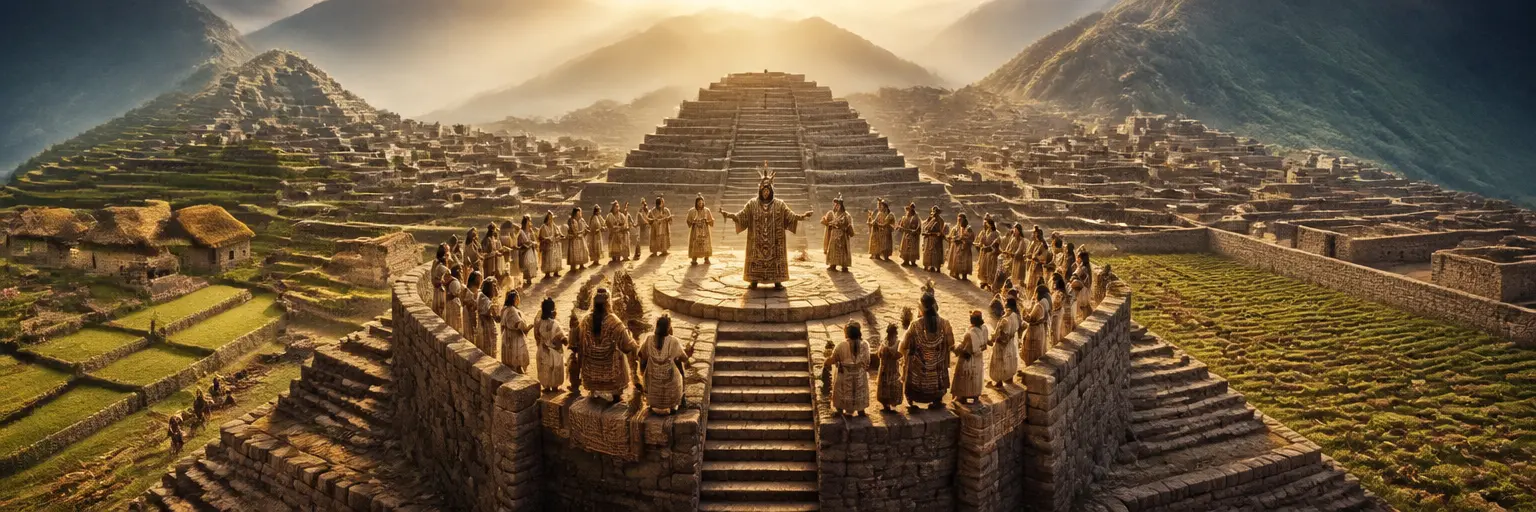
Explore the rise of complex societies in the ancient Andes 🏔️—from monumental architecture and advanced agriculture to trade networks, religious traditions, and powerful leadership. Discover how civilizations such as the Moche, Nazca, Tiahuanaco, and Inca transformed diverse landscapes into thriving centers of innovation and culture. ✨
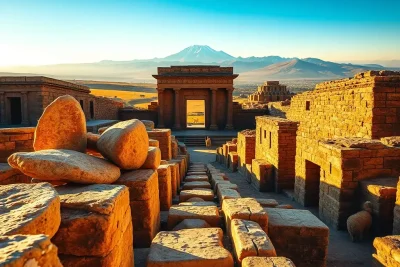
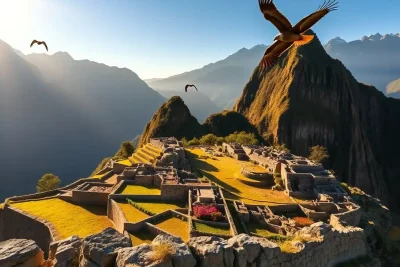
Discover how complex societies emerged in the ancient Andes through innovation, cooperation, religion, trade, and political organization. This subcategory explores the development of powerful communities and early states across the Andean region, including the cultures of Chavín, Moche, Nazca, Tiahuanaco, Wari, and the Inca Empire. Learn how these civilizations transformed challenging environments into productive agricultural landscapes and built enduring traditions in architecture, technology, art, and social organization.
Readers can expect an in-depth look at the transition from small agricultural villages to increasingly organized settlements and regional centers. Topics include population growth, food production, permanent architecture, labor specialization, and the emergence of leaders who coordinated large-scale projects. These developments helped create the foundations of social hierarchy and political authority in ancient Peru.
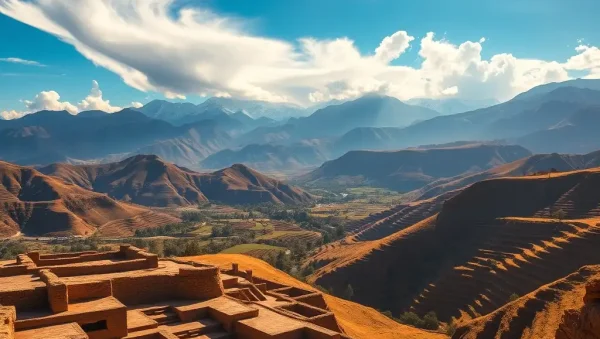
This section also examines how early Andean communities adapted to coastal deserts, highland valleys, and mountain environments. Discover how irrigation, terracing, fishing, camelid herding, and crop cultivation supported growing populations and encouraged the formation of complex societies in the Andes.
Religion played a central role in the rise of Andean civilizations. Explore ceremonial centers, temples, sacred landscapes, priestly authority, and ritual practices that connected communities across large geographic areas. The spiritual traditions of cultures such as Chavín and Tiahuanaco reveal how belief systems could strengthen social unity and legitimize the power of religious and political elites.
Expect discussions of iconography, pilgrimage, offerings, ancestor worship, and sacred architecture. By studying monuments and ritual objects, readers can understand how religion shaped government, social status, and daily life in early Andean societies.
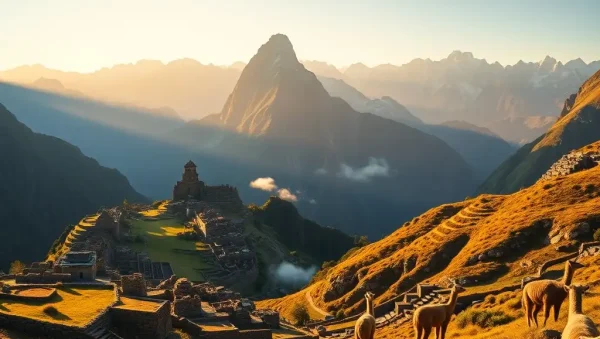
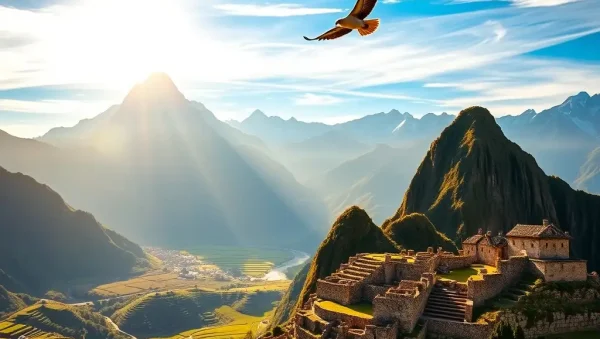
The construction of pyramids, plazas, temples, roads, terraces, and ceremonial complexes required careful planning and cooperation. This section explores how ancient Andean societies mobilized labor, transported materials, and developed engineering solutions suited to difficult terrain. Examples include monumental centers associated with Chavín, Moche ceremonial sites, Tiahuanaco stone architecture, and later Wari and Inca infrastructure.
Readers will learn why monumental construction is an important sign of social complexity in ancient civilizations. Large public works demonstrate the presence of organized labor systems, skilled specialists, resource management, leadership structures, and shared religious or political goals.
Ancient Andean peoples developed remarkable methods for producing food in environments ranging from arid coastlines to high-altitude plateaus. Explore irrigation canals, raised fields, agricultural terraces, reservoirs, and water-management systems that supported thriving communities. These technologies allowed Andean civilizations to cultivate maize, potatoes, quinoa, cotton, coca, and other important crops.
This section highlights the relationship between Andean agriculture and the rise of centralized societies. Reliable food surpluses encouraged population growth, supported artisans and leaders, and made it possible to organize large religious, military, and building projects.
As Andean communities expanded, people took on specialized roles as farmers, fishermen, builders, warriors, priests, administrators, potters, metalworkers, weavers, and traders. Learn how craft specialization and long-distance exchange contributed to the development of complex economies. Archaeological evidence from ceramics, textiles, metals, shells, and stone tools helps reveal the connections between different Andean regions.
Readers can also explore the emergence of social classes and elite authority. Differences in burial goods, housing, clothing, artistic objects, and access to resources provide evidence of social inequality and political organization in ancient Andean cultures.
Conflict and competition influenced the growth of powerful centers throughout the Andes. This section examines fortifications, weapons, warrior imagery, defensive settlements, and evidence of conquest. The Moche, Wari, and later Inca traditions show how warfare could expand political influence and control valuable agricultural land, trade routes, and religious centers.
At the same time, Andean expansion involved more than military force. Political alliances, marriage, tribute, religious influence, resettlement, and administrative systems helped integrate diverse populations. Discover how regional powers created networks of authority across the Andean world.
Archaeologists reconstruct the rise of ancient Andean civilizations through settlement patterns, monumental architecture, human remains, ceramics, textiles, tools, agricultural landscapes, and environmental evidence. Since many Andean cultures left no conventional written records, material culture is essential for understanding their history and achievements.
This section explains how archaeological discoveries reveal changes in leadership, economy, religion, technology, and settlement. Readers can expect accessible context about excavation methods, cultural chronology, and the interpretation of evidence from ancient Peru and the Andean region.
A complex society is a community with organized leadership, social classes, specialized occupations, economic coordination, religious institutions, and large public projects. In the Andes, complex societies developed through agriculture, trade, ritual authority, engineering, and regional political organization.
Several cultures developed complex social and political systems, including Chavín, Moche, Nazca, Tiahuanaco, Wari, and the Inca. Each civilization had distinctive traditions, but all contributed to the broader history of Andean civilization and state formation.
Agricultural innovations such as irrigation, terraces, raised fields, and water storage increased food production in difficult environments. Food surpluses supported larger populations, specialized workers, religious leaders, armies, and administrators.
Religion helped explain the natural world, connect communities, and establish authority. Priests and rulers often used sacred ceremonies, temples, monuments, and religious symbols to unite populations and legitimize political power.
Researchers study architecture, ceramics, textiles, metalwork, agricultural systems, burial sites, settlement patterns, artwork, tools, and environmental remains. Together, these sources provide valuable information about ancient Andean culture, technology, economy, religion, and social organization.