
Inca Architecture and Engineering Marvels
Read more about this topic
Discover the awe-inspiring world of Inca architecture and engineering marvels 🏔️—from precisely fitted stonework and mountain citadels to ingenious roads, bridges, terraces, and water systems. Explore how Inca builders transformed challenging Andean landscapes into enduring masterpieces, revealing advanced knowledge of construction, agriculture, transport, and urban planning. ✨ Uncover the innovation and cultural significance behind iconic sites such as Machu Picchu and other remarkable achievements of the Inca Empire.
60 articles
The Inca Empire
The Inca's Use of Drainage Systems: Managing Water Flow
The Inca Empire
The Inca's Use of Mortar and Joinery: Secrets of Longevity
All articles in Inca Architecture and Engineering Marvels
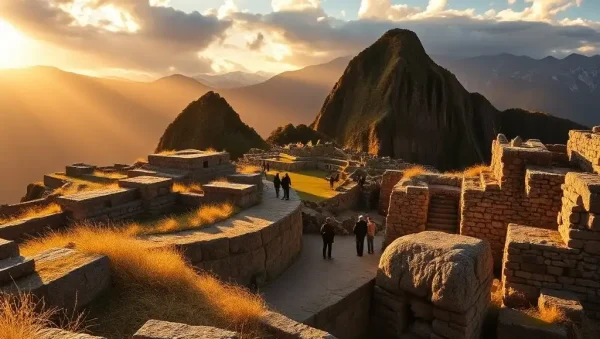
Inca Architecture and the Concept of Power: Asserting Imperial Authority
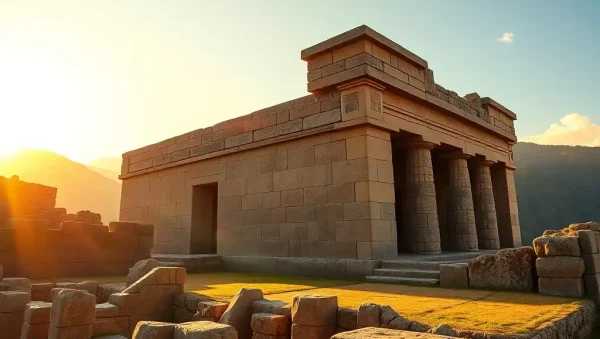
The Sun Temple of Coricancha: An Architectural Masterpiece
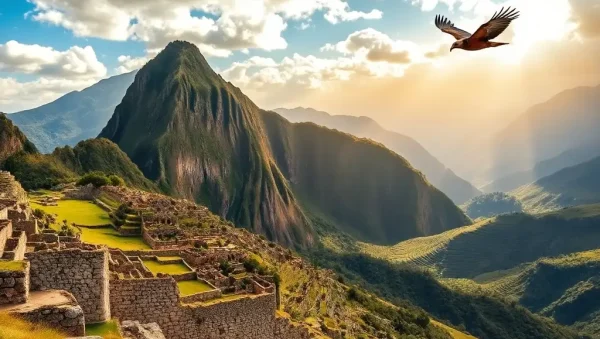
The Inca's Use of Observation Points: Strategic Locations

Inca Quarrying: How They Extracted and Transported Massive Stones
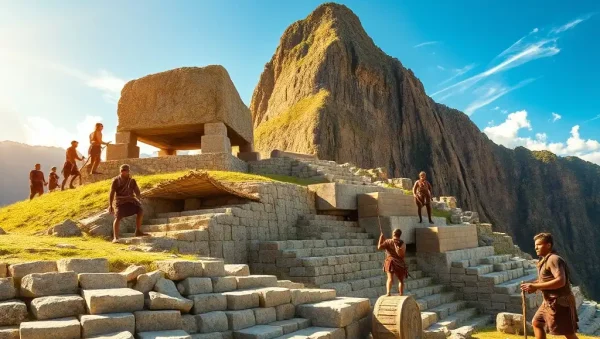
The Inca's Use of Ramps and Levers: Moving Massive Stones
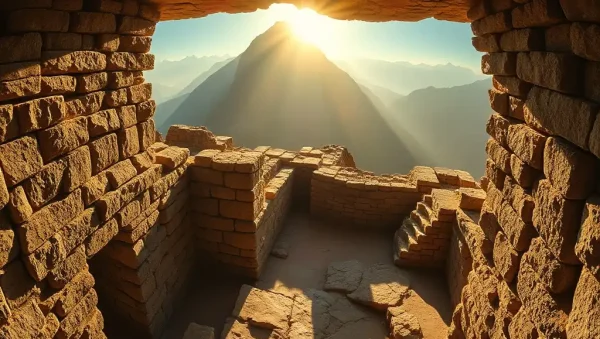
The Inca's Use of Natural Light: Illuminating Interior Spaces
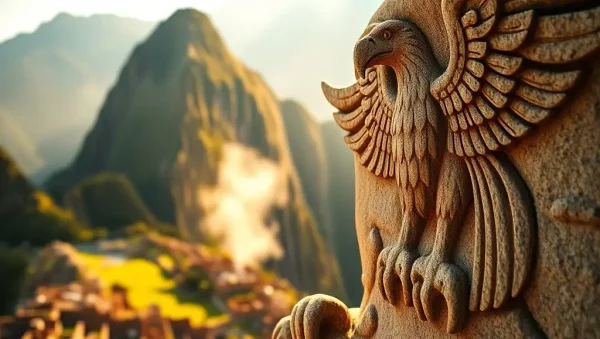
The Inca's Use of Symbolic Motifs: Expressing Beliefs
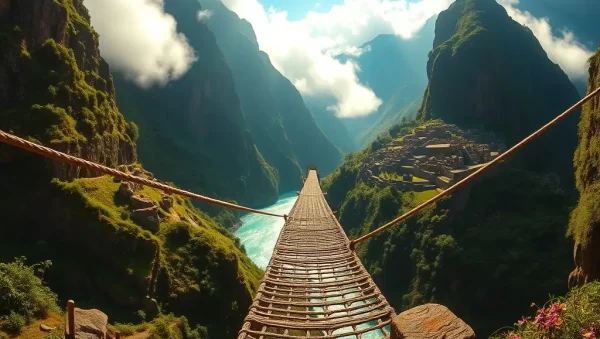
Inca Bridges: Suspended Wonders of the Ancient World
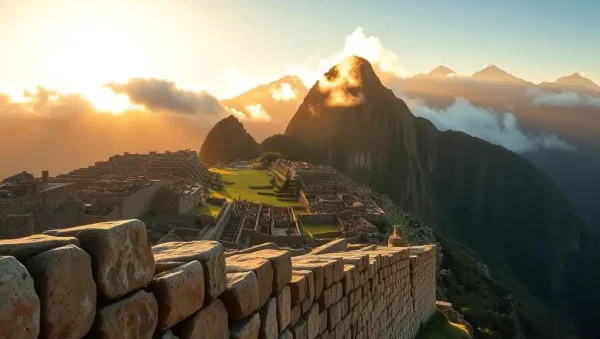
Inca Architecture and the Concept of Harmony: A Balance of Form and Function
Inca Architecture and Engineering Marvels: Stonework, Cities, and Ancient Innovation
Discover the extraordinary world of Inca architecture and engineering, where precisely fitted stonework, mountain settlements, agricultural terraces, roads, bridges, and water systems reveal the remarkable achievements of the Inca Empire. This subcategory explores how Andean builders transformed challenging landscapes into functional, resilient, and symbolically powerful environments. Through detailed articles on Inca construction techniques, sacred sites, royal estates, urban planning, and transportation networks, Andean Civilizations brings the engineering legacy of the Inca civilization to life.
🏔️ Inca Stonework and Construction Techniques
Learn how Inca architects created walls and structures from enormous stones without modern machinery. Articles in this section examine ashlar masonry, polygonal stonework, earthquake-resistant construction, stone dressing, quarrying, and the careful transportation of building materials across steep Andean terrain.
Readers can explore why famous Inca sites such as Cusco, Sacsayhuamán, Ollantaytambo, and Machu Picchu remain architectural landmarks. Discover how tightly fitted stones, sloping walls, strong foundations, and carefully planned drainage helped Inca buildings withstand earthquakes, heavy rainfall, and centuries of environmental change.
🏛️ Machu Picchu, Cusco, and Sacred Inca Sites
Explore the architecture of the Inca Empire’s most important ceremonial, administrative, and royal centers. This subcategory explains the design and purpose of Machu Picchu architecture, Cusco’s urban layout, the Temple of the Sun, Sacsayhuamán, Pisac, and other major archaeological sites across the Andes.
Discover how plazas, temples, terraces, palaces, shrines, and astronomical features reflected Inca religion, political authority, and relationships with the natural world. Each article connects architectural details with the broader history of Inca sacred geography, imperial power, and Andean cosmology.
🌾 Agricultural Terraces and Mountain Engineering
Inca agricultural terraces were much more than hillside fields. Learn how the Incas engineered layered farming systems with retaining walls, drainage channels, specialized soil, and microclimates. These terraces supported food production in high-altitude environments and helped reduce erosion on steep mountain slopes.
Articles explore the agricultural technology of sites such as Moray, the Sacred Valley, and the terraces surrounding Machu Picchu. Readers will discover how Inca terrace farming improved water management, protected soil, extended growing seasons, and helped sustain one of the largest empires in pre-Columbian South America.
💧 Inca Water Management and Hydraulic Systems
Discover the sophisticated water engineering behind Inca fountains, canals, aqueducts, reservoirs, irrigation channels, and drainage systems. Inca engineers directed mountain water through carefully designed networks that served homes, temples, agricultural terraces, and ceremonial spaces.
This section explains how hydraulic planning supported public health, crop cultivation, ritual activity, and urban life. Explore the role of Inca water architecture at Machu Picchu, Tipón, Ollantaytambo, and other archaeological sites, while learning how stone channels and controlled flow protected settlements from flooding and erosion.
🛣️ The Qhapaq Ñan and Inca Transportation Networks
Follow the routes of the Qhapaq Ñan, the extensive Inca road system that connected mountains, valleys, deserts, forests, and coastal regions. Articles examine paved roads, stairways, tunnels, causeways, rest stations, bridges, and administrative centers that allowed the empire to move people, messages, food, and military supplies.
Readers will learn how road construction adapted to dramatic changes in altitude and terrain. Discover the importance of chasquis, or relay runners, tambos, and mountain passes, and understand why the Inca road network was one of the greatest transportation achievements in ancient South America.
🌉 Rope Bridges and High-Altitude Infrastructure
Explore the engineering principles behind Inca suspension bridges, especially the famous Q’eswachaka rope bridge. Built from woven grass fibers, these bridges crossed deep gorges and fast-flowing rivers, linking communities that were separated by the rugged geography of the Andes.
This section also examines how local communities preserved traditional bridge-building knowledge through collective labor and ritual. Learn how materials, weaving techniques, anchoring systems, and annual maintenance demonstrate the practical intelligence and living cultural heritage of Andean engineering.
🧭 Inca Urban Planning and Imperial Design
Inca cities were carefully organized according to practical, political, religious, and environmental principles. Discover how plazas, streets, residential compounds, temples, storehouses, palaces, and administrative buildings were arranged within settlements such as Cusco, Vilcabamba, and the Sacred Valley.
Articles reveal how Inca urban planning reflected social hierarchy, imperial administration, sacred symbolism, and regional adaptation. Readers can compare city layouts and learn how architecture helped communicate the power of the Sapa Inca while supporting daily life across a vast mountainous empire.
🧱 Storehouses, Roads, and Imperial Logistics
Learn how the Incas used qullqas, or storehouses, to preserve maize, potatoes, textiles, tools, and other supplies. Their location, ventilation, elevation, and construction helped protect valuable resources and supported the army, administrators, laborers, and communities throughout the empire.
This subcategory explores the relationship between Inca architecture and imperial logistics. Discover how roads, storehouses, agricultural estates, and administrative centers worked together to distribute resources and maintain political control across the Andes without a conventional writing system.
❓ Frequently Asked Questions About Inca Architecture and Engineering
What is Inca architecture best known for?
Inca architecture is best known for precisely fitted stonework, earthquake-resistant walls, advanced terraces, water systems, roads, and structures adapted to difficult mountain landscapes. Major examples include Machu Picchu, Sacsayhuamán, Cusco, Ollantaytambo, and Tipón.
How did Inca buildings withstand earthquakes?
Many Inca buildings used sloped walls, trapezoidal doorways and windows, strong foundations, flexible construction, and carefully fitted stones without fragile mortar joints. These techniques allowed walls to shift slightly during earthquakes while remaining structurally stable.
How did the Incas move massive stones?
The Incas likely combined large labor forces with ramps, rollers, ropes, levers, prepared paths, and careful planning. Although the exact methods varied by site, their success depended on organized labor, skilled stoneworkers, and detailed knowledge of terrain and construction.
Why were Inca agricultural terraces important?
Terraces created level farming surfaces on steep slopes, reduced erosion, improved drainage, conserved water, and produced different microclimates. They enabled the cultivation of crops such as potatoes, maize, quinoa, and other Andean plants at varying elevations.
What was the purpose of the Qhapaq Ñan?
The Qhapaq Ñan connected the major regions of the Inca Empire. It supported communication, administration, military movement, trade, religious travel, and the distribution of food and supplies through roads, bridges, stairways, tunnels, and tambos.