The Inca Empire

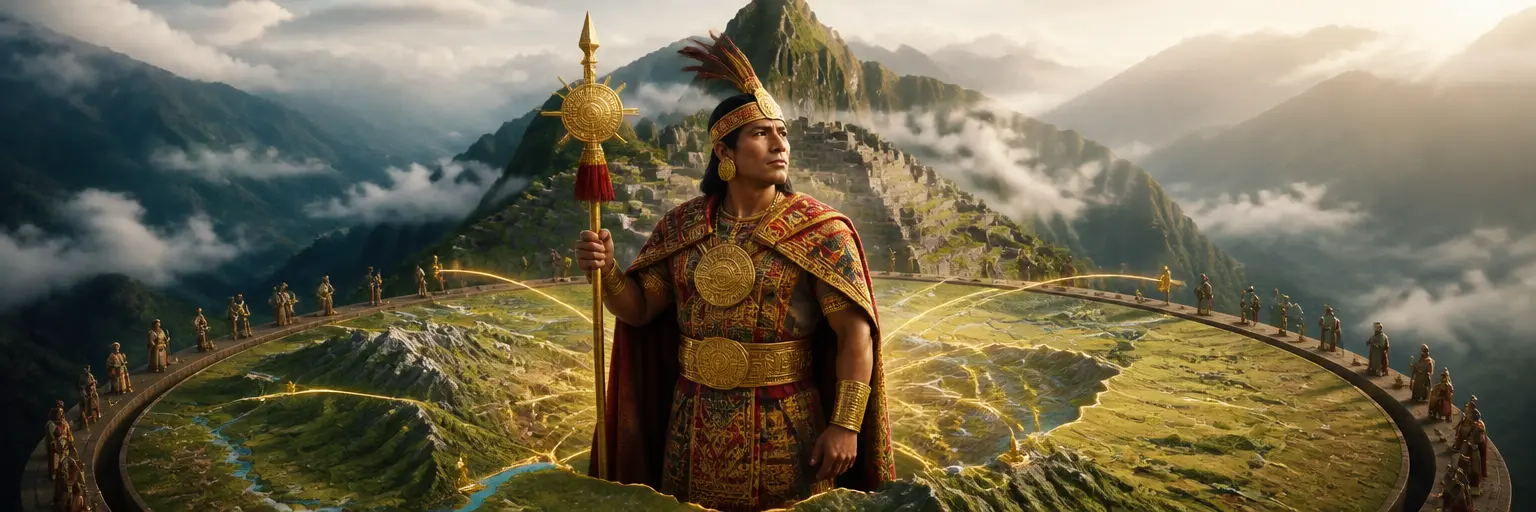
Discover how the Inca Empire grew into one of the greatest civilizations in pre-Columbian America through strategic conquest, diplomacy, and visionary administration. 🏔️ Explore the expansion of Inca territories, the consolidation of diverse peoples, and the powerful systems of roads, governance, agriculture, and culture that connected the Andes. ✨ Uncover the historical forces behind Inca imperial power and its lasting legacy across South America.
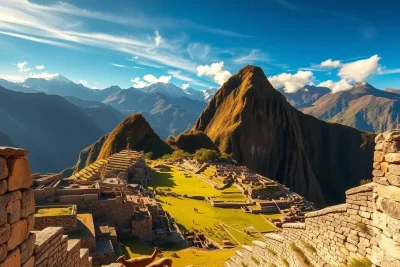
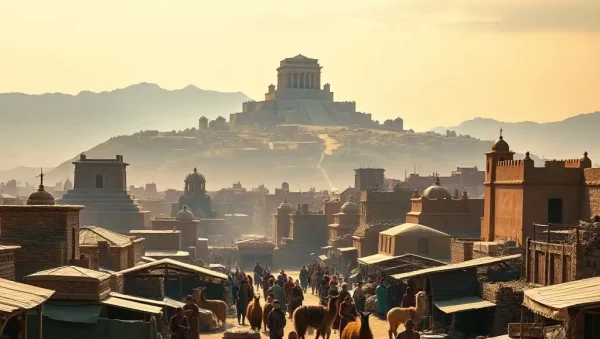
Discover how the Inca Empire transformed from a regional power in the Cusco Valley into the largest and most organized state in pre-Columbian South America. This subcategory explores the military campaigns, diplomatic alliances, administrative reforms, and cultural policies that enabled the Incas to control a vast territory known as Tawantinsuyu. Learn how Inca rulers expanded across the Andes, integrated diverse peoples, and strengthened imperial unity through roads, taxation, religion, labor systems, and strategic settlement planning.
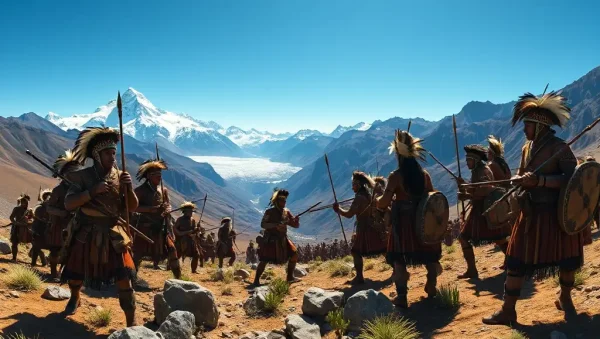
Explore the campaigns that allowed the Incas to conquer extensive areas of present-day Peru, Bolivia, Ecuador, Chile, Argentina, and Colombia. Articles in this section examine the strategies of rulers such as Pachacuti, Túpac Inca Yupanqui, and Huayna Capac, including battlefield organization, fortress construction, troop mobilization, and the use of geography in Andean warfare.
Discover how the Inca army combined discipline, logistics, intelligence, and numerical strength with political negotiation. Military conquest was only one part of imperial expansion; victorious campaigns were often followed by alliances, hostage exchanges, population transfers, and the installation of loyal administrators to maintain long-term control.
Learn how Inca rulers used diplomacy to expand their influence without relying exclusively on force. This section explores negotiations with local chiefs, marriage alliances, tribute agreements, religious diplomacy, and the incorporation of regional elites into the imperial government. These methods helped the Incas manage the cultural and linguistic diversity of the Andes.
Readers will discover how the empire adapted its policies to different communities and political conditions. Local leaders often retained authority when they accepted Inca sovereignty, provided labor and resources, and supported imperial institutions, creating a flexible system of cooperation alongside centralized control.
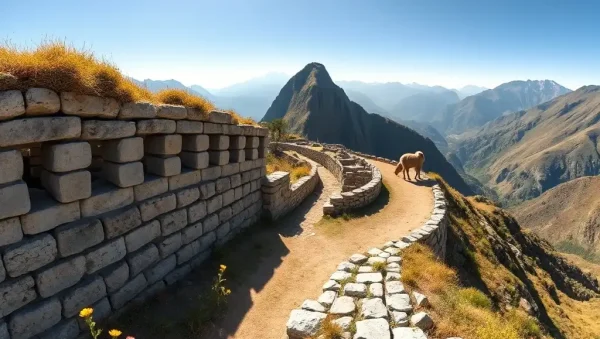
Examine the role of the Inca road system, or Qhapaq Ñan, in consolidating the empire. Thousands of kilometers of roads, bridges, stairways, tunnels, and rest stations connected coastal valleys, highland settlements, and remote frontier regions. These routes supported armies, officials, messengers, merchants, and the movement of food and supplies.
This section also explains how relay runners known as chasquis transmitted information across difficult terrain. Administrative centers, storehouses called qullqas, and carefully planned road networks allowed the Inca state to coordinate taxation, population management, military defense, and emergency distribution throughout Tawantinsuyu.
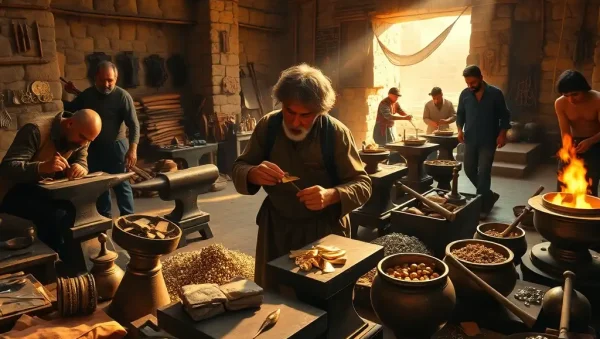
Understand how the Inca economy supported territorial expansion and imperial stability. Rather than depending primarily on coinage or conventional markets, the state organized production and public service through systems such as mit’a. Communities contributed labor for farming, road construction, military service, mining, temple maintenance, and other state projects.
Explore how agricultural terraces, irrigation systems, storehouses, and diverse ecological zones strengthened food security. Economic planning allowed the empire to support armies and populations across challenging mountain environments while redistributing crops, textiles, tools, and other resources during shortages or political emergencies.
Discover how Inca religion helped legitimize imperial rule and connect conquered territories to the sacred world of Cusco. State ceremonies, sun worship, royal ancestor veneration, sacred landscapes, and pilgrimage centers reinforced the authority of the Sapa Inca and presented expansion as part of a divinely ordered system.
The Incas often incorporated local deities and traditions rather than completely eliminating them. This approach encouraged cultural integration while promoting imperial customs, Quechua administration, agricultural rituals, and loyalty to the ruling dynasty. Religion became a powerful instrument of unity, identity, and political legitimacy.
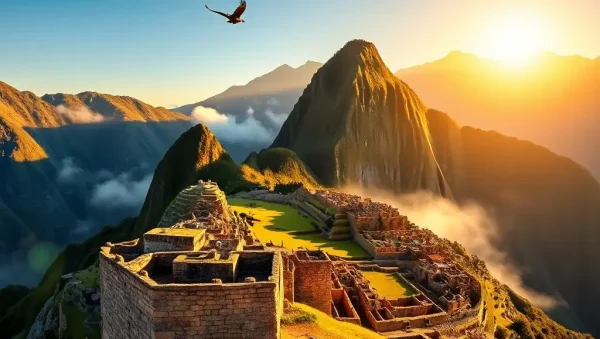
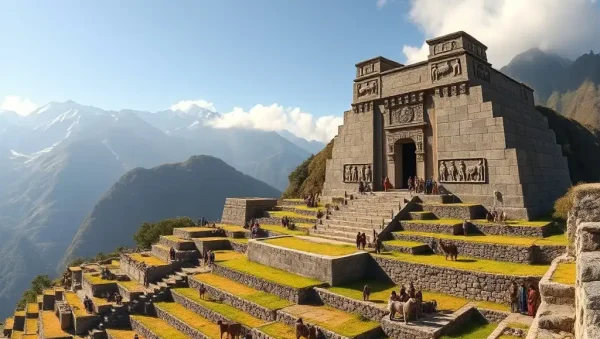
Study the defensive structures and frontier settlements that protected the expanding Inca state. Sites such as Sacsayhuamán, Ollantaytambo, Vilcabamba, and frontier fortifications reveal how architecture supported military planning, political authority, and control of strategic valleys and mountain passes.
Learn how the Incas responded to resistance, rival states, and threats along the borders of Tawantinsuyu. Fortresses were not only military installations; they also served as administrative centers, storage facilities, ceremonial spaces, and symbols of imperial power in recently incorporated regions.
At its greatest extent, the Inca Empire covered much of the western part of South America, including modern Peru, Bolivia, Ecuador, parts of Colombia, Chile, and Argentina. It stretched along the Andes and encompassed extremely varied environments, from coastal deserts and fertile valleys to high-altitude plateaus and tropical forest margins.
Pachacuti is widely recognized as the ruler who transformed the Cusco kingdom into an imperial power. His successors, especially Túpac Inca Yupanqui and Huayna Capac, continued major campaigns and extended Inca authority across large areas of the Andes through conquest, diplomacy, and administrative consolidation.
No. Although the Inca army was highly organized, expansion also depended on diplomacy, alliances, negotiation, religious influence, and economic incentives. Local communities could preserve aspects of their leadership and traditions if they accepted imperial obligations such as labor service, tribute, and political loyalty.
The empire used a complex administrative system based on regional governors, local leaders, road networks, storehouses, labor obligations, and population records. The Qhapaq Ñan and chasqui relay runners enabled the rapid movement of people, goods, and information between Cusco and distant provinces.
Consolidation created a powerful but highly centralized state capable of organizing resources and mobilizing large populations. However, internal tensions, recent conquests, succession disputes, and the civil war between Atahualpa and Huáscar weakened the empire shortly before the Spanish invasion, making the political situation more vulnerable.