
Inca Religion and Rituals
Read more about this topic
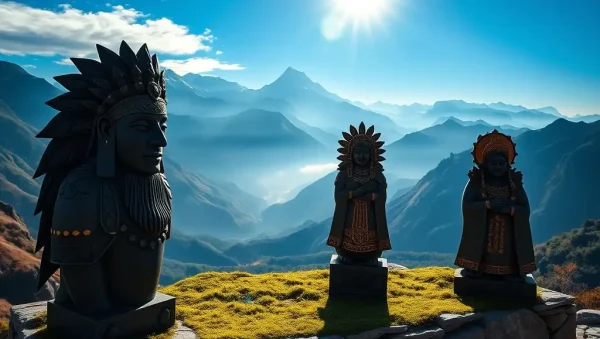
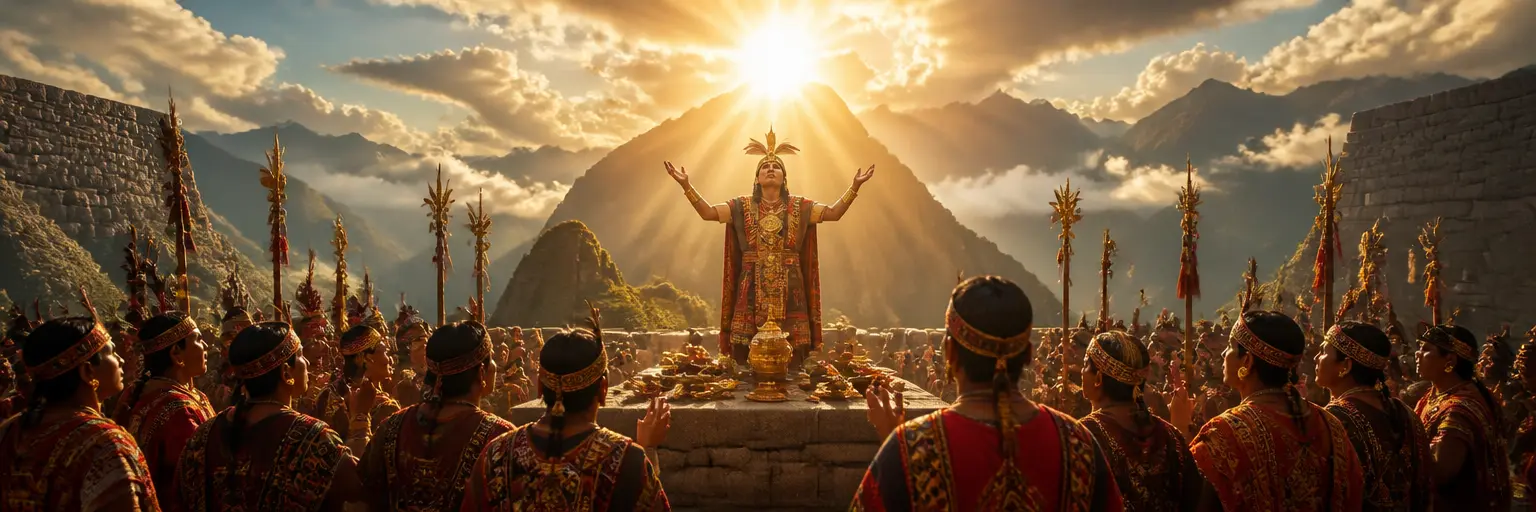
Explore the spiritual world of the Inca Empire 🌞, where religion, sacred rituals, and Andean cosmology shaped daily life, politics, agriculture, and cultural identity. Discover the worship of powerful deities such as Inti and Pachamama, the importance of huacas and sacred landscapes, and the ceremonies, offerings, festivals, and priestly traditions that connected communities with the natural and supernatural realms. 🏔️ Learn how Inca beliefs influenced one of history’s most remarkable civilizations.
60 articles
All articles in Inca Religion and Rituals
The Significance of Dreams and Visions in Inca Religious Life
Divination and Prophecy: Unveiling the Inca's Methods of Seeking Guidance
The Use of Sacred Geometry in Inca Temple Design and Symbolism
The Impact of Inca Religion on Social and Political Structures
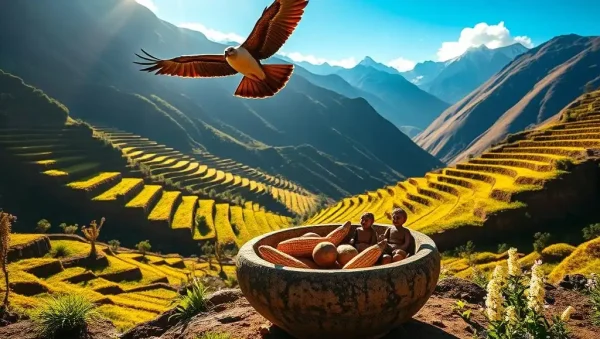
The Importance of Agriculture in Inca Religious Life and Offerings
The Spiritual Significance of the Rainbow in Inca Beliefs
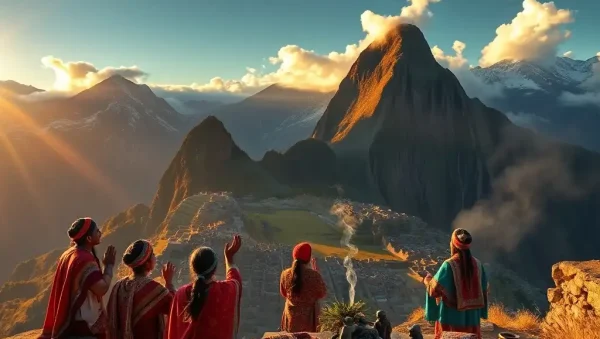
Exploring the Inca's Belief in the Power of Prayer and Invocation
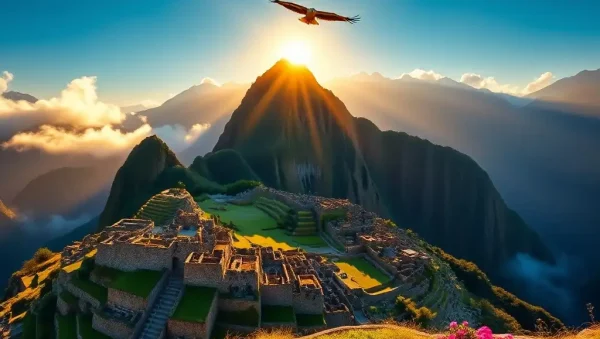
The Inca's Relationship with Nature and the Spiritual World
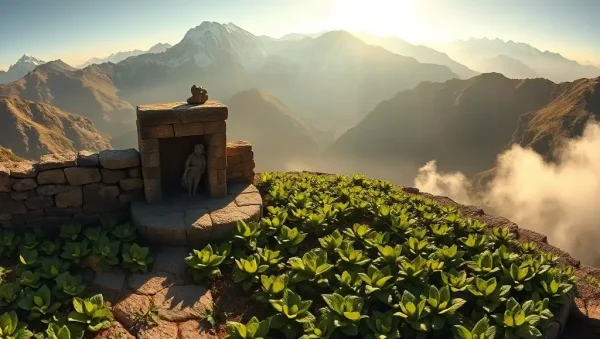
The Significance of Coca Leaves in Inca Religious Practices
Inca Religion and Rituals: Sacred Beliefs of the Inca Empire
Discover the spiritual world of the Inca Empire through this comprehensive collection on Inca religion and rituals. Explore how the Incas understood the universe, honored powerful deities, interpreted nature, and connected political authority with sacred tradition. From the worship of Inti, the sun god, to offerings made to the mountains, rivers, ancestors, and the earth, Inca spirituality shaped everyday life across the Andes. At Andean Civilizations, readers can learn how religion influenced Inca society, architecture, agriculture, festivals, royal ceremonies, and the imperial expansion of Tawantinsuyu.
☀️ Inca Gods, Deities, and Sacred Powers
Learn about the principal gods of the Inca pantheon, including Inti, the sun god; Viracocha, the creator deity; Pachamama, the earth mother; and Illapa, the god associated with thunder, rain, and storms. Articles in this subcategory explain the roles, symbols, myths, and regional interpretations connected with these important Inca deities.
Readers can also discover how worship differed between the imperial capital of Cusco and the many provinces of the Inca Empire. Inca mythology often incorporated local gods and sacred traditions, creating a flexible religious system that supported both cultural diversity and imperial unity.
🏔️ Sacred Landscapes, Huacas, and Apus
Inca religion was deeply connected to the natural world. Explore the meaning of huacas, sacred places and objects that could include temples, springs, stones, caves, trees, and mountains. Learn how apus, or sacred mountain spirits, were respected as powerful protectors of communities, animals, crops, and travelers.
This section examines the religious importance of the Andes landscape, including sacred valleys, lakes, rivers, and mountain peaks. Discover how sites such as Machu Picchu, Cusco, and Lake Titicaca were associated with creation stories, pilgrimage, ritual movement, and the spiritual geography of the Inca world.
🔥 Inca Offerings, Sacrifices, and Ceremonial Practices
Explore the offerings used in Inca religious ceremonies, including maize beer known as chicha, coca leaves, textiles, shells, precious metals, food, animals, and carefully prepared figurines. These offerings were made to request protection, fertility, good harvests, favorable weather, or success in warfare and political affairs.
Readers will also learn about capacocha, a major state ritual involving carefully selected children and offerings at important sacred locations. This topic is presented within its historical and cultural context, helping visitors understand how sacrifice, devotion, political authority, and relationships between the living, the dead, and the gods were connected in Inca society.
🌽 Festivals, Calendars, and Agricultural Rituals
Discover the major festivals of the Inca religious calendar, including Inti Raymi, the Festival of the Sun, and ceremonies connected with planting, harvest, rain, and seasonal change. These celebrations combined prayers, music, dance, processions, feasting, sacrifice, and public displays of imperial power.
Inca rituals helped communities coordinate agricultural life in a challenging Andean environment. Learn how religious ceremonies reflected the importance of maize, llamas, water, fertility, and the relationship between human communities and the forces believed to control nature.
👑 The Sapa Inca, Priests, and Religious Authority
Religion and government were closely connected in the Inca Empire. Explore the sacred status of the Sapa Inca, who was regarded as a descendant of Inti and served as a central figure in political, military, and ceremonial life. Discover how royal rituals reinforced the legitimacy of the ruling dynasty and the authority of Cusco.
This section also introduces the roles of priests, diviners, temple attendants, acllas, and other religious specialists. Readers can learn how ceremonies were organized, how omens were interpreted, and how religious institutions managed temples, offerings, sacred objects, and important festivals throughout Tawantinsuyu.
🏛️ Temples, Sacred Architecture, and Religious Art
Examine the temples and ceremonial buildings that expressed Inca religious beliefs through architecture. The Qorikancha, or Temple of the Sun in Cusco, is a central example of Inca sacred architecture, while sites such as Sacsayhuamán, Pisac, Ollantaytambo, and Machu Picchu reveal the importance of astronomy, stonework, landscape, and ritual design.
Readers can also explore Inca religious art, including golden objects, ceremonial textiles, carved stones, kero vessels, miniature figurines, and symbolic representations of animals and natural forces. These materials offer valuable insight into how the Incas communicated sacred ideas through color, craftsmanship, geometry, and ritual use.
🕯️ Ancestor Worship, Mummies, and the Afterlife
Ancestor veneration was a fundamental part of Inca spirituality. Learn how deceased rulers could remain influential through preserved bodies, royal estates, ritual care, and ceremonial appearances. The Inca understanding of death did not necessarily mean the end of social or political relationships.
This section explores beliefs about the Inca afterlife, funerary traditions, mummification, burial goods, and the continuing role of ancestors in family and state ceremonies. Discover how the dead were honored as sources of identity, protection, legitimacy, and historical memory.
📜 Spanish Conquest, Religious Change, and Historical Sources
Understand how Spanish conquest, Catholic evangelization, colonial policies, and the destruction of temples affected Inca religion. Many indigenous traditions survived through adaptation, secrecy, oral transmission, and religious blending, contributing to the Andean cultural practices visible today.
Articles also examine the evidence used to study Inca spirituality, including Spanish chronicles, archaeological discoveries, colonial documents, oral traditions, architecture, textiles, and iconography. Because many early written accounts were created by outsiders, careful comparison of sources is essential for understanding Inca beliefs and rituals accurately.
❓ Frequently Asked Questions About Inca Religion and Rituals
What did the Incas believe about religion?
The Incas believed that gods, ancestors, spirits, and sacred forces influenced the natural and human worlds. Their religion included the worship of deities such as Inti and Viracocha, reverence for Pachamama and mountain spirits, ancestor worship, offerings, divination, and ceremonies connected with agriculture, politics, warfare, and the changing seasons.
Who was the most important Inca god?
Inti, the sun god, was one of the most important deities in the Inca Empire. The ruling Sapa Inca was traditionally considered a descendant of Inti, which helped connect imperial power with divine authority. However, Viracocha, Pachamama, Illapa, and local huacas were also highly significant in Inca religious life.
What was Inti Raymi?
Inti Raymi was the Festival of the Sun, a major Inca celebration held during the winter solstice in the Southern Hemisphere. It honored Inti, asked for prosperity and agricultural success, and displayed the power of the Sapa Inca and the imperial state. Modern celebrations draw inspiration from historical accounts and Andean traditions.
What were huacas in Inca religion?
Huacas were sacred beings, places, objects, or natural features believed to possess spiritual power. A huaca might be a mountain, spring, cave, stone, temple, ancestor, or ceremonial object. Communities cared for their huacas through offerings, rituals, pilgrimages, and local traditions.
Did the Incas practice human sacrifice?
Historical and archaeological evidence indicates that human sacrifice occurred in exceptional state ceremonies, particularly through the capacocha ritual. These events were not ordinary daily practices and were associated with major religious, political, or environmental circumstances. Inca rituals more commonly involved offerings such as food, coca, textiles, chicha, animals, and precious objects.