The Inca Empire


Discover the ingenuity of Inca agriculture and resource management 🌽⛰️—from ingenious terrace farming and irrigation systems to carefully organized storage networks that sustained communities across the Andes. Explore how the Inca Empire adapted to challenging landscapes, cultivated diverse crops, and managed land, water, labor, and food supplies with remarkable efficiency. Gain insight into the agricultural technology, environmental knowledge, and sustainable practices that helped shape one of South America’s greatest civilizations.
Discover how the Inca Empire developed one of the most sophisticated agricultural and resource management systems in the ancient Americas. This subcategory explores Inca farming techniques, high-altitude agriculture, terraced fields, irrigation networks, food storage, labor organization, and the careful use of land and water across the Andes. As part of Andean Civilizations, these articles reveal how the Incas supported cities, armies, communities, and long-distance trade in some of the world’s most challenging landscapes.
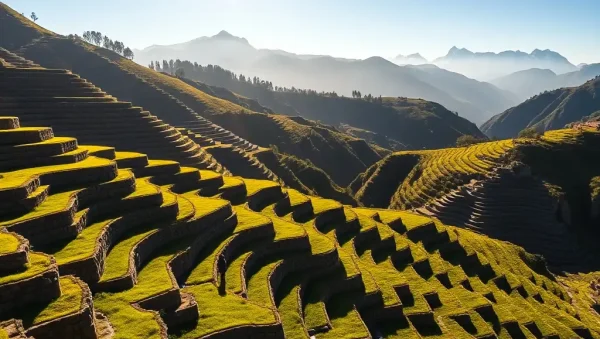
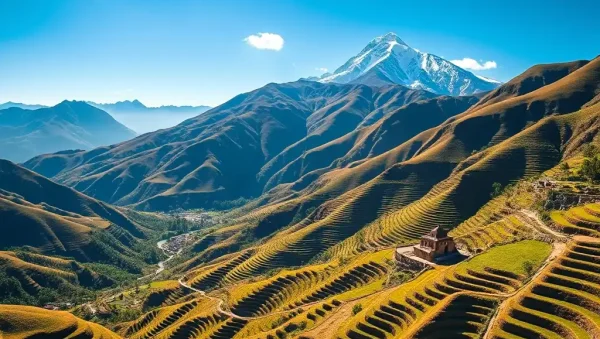
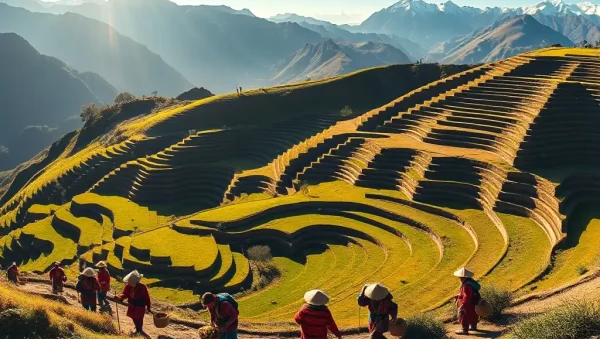
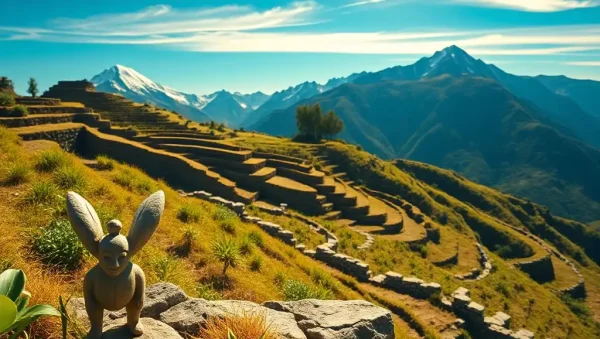
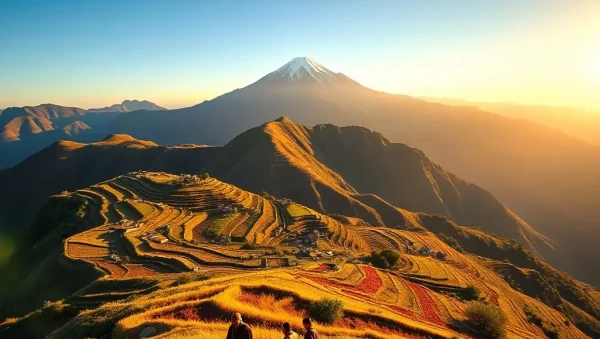
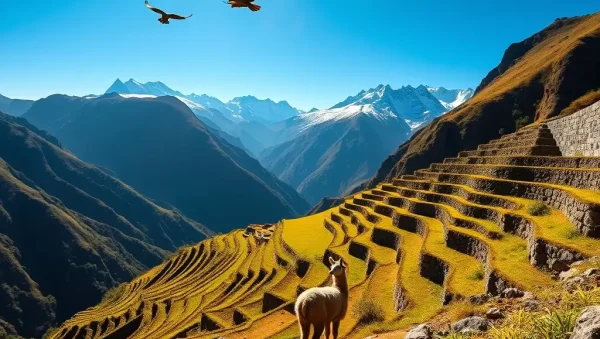
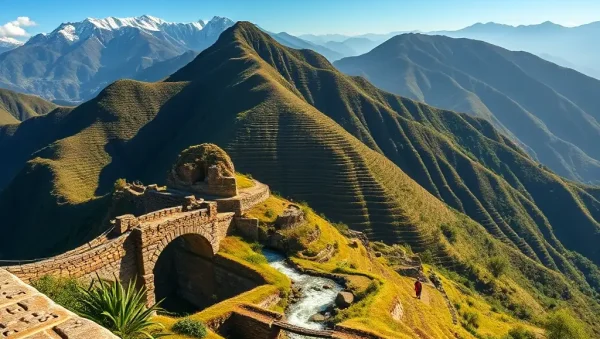
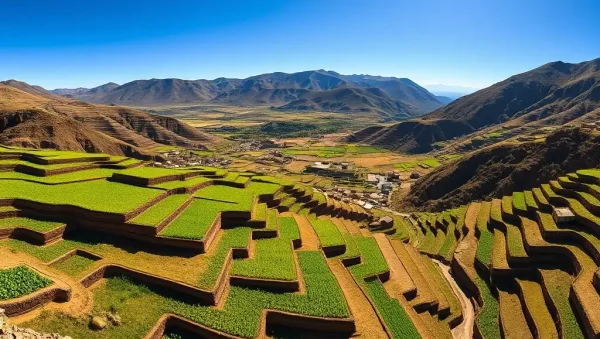
Learn how the Incas transformed steep Andean slopes into productive farmland through agricultural terraces, known as andenes. These engineered platforms reduced soil erosion, improved drainage, retained moisture, and created warmer microclimates for growing crops at different elevations.
Readers can explore the construction, purpose, and regional importance of Inca terraces near Cusco, the Sacred Valley, and other parts of the Andes. Discover how terrace farming supported maize, potatoes, quinoa, and other essential crops while demonstrating the relationship between Inca engineering and environmental adaptation.
Water was central to Inca agriculture, and this section examines the canals, reservoirs, springs, channels, and fountains used to distribute water across mountain communities. These systems helped farmers cultivate dry valleys, manage seasonal rainfall, and maintain reliable food production.
Find detailed information about Inca irrigation technology and the cultural importance of water in the Andean world. Articles explain how hydraulic engineering supported agriculture, ceremonial sites, settlements, and public infrastructure while reflecting the Incas’ organized approach to natural resource management.
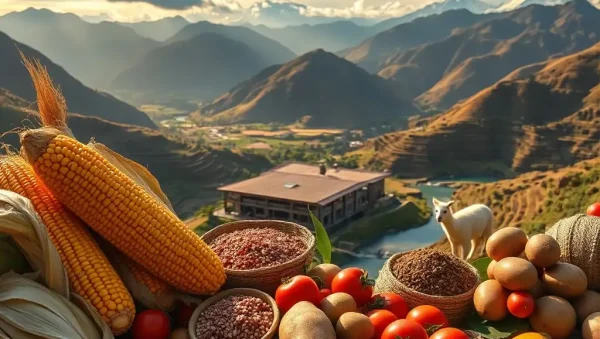
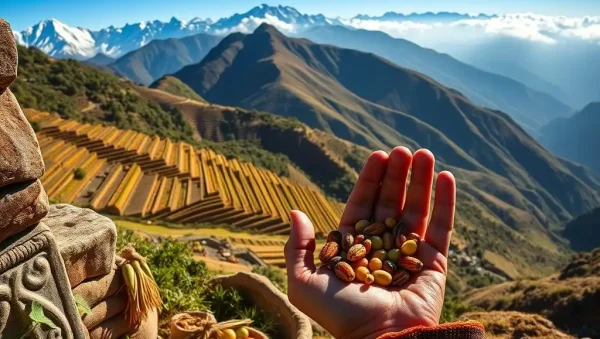
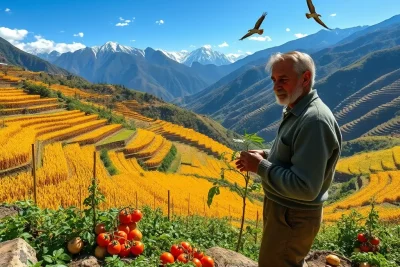
Explore the diverse crops cultivated by Inca farmers, including maize, potatoes, quinoa, amaranth, coca, chili peppers, beans, and squash. The Inca Empire benefited from the remarkable biodiversity of the Andes, where communities grew different crops according to altitude, climate, and soil conditions.
This section also examines crop domestication, seed preservation, farming calendars, and the importance of native Andean plants. Readers will discover how Inca food production created dietary resilience and helped communities adapt to frost, drought, steep terrain, and other environmental challenges.
Discover how the Incas stored agricultural surpluses in specially designed storehouses called qollqas. Built in strategic locations, these facilities held maize, potatoes, chuño, textiles, tools, and other supplies needed by local communities, officials, travelers, and the imperial army.
Learn how ventilation, elevation, drying, and preservation techniques helped protect food from moisture and spoilage. The study of Inca food storage systems offers valuable insight into imperial planning, famine prevention, taxation, redistribution, and the economic strength of the Inca state.
Inca agriculture depended on collective labor and social cooperation. This section explores ayllu communities, ayni reciprocity, minka communal work, and mit’a labor obligations, showing how farming and infrastructure projects were organized throughout the empire.
Readers will learn how the state coordinated agricultural work, managed seasonal labor, and redistributed resources among different populations. These practices reveal the connection between Inca economy, social responsibility, political authority, and the daily lives of farmers in the Andes.
The Incas developed practical responses to difficult Andean conditions, including high altitude, frost, drought, intense sunlight, and unpredictable rainfall. Articles in this section examine raised fields, soil improvement, crop diversity, terrace construction, and other methods of environmental adaptation.
Discover why Inca resource management remains relevant to modern discussions of sustainable agriculture. The combination of local knowledge, biodiversity, water conservation, and community cooperation provides an important example of how ancient societies managed fragile mountain environments.
The Incas used terrace farming, irrigation canals, raised fields, crop rotation, fertilization, and careful planting schedules. These methods helped them grow food efficiently in steep, high-altitude environments.
Terraces created level areas for cultivation, reduced erosion, improved water control, and moderated temperature. They allowed farmers to produce crops on mountain slopes that would otherwise be difficult or impossible to farm.
Inca communities built canals, reservoirs, fountains, drainage systems, and aqueduct-like channels to move and conserve water. Water management supported agriculture, settlements, religious sites, and public works across the empire.
They dried, freeze-dried, and stored food in qollqas. Potatoes were processed into chuño, while maize and other crops were carefully preserved to create dependable supplies during hardship, military campaigns, or poor harvests.
Important crops included potatoes, maize, quinoa, beans, squash, amaranth, chili peppers, and coca. Potatoes supported highland communities, while maize held major nutritional, economic, political, and ceremonial importance.