The Inca Empire

Discover Inca society and daily life through the traditions, social structure, family customs, clothing, food, work, and beliefs that shaped the Inca Empire. 🏔️ Explore how communities lived, farmed, traded, celebrated, and honored their connection to nature in the heart of the Andes. ✨
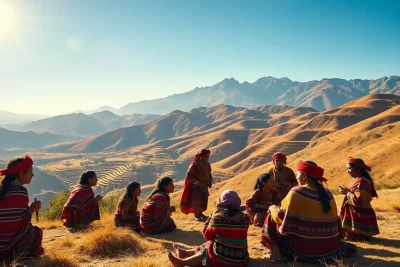
Explore Inca society and daily life through the traditions, responsibilities, beliefs, and achievements that shaped the Inca Empire. This subcategory examines how people lived across the Andes, from the royal court in Cusco to farming communities, mountain settlements, and provincial centers. Learn about Inca social classes, family life, agriculture, clothing, food, religion, education, labor, and community organization while discovering how the empire governed one of the largest civilizations in pre-Columbian South America.
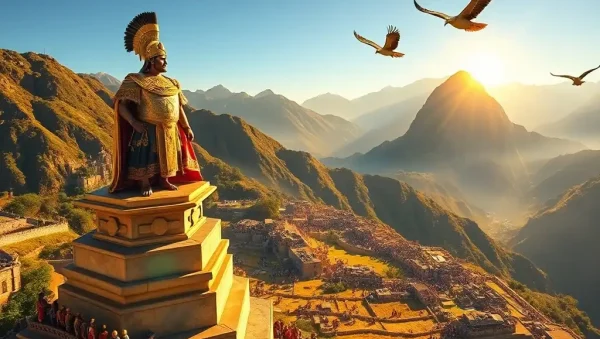
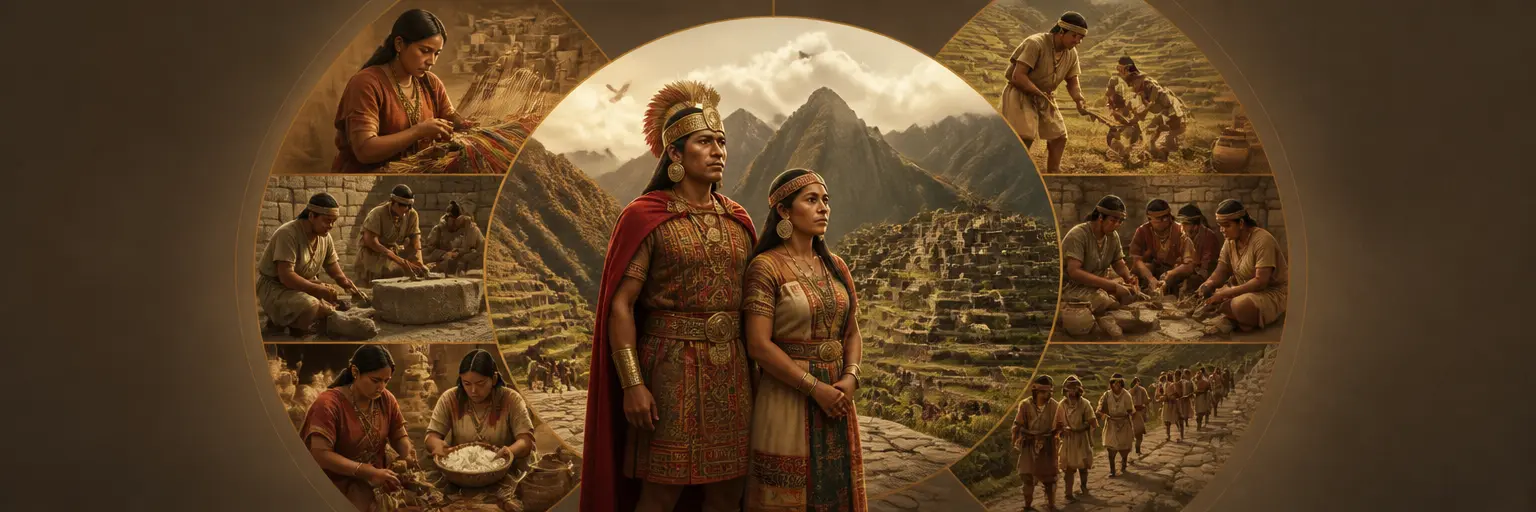
Readers can discover how Inca society was organized into social groups, including the Sapa Inca, royal families, nobles, priests, administrators, artisans, farmers, and laborers. Articles explore the role of the emperor, the importance of Cusco, and the relationships between local leaders and the central government.
This section also explains how status influenced housing, clothing, responsibilities, marriage, and access to resources. Learn how social hierarchy in the Inca Empire supported political authority while still connecting communities through shared duties, traditions, and religious beliefs.
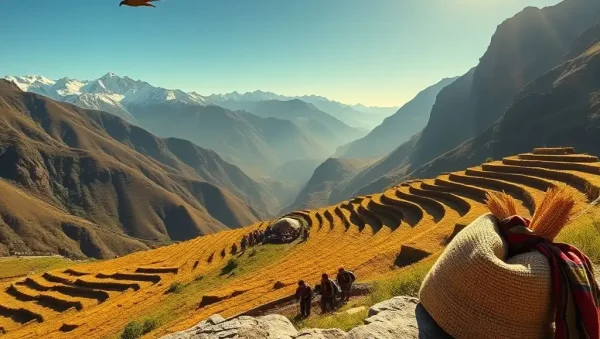
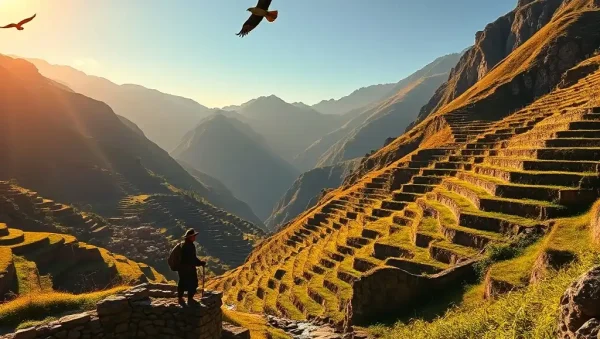
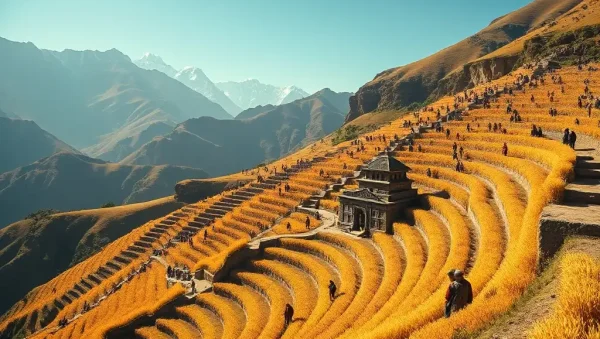
Explore the agricultural foundations of daily life in the Inca Empire, including the cultivation of potatoes, maize, quinoa, beans, and other Andean crops. Readers will learn how farmers used terraces, irrigation, raised fields, and careful food storage to produce crops in challenging mountain environments.
Discover what Inca people ate, how food was preserved, and why storehouses called qullqas were essential to the empire. Content also examines agricultural festivals, communal farming, and the relationship between food production, climate, and Inca government.
Learn what homes looked like in different parts of the Andes and how families organized their daily routines. Articles cover traditional Inca houses, building materials, household tools, family responsibilities, and the role of extended relatives in village life.
Readers can also explore the importance of the ayllu, a community based on kinship, shared land, mutual support, and common obligations. Understanding the ayllu reveals how Inca communities worked together in farming, construction, ceremonies, and local decision-making.
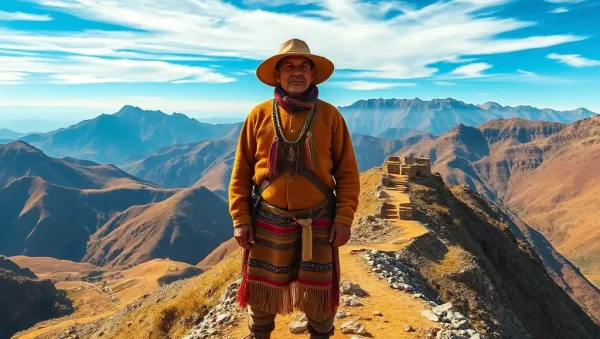
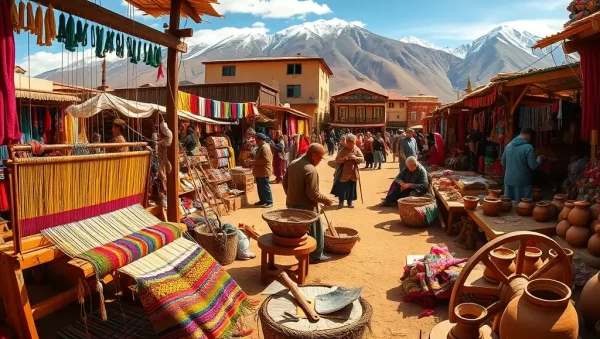
Discover why clothing was more than protection from the Andean climate. Inca textiles communicated social status, regional identity, occupation, and political loyalty. Explore garments such as tunics, mantles, sandals, headdresses, and ceremonial clothing.
This section examines the importance of weaving, the work of skilled textile makers, and the value of fine cloth in Inca culture. Readers will learn how colors, patterns, materials, and designs reflected rank and helped express identity throughout the empire.
Explore the religious beliefs that shaped Inca daily life, including worship of the Sun god Inti, sacred mountains known as apus, the earth mother Pachamama, ancestors, and other spiritual forces. Religion influenced farming, royal ceremonies, architecture, healing, and political authority.
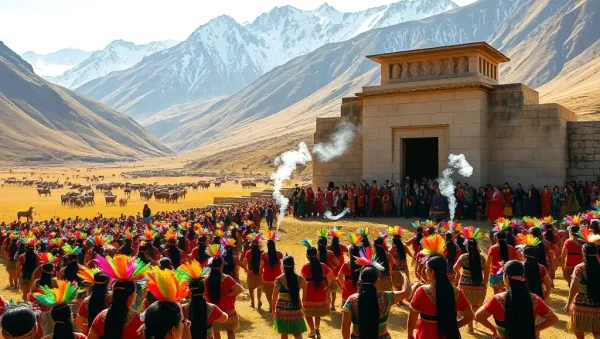
Readers can learn about major celebrations such as Inti Raymi, offerings, pilgrimages, priests, and sacred spaces. These traditions help explain how the Incas understood nature, time, community, and the connection between the living and the spirit world.
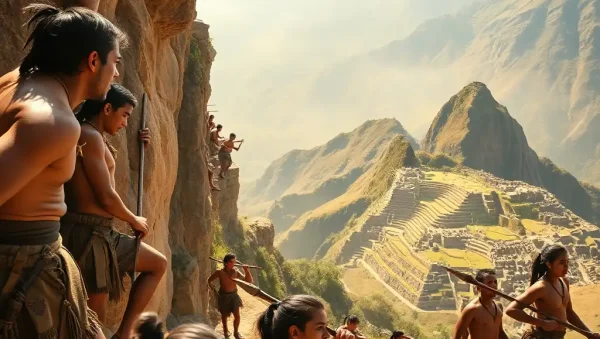
Learn how labor supported the economy and administration of the Inca Empire. The mit’a labor system required communities to contribute time to public projects, military service, agriculture, road construction, mining, or government work rather than paying taxes in money.
This section explores how labor obligations were organized and how they helped build roads, bridges, temples, terraces, and storehouses. Readers will also gain insight into the responsibilities of farmers, builders, administrators, soldiers, and craft specialists.
Discover how the Incas preserved knowledge and trained people for important roles in government, religion, warfare, and record keeping. Topics include elite education in Cusco, oral traditions, astronomy, medicine, engineering, and the use of quipu recording devices.
Readers can explore how information traveled across the empire through roads, messengers, administrators, and local leaders. This reveals the sophistication of Inca organization, communication, and state administration despite the absence of a conventional written alphabet.
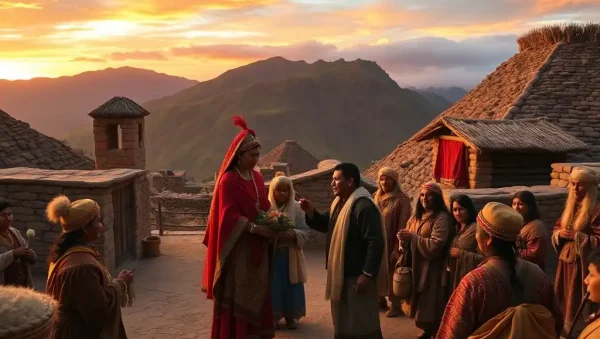
Daily life usually centered on farming, family, community responsibilities, religion, and labor obligations. People worked according to their social position and local environment, while festivals, markets, ceremonies, and communal activities brought communities together.
The ayllu was a community based on family connections, shared land, mutual assistance, and collective responsibilities. It played a major role in agriculture, social support, religious traditions, and the organization of labor for the Inca state.
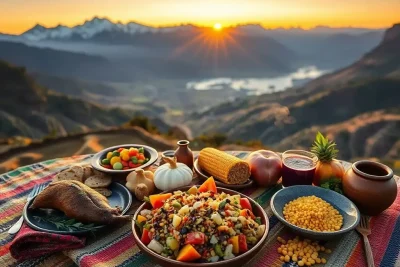
Common Inca foods included potatoes, maize, quinoa, beans, peppers, squash, and various fruits. Meat such as guinea pig, llama, alpaca, and fish was also consumed in different regions. Food was often dried or stored for later use.
The mit’a system required communities to provide labor for public projects and state needs. People might construct roads, terraces, bridges, temples, or storehouses, serve in the army, or work in agriculture and mining for a specific period.
Textiles were valuable economic, cultural, and political goods. Their materials, colors, patterns, and quality could indicate a person’s status or regional identity. Fine cloth was also used in ceremonies, tribute, diplomacy, and religious offerings.