
Echoes of Innovation: Uncovering Technological Advancements in PreIncan Highlands

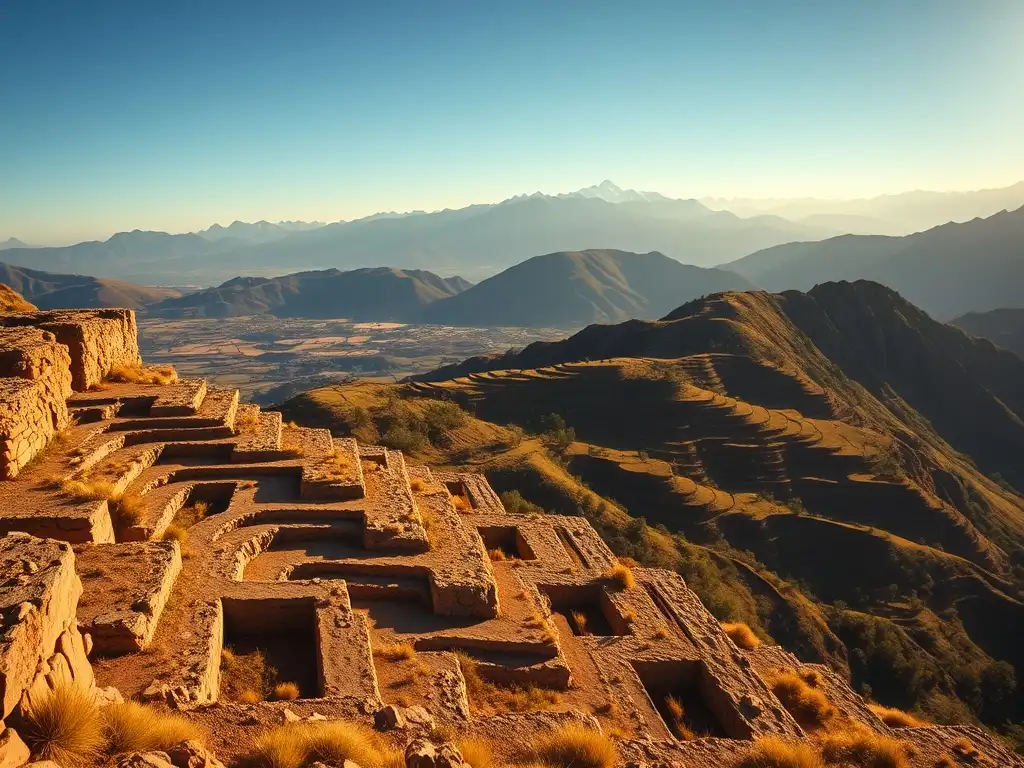
Step into a world lost to time, yet echoing with ingenuity. Prepare to be amazed by the remarkable PreInca Andean technological innovations that shaped the Andes long before the Inca Empire. From sophisticated irrigation systems to breathtaking architectural feats, discover the secrets of a civilization that defied the harsh mountain terrain and left an enduring legacy. Unravel the mysteries of their advancements in this exploration of Pre-Incan Cultures of the Highlands, and witness the echoes of their brilliance. Dare to delve deeper?
The towering peaks of the Andes Mountains witnessed not only breathtaking landscapes but also the rise of remarkably innovative civilizations long before the Inca Empire. This article delves into the fascinating world of Pre-Inca Andean technological advancements, exploring the ingenuity and resourcefulness of cultures like the Wari, Tiwanaku, and Moche, who shaped the highlands with their impressive engineering feats and sophisticated technologies.
We'll uncover the secrets behind their architectural marvels, intricate irrigation systems, and advanced metallurgical techniques, showcasing the remarkable level of societal organization and technological prowess that flourished in the Andes before the arrival of the Inca. Understanding these pre-Inca innovations provides crucial context for appreciating the full scope of Andean civilization and its lasting impact on the region.
Prepare to be amazed by the echoes of innovation that resonate through the ages, revealing a rich tapestry of human ingenuity in the face of challenging terrain and environmental conditions. This exploration of "Pre-Inca Andean technological innovations" will illuminate the ingenuity of these remarkable societies and their contributions to the wider Andean legacy.
Introduction to Pre-Inca Technological Marvels
The Pre-Inca period in the Andes (roughly 1500 BCE – 1438 CE) was a time of significant technological development. Far from being a simple precursor to the Inca, this era saw the independent flourishing of multiple complex societies, each with its own unique technological achievements. These advancements were not isolated incidents but rather the result of centuries of cumulative knowledge, adaptation to the harsh environment, and sophisticated social organization.
The impressive scale and complexity of their achievements in areas such as agriculture, architecture, metallurgy, and textiles speak volumes about their understanding of engineering principles, material science, and social planning. We will focus on some of the most significant examples, highlighting their impact on the later Inca and the enduring legacy they left on the Andean landscape.
The development of these technologies wasn't solely driven by practical needs; they also played a crucial role in shaping social structures, religious beliefs, and political power. Monumental architecture, for example, served not only as functional structures but also as powerful symbols of authority and religious significance. Similarly, sophisticated irrigation systems fostered agricultural surplus, which in turn supported larger populations and more complex social hierarchies. This intricate interplay between technology, society, and religion is key to understanding the vibrant and innovative cultures of the Pre-Inca Andes.
Early Andean Engineering and Construction Techniques
The harsh Andean environment presented significant challenges to construction, demanding innovative solutions for building durable and functional structures. Pre-Inca engineers mastered techniques that allowed them to adapt to the steep slopes, seismic activity, and variable weather conditions of the region. Their expertise in stonework, particularly in the meticulous fitting of massive stones without mortar, is a testament to their advanced knowledge of engineering and their ability to organize large-scale labor projects.
The precision and artistry displayed in these constructions are truly remarkable, showcasing a deep understanding of geometry and structural integrity. These techniques would influence later Andean builders, including the Inca, demonstrating the enduring impact of Pre-Inca ingenuity.
Advanced Stone Masonry in Tiwanaku Settlements
The Tiwanaku civilization (c. 500 CE – 1000 CE), located near present-day Lake Titicaca, is renowned for its impressive mastery of stone masonry. Their monumental structures, such as the Kalasasaya Temple and the Akapana pyramid, are composed of precisely cut and fitted blocks of andesite, a hard volcanic rock. The precision with which these stones were shaped and placed is astonishing, with many fitting together without the use of mortar.
The exact techniques employed remain a subject of ongoing research, but it's clear that the Tiwanaku people possessed advanced knowledge of stone cutting, transportation, and construction. The scale and complexity of these structures reflect a highly organized society with sophisticated engineering capabilities.
The sheer size and weight of some of these stones, along with their precise placement, suggest a deep understanding of physics and engineering principles far beyond what was previously assumed for this period. Further research could reveal even more about their techniques and the level of social organization required to achieve such feats.
Pre-Inca Water Management Systems: Wari Canals and Aqueducts
The Wari civilization (c. 600 CE – 1000 CE), another prominent Pre-Inca culture, developed sophisticated water management systems to support their extensive agricultural production in the arid highlands. Their network of canals and aqueducts, some extending for kilometers, efficiently channeled water from rivers and springs to irrigate their fields. These systems not only ensured a reliable water supply but also played a crucial role in shaping the landscape and supporting a large population.
The construction of these canals and aqueducts required advanced surveying and engineering skills, as well as significant labor organization. The ingenuity and scale of the Wari water management systems are a testament to their understanding of hydrology and their ability to harness natural resources to support their society. The precise alignment of some canals suggests the use of sophisticated surveying techniques, potentially incorporating astronomical observations.
These systems also showcase a deep understanding of water flow, terrain management, and sustainable agricultural practices. The Wari's success in managing water resources represents a significant technological achievement that had a lasting impact on subsequent Andean civilizations.
Agricultural Innovations of Pre-Inca Highland Cultures
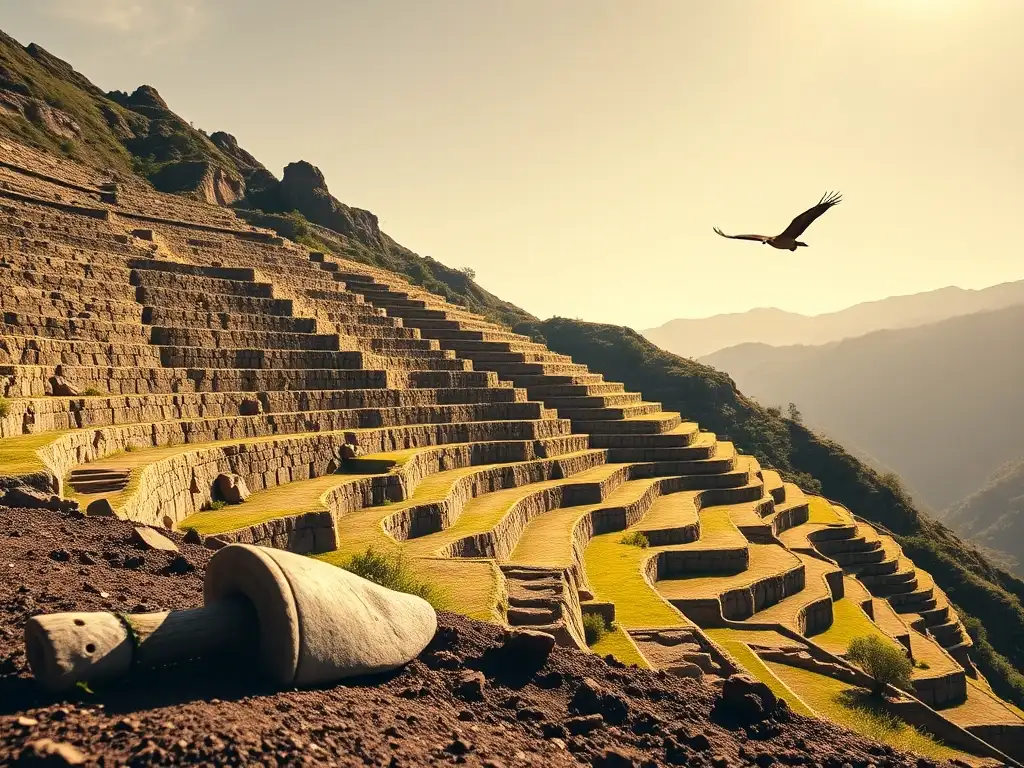
The pre-Inca Andean civilizations developed sophisticated agricultural techniques to thrive in the challenging high-altitude environments of the Andes Mountains. Their ingenuity in adapting to these conditions is a testament to their deep understanding of their environment and a remarkable example of early technological innovation. These advancements were crucial for supporting large populations and complex social structures long before the Inca Empire.
The challenges posed by steep slopes, unpredictable rainfall, and thin soils spurred the development of innovative farming practices that shaped the landscape and continue to inspire modern agricultural practices. The ingenuity of these ancient cultures is evident in their mastery of water management, soil conservation, and crop diversification, showcasing a remarkable level of technological sophistication for their time. Their agricultural innovations were not merely practical solutions; they were integral to their cultural and religious beliefs, highlighting the interconnectedness of their technology and worldview.
Terraced Farming in the Colca Valley
The Colca Valley in southern Peru provides a striking example of pre-Inca agricultural prowess. The valley's steep slopes presented a significant challenge to farming, but the pre-Inca inhabitants overcame this obstacle through the creation of extensive terraced farming systems. These terraces, meticulously carved into the mountainsides, significantly increased the amount of arable land available.
The terraces not only provided more space for cultivation but also helped to control erosion, retain moisture, and regulate water flow. The precise engineering and construction of these terraces demonstrate a deep understanding of both agricultural principles and the local topography. The scale of the undertaking, involving the coordination of considerable labor and resources, speaks to the advanced social organization of these pre-Inca communities.
The enduring legacy of these terraces is visible today, a testament to the remarkable skill and foresight of their creators. Archaeological evidence continues to reveal new insights into the construction methods and the social dynamics that underpinned this impressive feat of engineering.
Pre-Inca Potato Domestication and Variety
The potato ( Solanum tuberosum) is synonymous with Andean agriculture, but its domestication and diversification predate the Inca Empire by millennia. Pre-Inca cultures cultivated a wide variety of potato species, adapted to different altitudes and climatic conditions. Their understanding of plant genetics and their ability to select and cultivate specific varieties demonstrate a deep knowledge of agricultural science. The development of diverse potato cultivars was essential for ensuring food security in the face of environmental variability. This genetic diversity also provided a crucial buffer against crop failures, ensuring the resilience of the agricultural system. The pre-Inca societies not only domesticated the potato but also developed techniques for storing and preserving it, ensuring its availability throughout the year. This technological ingenuity was crucial for supporting their population and social organization. Further research continues to uncover the extent of this early potato domestication and its impact on the development of Andean civilizations.
Andean Irrigation Techniques Before the Inca Empire in the Moche Region
The Moche civilization, flourishing on the northern coast of Peru between 100 and 800 CE, mastered sophisticated irrigation techniques. The arid coastal desert presented a significant challenge to agriculture, but the Moche people developed ingenious systems to harness water resources and bring life to the otherwise barren landscape. They built extensive canal networks, diverting water from rivers and streams to irrigate their fields.
These canals were meticulously engineered, often traversing challenging terrain and incorporating ingenious features such as aqueducts and reservoirs. The construction of these systems required a high degree of cooperation and organization, reflecting the advanced social structure of the Moche civilization. The success of their irrigation systems allowed them to cultivate a wide range of crops, supporting a large and densely populated society.
Their ingenuity in water management continues to be studied and admired, representing a significant advancement in pre-Inca Andean technology. The Moche's mastery of irrigation was not just about practicality; it was deeply integrated into their religious and cosmological beliefs.
Metallurgical Advancements in Pre-Inca Societies
Pre-Inca Andean societies made remarkable advancements in metallurgy, developing sophisticated techniques for extracting, refining, and working metals. Their expertise in metalworking is evident in the intricate artifacts and tools they produced, showcasing their advanced knowledge of materials science and their capacity for intricate craftsmanship. The development of metalworking technologies played a crucial role in the social and political development of these societies, influencing warfare, religious practices, and social hierarchies.
The metals they worked with, primarily copper, gold, silver, and bronze, were not only used for functional tools but also for elaborate ornaments and religious objects, reflecting their cultural significance. The techniques they employed were remarkably advanced for their time, involving complex processes of smelting, alloying, and casting.
Early Mining Practices at Huaca de la Luna
Huaca de la Luna, a significant archaeological site on the northern coast of Peru associated with the Moche civilization, offers valuable insights into pre-Inca mining practices. Evidence from the site suggests that the Moche people engaged in both surface and subsurface mining to extract copper ore. Their mining techniques, while rudimentary compared to modern methods, were effective in extracting sufficient quantities of ore to support their metalworking activities. The archaeological record at Huaca de la Luna reveals evidence of tools and techniques used in the mining process, providing valuable information about the labor involved and the organization of mining operations.
The site also contains evidence of the processing of copper ore, indicating that metalworking was an integral part of the Moche economy and culture. The study of early mining practices at Huaca de la Luna contributes to a broader understanding of pre-Inca technological advancements.
Pre-Inca Copper and Gold Working Techniques of the Sicán Culture
The Sicán culture, flourishing on the northern coast of Peru from roughly 750 to 1375 CE, is renowned for its mastery of metalworking. They developed sophisticated techniques for working both copper and gold, creating intricate objects that demonstrate a high level of skill and artistry. Their goldwork, in particular, is characterized by its intricate detail and the use of advanced techniques such as repoussé and filigree. The Sicán artisans used a variety of techniques to create their metal artifacts, including casting, hammering, and soldering.
They also developed sophisticated alloys to achieve specific colors and properties in their metalwork. The production of these elaborate metal objects was a complex process that likely involved specialized workshops and a division of labor. The prestige associated with Sicán metalwork contributed to the social and political power of the elite, highlighting the significance of metallurgy in their society.
The Development of Metal Tools and Artifacts by the Chimú
The Chimú, who controlled a vast empire along the northern coast of Peru from approximately 1000 to 1470 CE, also excelled in metalworking. They produced a wide range of metal tools and artifacts, from agricultural implements to ceremonial objects. Their metalworking techniques were similar to those of other pre-Inca cultures, but the scale of their production was significantly larger, reflecting the size and power of their empire.
The Chimú artisans produced sophisticated tools for agriculture, such as hoes and adzes, which increased agricultural productivity. They also produced elaborate ceremonial objects, such as masks and ornaments, which were used in religious rituals and to display the power of the elite.
The development of metal tools and artifacts by the Chimú played a significant role in the economic and political development of their empire. The standardization of certain tool designs suggests a level of centralized control over production and distribution, which was crucial to their imperial organization.
Textile Production and Weaving Technology in Pre-Inca Andes
The Pre-Inca Andes witnessed remarkable advancements in textile production, showcasing sophisticated techniques and artistic expression. These innovations weren't merely functional; they reflected social structures, religious beliefs, and complex trade networks. The mastery of textile production speaks volumes about the ingenuity and resourcefulness of these ancient Andean societies, laying the groundwork for later Inca achievements.
The diverse range of fibers used, including cotton and various camelid fibers, reflects both the varied environments and the advanced knowledge of these cultures in processing and manipulating different materials. The intricate weaving techniques and vibrant colors employed demonstrate a high level of skill and artistic talent passed down through generations.
The enduring legacy of Pre-Inca textiles continues to inspire awe and admiration today, serving as a testament to the advanced cultural and technological capabilities of these early Andean civilizations. These textiles offer invaluable insights into the lives, beliefs, and interactions of people who lived thousands of years ago.
Early Textile Techniques using Cotton and Camelid Fibers
Early Andean textile production utilized readily available resources: cotton, grown in warmer coastal regions, and fibers from camelids like alpacas and llamas, prevalent in the highlands. The process involved harvesting, cleaning, spinning, and dyeing the fibers before weaving. Evidence suggests the use of simple looms initially, gradually evolving into more complex structures that allowed for intricate designs and larger textile pieces.
The dyeing techniques were sophisticated, using natural pigments derived from plants, minerals, and insects to create a wide range of colors. The mastery of these techniques allowed for the creation of durable, warm clothing suitable for the varied Andean climate, as well as textiles used in religious ceremonies and elite burials.
The use of both cotton and camelid fibers demonstrates an adaptability to different environments and a deep understanding of the properties of each fiber. This early mastery of textile production laid the foundation for more complex techniques developed in later periods.
Pre-Inca Weaving Patterns and Artistic Expression in Paracas Textiles
Paracas textiles, dating from approximately 800 BCE to 200 BCE, are renowned for their exceptional artistry and technical complexity. The Paracas culture, located on the south coast of Peru, developed highly sophisticated weaving techniques, producing textiles with intricate designs, vibrant colors, and three-dimensional effects. These textiles frequently depict mythological creatures, humans, and plant motifs, reflecting their religious beliefs and worldview. The use of multiple techniques, such as tapestry, embroidery, and resist dyeing, showcases a mastery of textile production unmatched by other contemporary cultures.
The production of these intricate textiles was likely a specialized craft, with skilled weavers holding high social status. The exceptional preservation of some Paracas textiles provides invaluable information about the materials, techniques, and artistic sensibilities of the Paracas people. The level of detail and artistry in these textiles clearly show a high level of skill and sophistication in weaving techniques and design.
The Significance of Textiles in Nazca Society
In Nazca society (100 BCE – 800 CE), textiles played a crucial role in social organization and religious practices. Their intricate designs, often featuring stylized animals and geometric patterns, were not merely decorative. They likely served as markers of social status, signifying the wearer's position within the community. Elaborately woven textiles were frequently found in elite burials, suggesting their importance in the afterlife.
The use of specific colors and motifs might have held symbolic meaning, related to religious beliefs or social hierarchies. Textile production was likely a highly specialized activity, with skilled weavers holding significant power and influence. The Nazca textiles demonstrate a remarkable continuity in weaving techniques from earlier cultures, while simultaneously showcasing innovations in design and color. The importance of textiles within Nazca society is clearly evident in the quantity and quality of textiles found in archaeological sites.
The Role of Pre-Inca Ceramic Technology
Pre-Inca ceramic technology in the Andes is characterized by its diversity and innovation, reflecting the unique cultural expressions of various Andean societies. Different cultures developed distinct styles and techniques, revealing a complex interplay of regional traditions and technological advancements. The mastery of ceramic production reveals not only technological skill but also a deep understanding of materials and firing techniques, necessary to produce durable and aesthetically pleasing vessels.
The functional and ritualistic uses of ceramics varied widely, highlighting their importance in everyday life and religious practices. Analysis of ceramic styles and designs provides invaluable insights into cultural interactions, trade networks, and the evolution of Andean societies. The sophisticated techniques and artistry in ceramic production reflect the advanced technological capabilities of these ancient Andean cultures.
Advanced Pottery Techniques and Styles of the Moche Culture
The Moche culture (100 CE – 800 CE) is renowned for its highly sophisticated pottery. Moche potters mastered techniques such as modeling, molding, and slip painting to create incredibly lifelike and detailed representations of humans, animals, and mythical creatures. Their pottery is characterized by vibrant colors, intricate designs, and a remarkable sense of realism. Many Moche vessels were used for both functional and ritualistic purposes.
The detailed depictions on Moche pottery provide invaluable insights into their social structures, religious beliefs, and daily life. The high level of skill demonstrated in Moche pottery is a testament to their advanced ceramic technology and artistic talent. The artistry and detail in Moche pottery continue to fascinate and inspire researchers and art enthusiasts today.
Functional and Ritualistic Uses of Pre-Inca Ceramics in the Chavin Culture
The Chavin culture (900 BCE – 200 BCE) produced distinctive ceramics, often featuring stylized depictions of jaguars, snakes, and other mythical creatures. These ceramics served both functional and ritualistic purposes. Simple bowls and jars were used for everyday tasks, while more elaborate vessels were used in religious ceremonies. The distinctive style of Chavin pottery, with its intricate carvings and designs, helped to unite diverse communities across the Andes.
The use of ceramics in rituals suggests that they held significant religious or symbolic meaning. The stylistic consistency in Chavin ceramics suggests a highly centralized system of production and distribution, likely controlled by religious elites. The analysis of Chavin pottery provides valuable information about their religious beliefs and social organization.
Ceramic Evidence of Trade and Cultural Exchange in the Lambayeque Region
The Lambayeque region (700 CE – 1370 CE) provides compelling evidence of trade and cultural exchange through its ceramics. The region's pottery exhibits a blend of local styles and influences from other Andean cultures, suggesting extensive trade networks connecting different parts of the Andes. The presence of specific ceramic styles and motifs from distant regions indicates the movement of goods and ideas across significant distances.
The analysis of ceramic styles and decorations can help to trace the routes and patterns of trade and identify the cultural interactions that shaped the Lambayeque civilization. The variety of ceramic styles found in Lambayeque reflects a dynamic society that engaged actively in cultural exchange with its neighbors. The ceramics from this region serve as a tangible record of the complex interactions and trade networks that shaped the Andean world.
Pre-Inca Innovations in Transportation and Communication
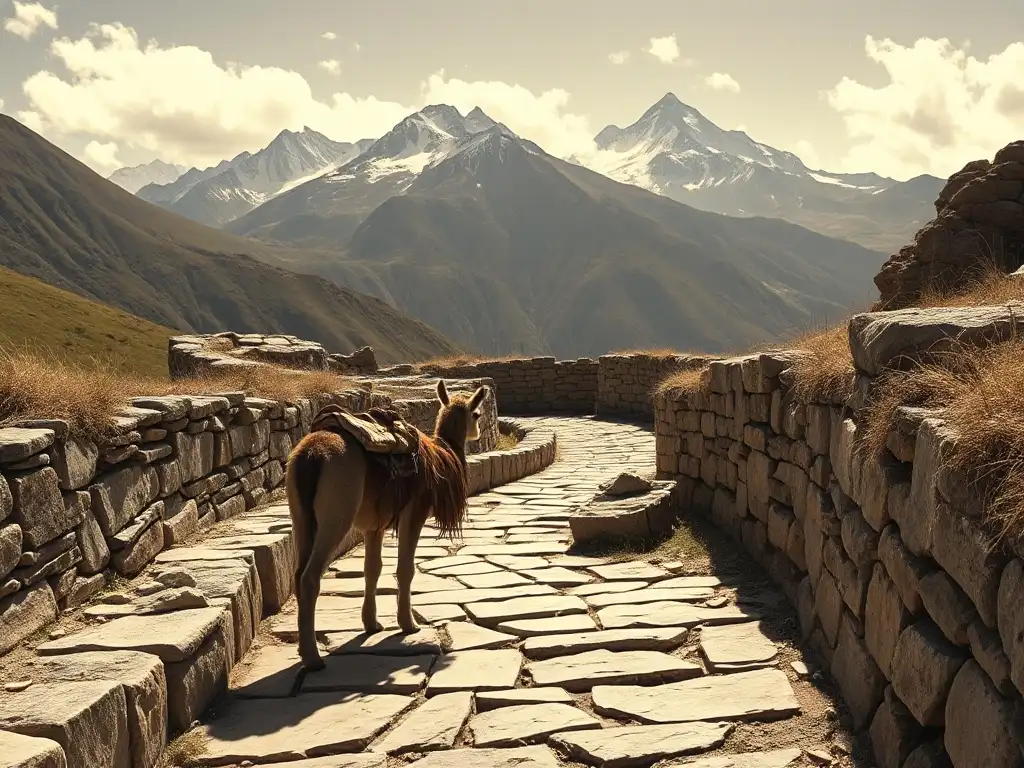
The development of sophisticated transportation and communication systems was crucial for the success and expansion of Pre-Inca Andean societies. These advancements allowed for efficient trade, military mobilization, and the dissemination of ideas and cultural practices across vast and challenging terrains. The ingenuity displayed in overcoming geographical obstacles is a testament to the advanced engineering and organizational skills of these cultures. The construction of extensive road networks, for instance, facilitated the movement of people and goods, connecting distant settlements and fostering economic and social integration.
These weren't simply haphazard trails; they were strategically planned and maintained routes, often incorporating impressive feats of engineering like bridges and tunnels to navigate challenging landscapes. Similarly, innovative methods of communication, while less tangible than roads, were equally important. The use of painted designs, knotted strings (quipus), and perhaps even a rudimentary form of written language allowed for the transmission of information, religious beliefs, and historical records over long distances, effectively binding together disparate communities under a shared cultural identity.
The efficiency of these systems is evidenced by the scale and complexity of the Pre-Inca empires and their ability to manage vast territories and populations. Further research into these systems is needed to fully appreciate their sophistication and impact on Andean societies. The lasting legacy of these achievements is evident in the enduring influence they had on later Andean cultures, including the Inca Empire.
Early Andean Road Networks and Paths in the Wari Empire
The Wari Empire (ca. 600-1000 CE), a significant Pre-Inca power in the central Andes, is known for its advanced road network. These weren't simply trails; they were carefully planned and constructed pathways, often paved and strategically located to facilitate trade and military movements. Archaeological evidence suggests a complex system of roads radiating from Wari's capital, Huari, connecting numerous settlements across a vast territory.
The construction of these roads required significant engineering skills, including the ability to navigate challenging terrain and construct bridges and retaining walls to overcome obstacles. The roads played a vital role in the Wari's ability to control and administer their vast empire. The efficient movement of troops and supplies along these routes was crucial for maintaining order and suppressing rebellions. Furthermore, the roads facilitated trade, allowing for the exchange of goods and resources between different regions within the empire.
This interconnectedness fostered economic growth and strengthened the social fabric of the Wari state. The scale and sophistication of the Wari road network stand as a remarkable achievement in Pre-Inca Andean engineering. [Specific data on the length of the road network and the number of settlements connected is pending].
Methods of Communication and Record Keeping using Painted Designs
Beyond the impressive road networks, Pre-Inca cultures also developed innovative methods of communication and record-keeping. While a fully developed writing system comparable to those of Mesopotamia or Egypt is not yet definitively proven, evidence suggests the use of painted designs, textiles, and knotted strings (quipus) to convey information and preserve historical records. Painted designs on pottery, textiles, and even building walls often depicted scenes of daily life, religious rituals, and historical events.
These images served as a visual language, capable of conveying complex messages across generations. The intricate designs and symbols used suggest a level of sophistication in their symbolic language. The quipu, a system of knotted strings, is another fascinating example of Pre-Inca record-keeping.
While the exact methods of interpretation are still debated, it's clear that the quipu served as a sophisticated system for recording numerical data, potentially including census information, economic records, and even narrative accounts. The use of painted designs and quipu demonstrates a remarkable ability to communicate and preserve information in the absence of a fully developed written language. Further research is needed to fully decode the meaning and significance of these visual and knotted communication systems.
Case Studies: Specific Pre-Inca Cultures and their Innovations
Several Pre-Inca cultures in the Andean highlands made significant technological contributions. Examining specific examples from the Tiwanaku, Moche, and Nazca cultures illuminates the diverse technological advancements of the period. Each culture adapted its innovations to its specific environment and needs, demonstrating a remarkable capacity for problem-solving and adaptation. These technological advancements not only shaped their respective societies but also laid the groundwork for future Andean civilizations, influencing the Inca Empire and beyond. The ingenuity and resourcefulness displayed by these cultures are truly remarkable.
The Technological Legacy of the Tiwanaku Culture
The Tiwanaku culture (ca. 1500 BCE – 1000 CE), centered around Lake Titicaca, is renowned for its impressive monumental architecture and sophisticated water management systems. Their mastery of stonework is evident in the precise construction of massive structures like the Kalasasaya temple and the Gateway of the Sun. These structures demonstrate an advanced understanding of engineering principles, including techniques for quarrying, transporting, and precisely fitting enormous blocks of stone.
The Tiwanaku also developed sophisticated agricultural techniques, including raised fields and irrigation canals, to maximize crop yields in the challenging altiplano environment. These systems allowed them to support a large population and maintain a thriving agricultural economy. The impressive scale and precision of Tiwanaku's architecture and agricultural systems showcase their advanced technological capabilities and organizational skills. [Specific details regarding the dimensions and weight of the largest stones used in Tiwanaku constructions are pending].
Innovations from the Moche Culture in Highland Regions
While primarily known for their coastal settlements, the Moche culture (ca. 100-800 CE) also had a presence in the Andean highlands. Their innovations in highland agriculture involved adapting irrigation techniques to the mountainous terrain. They constructed intricate canal systems to channel water from rivers and streams to their fields, allowing them to cultivate crops in otherwise arid regions.
[Specific examples of Moche highland settlements and their irrigation systems require further research]. Moreover, their metallurgical skills, evident in their elaborate gold and silver artifacts, likely extended to the highlands, potentially influencing highland metalworking techniques. The Moche's ability to adapt their technologies to different environments demonstrates their resilience and ingenuity.
Technological Contributions of the Nazca Culture
The Nazca culture (ca. 100 BCE – 800 CE), famous for its enigmatic geoglyphs, also made significant technological contributions. Their mastery of irrigation is particularly noteworthy. They constructed extensive canal systems to manage scarce water resources in the arid coastal region, allowing them to sustain a large population and a thriving agricultural economy.
[Specific data on the length and complexity of Nazca irrigation systems is pending]. These systems required careful planning and engineering, demonstrating their advanced understanding of hydrology and hydraulics. While their presence in the highlands was less extensive than in the coastal areas, their technological expertise likely influenced highland populations through trade and cultural exchange. The Nazca's ability to overcome environmental challenges through innovative engineering stands as a testament to their technological prowess.
The Lasting Impact of Pre-Inca Andean Technological Innovations
The ingenuity of Pre-Inca Andean societies left an indelible mark on the region's development, influencing subsequent cultures and shaping the landscape for centuries to come. Their advancements weren't isolated achievements; they built upon existing knowledge and techniques, adapting and refining them to suit their unique environments and needs. This iterative process of innovation is crucial to understanding their lasting impact. For example, the sophisticated irrigation systems developed by cultures like the Nazca, with their intricate canals and aqueducts, provided a foundation for later, larger-scale Inca projects.
These systems weren't merely practical solutions; they represented a deep understanding of hydrology and a commitment to sustainable agriculture, essential for supporting dense populations in arid regions. The mastery of metallurgy, evident in the intricate gold and silver work of the Moche and the bronze tools of the Tiahuanaco, also laid the groundwork for the Inca's impressive metalworking capabilities. The techniques, alloys, and designs passed down through generations, constantly evolving and improving. The impact extends beyond material culture; Pre-Inca advancements in textiles, ceramics, and architecture profoundly influenced later Andean aesthetics and construction methods.
The intricate weaving techniques, the diverse ceramic styles, and the monumental stonework all became integral parts of the Andean cultural heritage. Their legacy is not just a historical record but a living testament to the remarkable adaptability and ingenuity of these ancient societies. The enduring influence of Pre-Inca innovations underscores the interconnectedness of Andean cultures and the cumulative nature of technological progress.
How Pre-Inca Innovations Influenced Later Andean Societies
The influence of Pre-Inca technological innovations on later Andean societies, particularly the Inca Empire, is undeniable. The Inca, known for their impressive feats of engineering and administration, did not emerge in a vacuum. They inherited and built upon a rich legacy of technological advancements developed over centuries by preceding cultures. For instance, the Inca's extensive road network, renowned for its strategic planning and efficient design, benefited from the earlier establishment of smaller-scale pathways and communication routes by previous highland communities.
The Inca simply expanded and standardized these existing infrastructure components. Similarly, Inca agricultural practices, including terracing and irrigation, were refinements of techniques already mastered by earlier cultures like the Wari and Tiwanaku. The Inca improved upon these techniques, scaling them to support a vast empire, but the fundamental principles remained the same. The Inca's advanced metalworking skills, particularly in gold and silver, were a direct continuation of the sophisticated techniques developed by the Moche and other coastal societies.
They refined existing techniques and expanded their production, but the foundation was laid long before the Inca rose to power. This continuity highlights the importance of understanding the Pre-Inca context when examining Inca achievements. Attributing all technological advancements solely to the Inca overlooks the significant contributions of preceding cultures and diminishes their role in the development of Andean civilization. The Inca Empire's success was, in part, a result of its ability to integrate and build upon the technological advancements of its predecessors.
Understanding the Pre-Inca Roots of Inca Technology
The Inca Empire, often celebrated for its impressive technological achievements, owes a significant debt to the innovations of the Pre-Inca Andean societies. Many technologies attributed solely to the Inca were, in fact, refinements and expansions of pre-existing techniques. For example, the intricate stonework of Machu Picchu, often cited as a testament to Inca engineering prowess, utilizes techniques similar to those employed by earlier cultures like the Tiahuanaco. The precision in cutting and fitting stones, the mastery of dry-stone construction, and the sophisticated understanding of structural mechanics were not unique to the Inca but represent a culmination of centuries of experience and experimentation.
Similarly, the Inca's advanced irrigation systems, crucial to their agricultural success, built upon the sophisticated canal networks developed by the Nazca and other coastal groups. The Inca expanded these systems, adapting them to the varied terrains of their vast empire, but the underlying principles and techniques were inherited. Even the Inca's administrative systems, while impressively organized, were built upon existing social structures and communication networks established by previous Andean societies.
Understanding the Pre-Inca roots of Inca technology is crucial for a complete and accurate understanding of Andean history. It allows us to appreciate the cumulative nature of technological development and to recognize the significant contributions of the numerous cultures that preceded the Inca Empire. It also helps to avoid a Eurocentric bias that often overlooks the sophisticated achievements of pre-Columbian societies.
Conclusion: Recognizing the Ingenuity of Pre-Inca Andean Societies
The technological innovations of Pre-Inca Andean societies represent a remarkable testament to human ingenuity and adaptability. From sophisticated irrigation systems to advanced metallurgy and intricate textiles, these cultures demonstrated a profound understanding of their environment and a remarkable capacity for innovation. Their achievements weren't isolated events but rather the culmination of centuries of experimentation, refinement, and knowledge transfer.
Understanding the Pre-Inca roots of Andean technology is essential for a nuanced and accurate interpretation of the region's history. It challenges simplistic narratives that attribute all advancements solely to the Inca Empire, recognizing the significant contributions of numerous cultures that shaped the Andean landscape and culture. Furthermore, studying these innovations provides valuable insights into sustainable practices, resource management, and community organization.
The ingenuity of these ancient societies offers valuable lessons for contemporary challenges, reminding us of the power of human creativity and the importance of building upon the knowledge and achievements of past generations. The study of Pre-Inca Andean technological innovations is not merely an academic exercise; it is a journey into a rich and complex past that continues to inspire and inform us today. The legacy of these societies continues to resonate, reminding us of the remarkable capabilities of human civilization and the enduring power of innovation.
- Introduction to Pre-Inca Technological Marvels
- Early Andean Engineering and Construction Techniques
- Advanced Stone Masonry in Tiwanaku Settlements
- Pre-Inca Water Management Systems: Wari Canals and Aqueducts
- Agricultural Innovations of Pre-Inca Highland Cultures
- Metallurgical Advancements in Pre-Inca Societies
- Textile Production and Weaving Technology in Pre-Inca Andes
- The Role of Pre-Inca Ceramic Technology
- Pre-Inca Innovations in Transportation and Communication
- Case Studies: Specific Pre-Inca Cultures and their Innovations
- The Lasting Impact of Pre-Inca Andean Technological Innovations
- Conclusion: Recognizing the Ingenuity of Pre-Inca Andean Societies
- What technological advancements characterized PreInca Andean civilizations?
- How did PreInca irrigation systems impact Andean societies?
- What were some notable examples of PreInca ceramic technology?
- How did PreInca metallurgy contribute to their societies?
- What are some key differences between PreInca and Inca technological achievements?
Frequently Asked Questions
What technological advancements characterized PreInca Andean civilizations?
PreInca Andean societies displayed remarkable ingenuity. Irrigation systems, advanced ceramics, and metallurgy (particularly in gold and copper) were key innovations that shaped their development and allowed for complex social structures.
How did PreInca irrigation systems impact Andean societies?
Sophisticated terracing and canal systems allowed for intensive agriculture in challenging mountainous terrains. This reliable food production supported larger populations and facilitated the rise of urban centers.
What were some notable examples of PreInca ceramic technology?
PreInca cultures created diverse and highly skilled pottery. The Moche are known for their lifelike figurative ceramics, while the Nazca produced intricate polychrome pottery. These techniques showcased advanced artistry and technological mastery.
How did PreInca metallurgy contribute to their societies?
Gold and copper were worked into elaborate jewelry, tools, and ritual objects. This mastery of metallurgy reflected both technological prowess and a sophisticated understanding of these metals' symbolic significance.
What are some key differences between PreInca and Inca technological achievements?
While the Inca built upon PreInca foundations, they implemented large-scale infrastructure projects, like roads and stonework, on an unprecedented scale. PreInca innovations were often more regionally specific, reflecting diverse cultural expressions.
Final Reflection: The Enduring Legacy of Andean Ingenuity
The ingenuity of PreInca Andean civilizations continues to resonate today, challenging our assumptions about technological advancement and reminding us of the profound connection between human innovation and environmental adaptation. Their mastery of complex irrigation systems, sophisticated agricultural techniques, and remarkable architectural feats stand as a testament to human potential and the power of collaborative problem-solving in the face of challenging circumstances. These achievements were not merely technological; they were deeply intertwined with social structures, spiritual beliefs, and a profound understanding of their environment.
The impact of PreInca Andean innovations extends far beyond the geographical boundaries of the Andes. Their advancements in agriculture, for example, continue to inform sustainable farming practices globally. The past is never dead. It's not even past.
– William Faulkner. This quote perfectly encapsulates the enduring relevance of these ancient technologies, reminding us that the lessons learned from these civilizations remain profoundly insightful and applicable to contemporary challenges, such as climate change and resource management. Their ability to thrive in a harsh environment offers invaluable lessons for sustainable development in the modern world.
Consider the intricate network of terraced fields that still cling to the Andean slopes, a testament to the enduring wisdom of these ancient builders. Reflect on the ingenuity of their water management systems, and how their understanding of their environment allowed them to flourish. You, too, can harness the spirit of innovation by seeking creative solutions to the challenges you face, drawing inspiration from the resourcefulness and resilience of the PreInca Andean people. Let their legacy inspire you to think differently, to collaborate effectively, and to build a more sustainable and equitable future.
**Unleash Your Curiosity – Explore the Wonders of Innovation! **
Thank you for exploring the fascinating world of pre-Incan technological advancements! Your interest in these incredible innovations enriches your understanding and connects you to a rich legacy of ingenuity. Let's build on these insights and inspire action:
- **Join the Discussion:** Share your thoughts in the comments below on how ancient Andean technologies have influenced modern innovations.
- **Dive Deeper:** Explore the additional resources on our site to learn more about the lasting impact of Andean civilizations.
- **Spread the Knowledge:** Share this article with friends and on social media to inspire others to appreciate these remarkable achievements.
Reflecting on this journey of discovery, which pre-Incan technological advancement captivates you most, and how do you see it inspiring innovation today?