
Marriage in the Andes: Rituals, Alliances, and Social Hierarchies

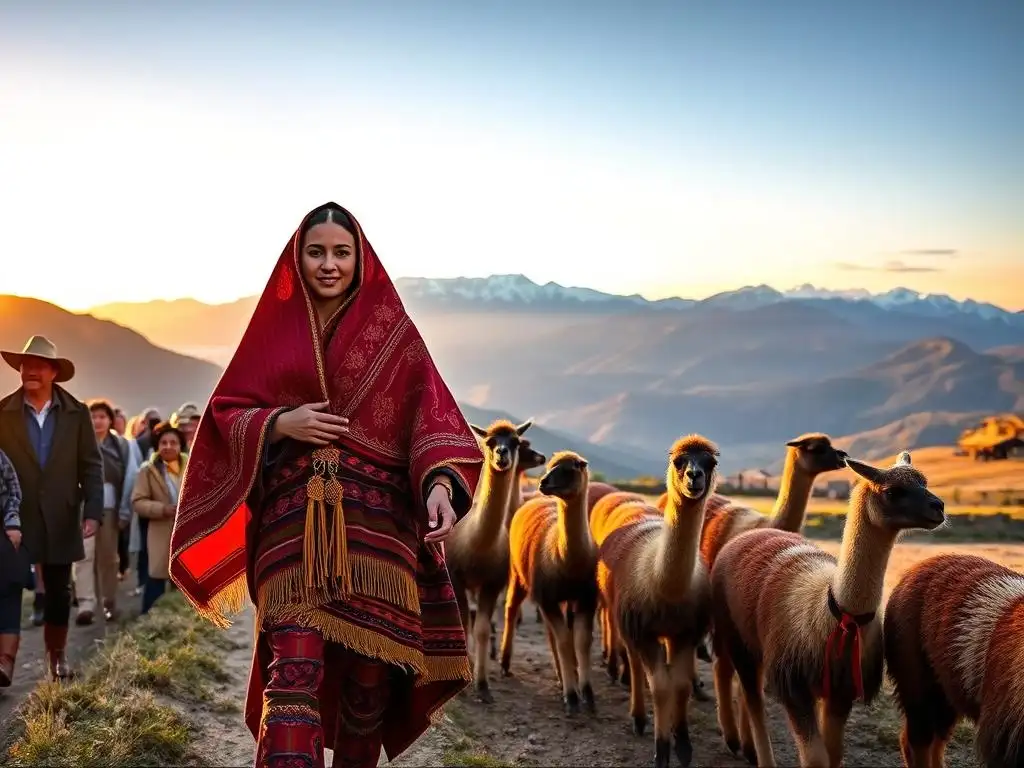
Step into a world lost to time, yet echoing with vibrant life. Imagine the breathtaking landscapes of the Andes, a stage for societies that built empires on ingenuity and breathtaking artistry. Here, we unravel the fascinating secrets of Andean civilizations, delving into their complex social structures and revealing the captivating details of their customs.
Prepare to be enthralled by the intricacies of Andean marriage rituals, a window into the power dynamics and enduring legacies of these remarkable cultures. Discover how these rituals shaped alliances, reflected social hierarchies, and ultimately, defined the very fabric of Andean society. Let's begin our journey...
- Andean Marriage Rituals: A Deep Dive into Andean Social Structures
- Pre-Marital Customs and Courtship in the Andes
- Andean Wedding Rituals: A Detailed Look
- Post-Wedding Traditions and New Family Dynamics
- Marriage and Social Hierarchies in the Andes
- Case Studies of Specific Andean Marriage Customs
- The Legacy of Andean Marriage Rituals Today
- Frequently Asked Questions
- Final Reflection: Echoes of Tradition in Andean Marriages
- **Celebrate Your Connection to Andean Heritage! **
Marriage in the Andes wasn't simply a union between two individuals; it was a complex tapestry woven with threads of ritual, social hierarchy, political alliances, and economic considerations. This intricate system varied across different Andean cultures – from the Inca Empire's elaborate ceremonies to the more localized traditions of groups like the Moche, Nazca, and Tiahuanaco – yet shared common themes reflecting the profound importance placed on kinship and community.
This article explores the diverse practices surrounding Andean marriage, examining the rituals, the societal implications, and how these customs reflected and reinforced the existing social order. We will delve into the significance of marriage within the broader context of Andean social structures, revealing how marital unions contributed to the stability and prosperity of these remarkable civilizations.
Understanding Andean marriage rituals provides invaluable insight into the complexities of their societies and the enduring legacy of their cultural practices. This exploration will help us understand how "Andean marriage rituals" shaped the lives of individuals and the trajectory of entire communities.
Introduction to Andean Marriage Practices
Andean marriage customs varied significantly depending on the specific culture and time period. However, several common threads emerge. Marriage was rarely a matter of individual choice, particularly among the elite. Instead, unions were frequently arranged to strengthen political alliances, consolidate economic power, or maintain social hierarchies.
For example, in the Inca Empire, royal marriages were carefully orchestrated to solidify power and extend the influence of the ruling dynasty. These unions were often accompanied by lavish ceremonies and significant gifts, underscoring their political importance. In contrast, marriages among commoners might involve simpler rituals, yet still held considerable social weight within their communities.
The exchange of goods, often textiles or livestock, played a crucial role in many Andean marriage ceremonies, symbolizing the mutual commitment and economic interdependence of the couple and their families. These exchanges weren't merely symbolic; they represented a tangible investment in the future stability of the new family unit. Even in seemingly simpler communities, detailed and significant rituals marked the transition into marriage, emphasizing its profound impact on the social fabric.
The Significance of Marriage in Andean Societies
Marriage in Andean societies served multiple crucial functions beyond the immediate union of two individuals. It was a fundamental building block of the social structure, playing a vital role in maintaining social order, establishing kinship networks, and ensuring the continuity of family lineages. The inheritance of land, resources, and social status often depended on marriage patterns, solidifying the existing social hierarchy and reinforcing power structures.
Furthermore, marital alliances were frequently used to resolve conflicts between different groups or to forge new partnerships, demonstrating the political significance of these unions. The creation of strong family units was paramount to the survival and prosperity of Andean communities, and marriage served as the cornerstone of this familial foundation. The rituals surrounding marriage, therefore, were not merely ceremonial events; they were integral to the social and political functioning of Andean society, reflecting the deep-seated values and beliefs of these ancient civilizations.
The stability and prosperity of these societies were intricately tied to the success of their marriage systems and the strength of the family units they created. Understanding this interconnection is key to comprehending the complexities of Andean social structures.
Pre-Marital Customs and Courtship in the Andes
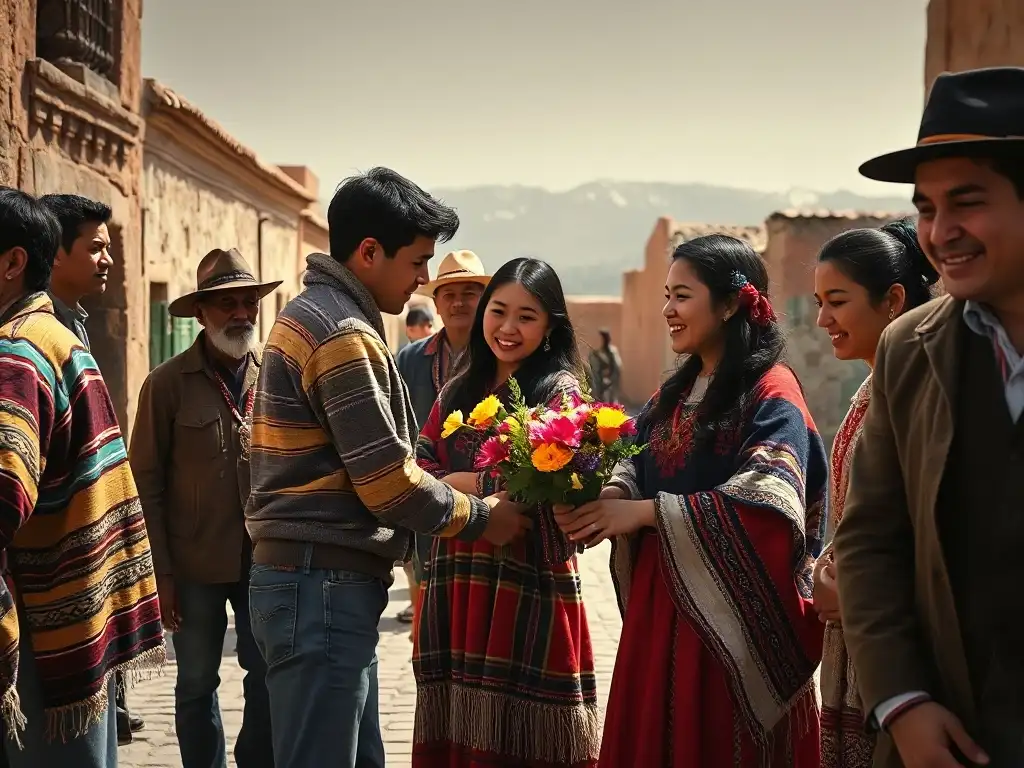
Understanding Andean marriage rituals requires first examining the pre-marital customs and courtship practices that shaped the unions. While romanticized notions of free-flowing courtship might not fully apply, the process was far from simply a transactional arrangement. Instead, it involved a complex interplay of family dynamics, social standing, and spiritual beliefs, varying significantly across different Andean cultures and time periods.
The emphasis was often less on individual romantic love as we understand it today, and more on establishing strong social and economic alliances for the benefit of the extended family and community. This nuanced approach is crucial to appreciating the true significance of Andean marriage. The concept of "Andean marriage rituals" encompasses a broad spectrum of practices that reflected this complex social fabric.
Arranged Marriages and Family Alliances
Arranged marriages were prevalent in many Andean societies. These weren't forced unions, but rather strategic partnerships carefully negotiated between families. The primary goal wasn't necessarily romantic love, but rather the consolidation of power, the expansion of land holdings, or the strengthening of political alliances. For example, the Inca Empire frequently used arranged marriages to solidify control over conquered territories and integrate new elites into the ruling class. The union of two powerful families could bring about significant economic and political benefits, thus ensuring stability and prosperity for future generations. The selection of a spouse was often based on factors such as lineage, wealth, and social status, reflecting the deep-rooted hierarchical structure of Andean societies. This system ensured the continuation of established power structures and the maintenance of social order. The concept of "Andean marriage rituals" is intricately linked to these strategic alliances, highlighting the social and political dimensions of marriage.
The Role of Matchmakers in Andean Communities
Matchmakers, often respected elders or individuals with strong social standing, played a crucial role in facilitating these arranged marriages. They acted as intermediaries, carefully assessing the suitability of potential partners based on family background, economic resources, and social standing. Their expertise in community dynamics and family histories was invaluable. They weren't simply brokers but rather skilled negotiators who ensured that the union would be beneficial for all parties involved.
Their role extended beyond the initial selection process; they often oversaw the betrothal ceremonies and played an active part in mediating any conflicts that might arise during the courtship period. The influence of matchmakers underscores the communal aspect of Andean marriage, illustrating how individual choices were deeply intertwined with broader social considerations. Understanding their role enhances our comprehension of the complete picture of "Andean marriage rituals".
Betrothal Ceremonies and Rituals
Before the actual wedding ceremony, betrothal ceremonies were performed to formally announce the union and bind the two families together. These rituals varied considerably across different Andean cultures, but they often involved symbolic exchanges of gifts, feasts, and religious offerings. The exchange of goods, such as textiles, livestock, or land, served as a public declaration of the commitment and symbolized the economic and social contributions each family was making to the union.
These ceremonies were not merely symbolic; they were legally binding agreements that established the framework for the future marriage. The involvement of community members in these events underscored the importance of social approval and the collective nature of Andean marriage.
These betrothal ceremonies represent a crucial stage within the broader spectrum of "Andean marriage rituals," highlighting the transition from courtship to the formalization of the union. Further research is needed to detail the specific rituals of different Andean groups, [Specific information pending on regional variations in betrothal ceremonies].
Andean Wedding Rituals: A Detailed Look
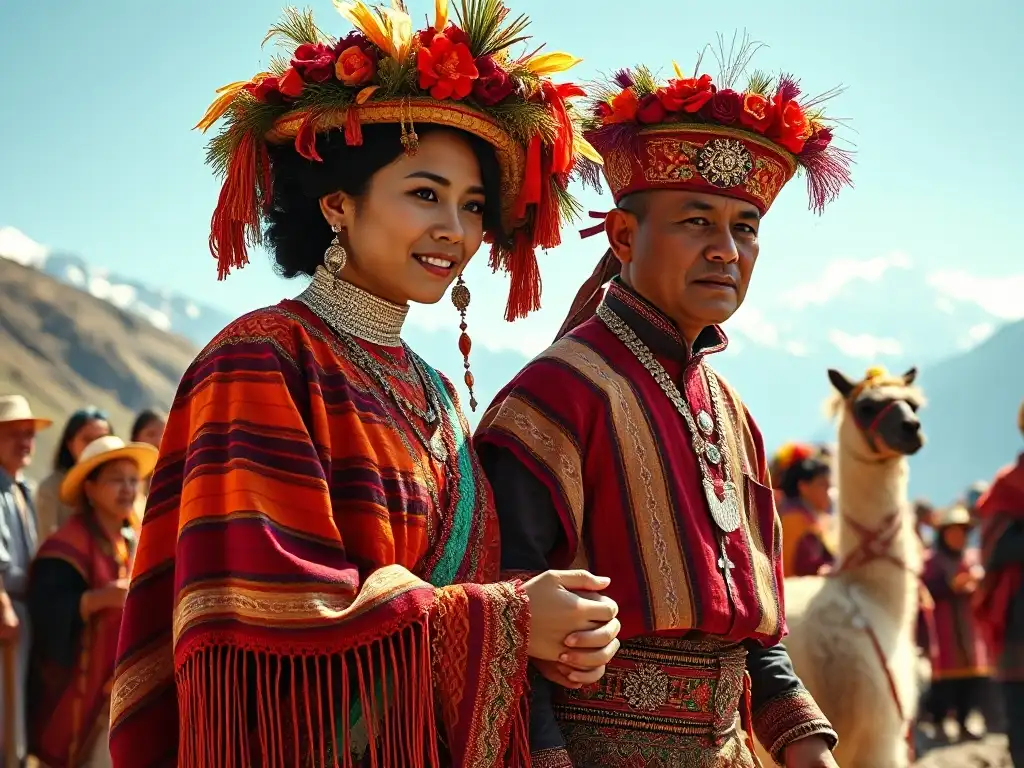
This section delves into the fascinating world of Andean marriage rituals, exploring the diverse customs and practices that varied across different Andean cultures and time periods. Understanding these rituals provides crucial insight into the complex social structures, belief systems, and economic realities of these ancient societies. The term "Andean marriage rituals" encompasses a wide range of ceremonies and traditions, reflecting the rich tapestry of Andean cultures. We will explore some key aspects of these rituals, focusing on the specifics of clothing, gift exchange, and the ceremonies themselves.
Traditional Clothing and Adornments for Andean Weddings
Andean wedding attire wasn't just about clothing; it was a powerful display of social status, ethnicity, and spiritual beliefs. The textiles themselves, often painstakingly woven with intricate designs, held significant symbolic meaning. The vibrant colors, unique patterns, and materials used spoke volumes about the couple's family lineage and standing within their community.
For example, Incan weddings likely featured elaborate garments of fine cottons and camelid fibers (alpaca and vicuña), adorned with gold and silver jewelry. The intricate weaving techniques, such as the spindle whorl and backstrap loom, were passed down through generations, making the clothing a testament to ancestral knowledge. These garments were not simply worn; they were imbued with spiritual significance, often incorporating symbols associated with fertility, prosperity, and the Andean cosmology. The use of specific colors, for example, red representing fertility and yellow representing royalty, added another layer of meaning to the attire.
In contrast, the Moche culture, known for its elaborate metalwork, may have incorporated more elaborate gold and silver ornaments into their wedding attire. While detailed descriptions of Moche wedding garments are scarce, archaeological evidence suggests a preference for intricate headdresses, necklaces, and ear ornaments crafted from precious metals and adorned with semi-precious stones. These embellishments would have further emphasized the couple's social standing and wealth.
The variations in clothing and adornments across different Andean cultures highlight the diversity and complexity of Andean marriage customs. Further research is needed to fully understand the specific nuances of wedding attire in each culture, but the available evidence already paints a vivid picture of the importance placed on clothing as a symbol of identity and social status within the Andean wedding context.
The Exchange of Gifts and Symbolic Objects
The exchange of gifts played a pivotal role in Andean marriage rituals, going far beyond simple presents. These exchanges were often carefully orchestrated transactions, symbolizing the union of two families and the establishment of new social and economic bonds. The type and value of the gifts reflected the social standing of the families involved, and the act of giving itself reinforced social hierarchies.
The Incas, for example, may have exchanged quipus (knotted cords used for recording information) as symbolic gifts, representing the transfer of knowledge and lineage. These were not merely decorative items; they served as historical records, conveying the family's history and social standing to the newly formed union. Other valuable gifts might have included textiles, agricultural products, or precious metals, all reflecting the couple's economic standing and the resources controlled by their families.
In other Andean cultures, the exchange of livestock, particularly llamas or alpacas, served as a crucial element in the marriage ceremony. These animals held both economic and symbolic value, representing wealth, fertility, and social status. The number of animals exchanged could signify the importance of the union and the relative standing of the families involved.
The exchange of gifts in Andean weddings was not just a material transaction; it was a powerful social act that reinforced kinship ties, established alliances, and solidified the newly formed marital bond. The symbolic significance of these gifts varied across different cultures and contexts, but their importance in the overall wedding ritual remained consistent. Further investigation into specific Andean cultures is needed to fully understand the specific symbolism associated with each type of gift and the ritual practices surrounding their exchange.
Andean Wedding Ceremonies and their Meanings
Andean wedding ceremonies were not standardized events; they varied significantly depending on the specific culture, location, and time period. However, common themes emerge, highlighting the importance of ancestral spirits, fertility, and the integration of the couple into the broader community.
While specific details are often limited due to the scarcity of written records, archaeological evidence, coupled with accounts from later chroniclers, provide some insights. Many ceremonies likely involved rituals aimed at ensuring the fertility of the couple and the prosperity of their future family. These rituals often incorporated offerings to the apus (mountain spirits) and other deities, seeking their blessings for a successful marriage and a bountiful life.
Some ceremonies may have included shamanistic practices, with shamans playing a central role in mediating between the human and spiritual worlds. The use of coca leaves, a sacred plant in Andean cultures, was likely an important part of many ceremonies, with coca being chewed or offered as part of the rituals. The consumption of chicha, a fermented corn beverage, may also have been an important part of the celebrations, symbolizing community and shared joy.
The integration of the couple into the broader community was also a significant aspect of Andean wedding ceremonies. The presence of family and community members highlighted the importance of social bonds and the collective nature of marriage within Andean societies.
Further research is essential to reconstruct a more complete picture of the diversity of Andean wedding ceremonies. The available evidence suggests a rich tapestry of rituals and practices, each reflecting the unique beliefs and customs of specific Andean cultures. Understanding these ceremonies offers invaluable insight into the worldview and social structures of these fascinating ancient societies. The study of Andean marriage ceremonies continues to yield new discoveries, enriching our understanding of Andean social life and cultural practices.
The Importance of Music and Dance in Andean Marriage Celebrations
Music and dance were, and in many communities still are, integral components of Andean marriage celebrations. These weren't mere forms of entertainment; they were deeply symbolic acts reflecting the spiritual and social significance of the union. The specific types of music and dances varied considerably depending on the region, the specific ethnic group, and the time period. However, certain common threads run through these traditions.
For example, the use of panpipes ( antara) and drums ( tinku) was widespread. These instruments, often played in ensembles, created a vibrant and energetic atmosphere, setting the tone for the festivities. The music itself often incorporated ancient melodies passed down through generations, imbued with meaning relating to fertility, abundance, and the continuity of life – all crucial themes within the context of marriage and family formation. The rhythms and melodies were believed to influence the success and prosperity of the newly married couple. Specific songs might invoke blessings from ancestral spirits or deities associated with marriage and family.
Dance played an equally vital role. Many Andean wedding dances involved intricate steps and formations, often telling stories or enacting symbolic narratives. These dances weren't simply performed; they were a form of communication, a way of sharing the joy of the occasion with the community and invoking blessings upon the couple.
The participation of the community in the dancing further highlighted the social solidarity surrounding the marriage. Certain dances might involve specific movements related to agricultural practices, reflecting the importance of fertility and the connection between the couple and the land. Others might emphasize strength, unity, and the enduring nature of the marital bond.
The intensity and energy of the music and dance were not accidental; they served to create a powerful emotional atmosphere, marking the transition from singlehood to married life. The collective participation of the community in these activities reinforced the social significance of the event, solidifying the couple's place within their wider social network.
The legacy of this rich musical and dance tradition remains evident in contemporary Andean communities, where these practices continue to play a vital role in celebrating marriage and other significant life events. Even in areas where modernization has impacted tradition, the core importance of music and dance in Andean marriage celebrations persists.
Post-Wedding Traditions and New Family Dynamics
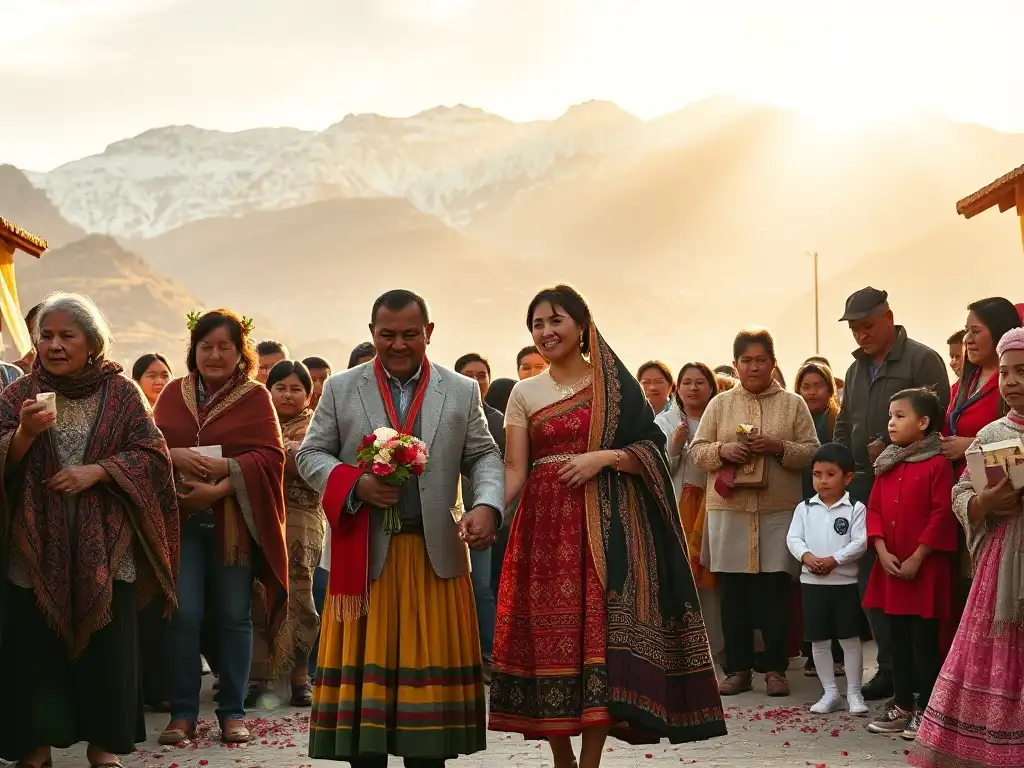
Following the often elaborate Andean marriage rituals, the newly married couple embarked on a new phase of life, marked by specific traditions and adjustments within the existing social fabric. The transition wasn't solely about the union of two individuals; it profoundly impacted their families and the wider community. Understanding these post-wedding customs sheds light on the enduring strength of kinship ties within Andean societies.
The concept of marriage extended beyond a personal commitment; it solidified social and economic alliances, influencing land ownership, resource access, and the overall social standing of the families involved. The emphasis on community integration highlights the collectivist nature of Andean societies, where individual success was intrinsically linked to the well-being of the group.
Establishing a New Household in Andean Culture
The establishment of a new household varied significantly depending on the specific Andean culture and social standing of the couple. In some cases, the newlyweds resided with the groom's family, a practice reflecting patrilineal inheritance patterns prevalent in many Andean communities. This arrangement facilitated the continuation of family traditions and ensured the smooth transfer of land and resources to the next generation.
However, in other societies, particularly those with a stronger emphasis on matrilineal descent, the couple might reside with the bride's family. This demonstrates the diverse range of family structures and customs within the vast Andean region. The physical location of the new household wasn't just a matter of convenience; it held profound symbolic meaning, reflecting the power dynamics within the family and the broader community.
For example, living with the groom's family often signified the bride's integration into a pre-existing social network, while residing with the bride's family could indicate the groom's assimilation into an established matriarchal system. Data on specific household arrangements across various Andean groups is still being compiled and analyzed, making further research in this area crucial for a complete understanding of Andean family structures. [Specific data on household arrangements pending for various Andean groups, including Incas, Moche, Nazca, and Tiwanaku].
Roles and Responsibilities of Married Couples
The division of labor within Andean marriages reflected the prevailing social norms and economic realities of the time. Men often took on roles related to agriculture, herding, and hunting, while women were typically responsible for household tasks, weaving, and childcare. However, this division wasn't rigid. The specific tasks undertaken by each spouse were influenced by factors such as social status, geographical location, and the specific needs of the household.
Elite couples, for instance, might have had access to more specialized labor, resulting in a different division of responsibilities. Furthermore, women in some Andean societies held significant economic power, particularly in areas where textile production played a vital role. Their contribution to the family's economic well-being wasn’t merely supplementary; it was fundamental.
Evidence suggests that women often managed the household finances and had considerable influence in decision-making processes. The roles and responsibilities were thus dynamic and varied, reflecting the rich tapestry of Andean social organization. The concept of "Andean marriage rituals" itself underscores the ceremonial importance attached to these roles, solidifying their societal significance.
The Integration of the New Couple into the Community
The newly married couple's integration into the broader community was a crucial aspect of Andean society. Participation in communal activities, religious ceremonies, and reciprocal labor systems strengthened social bonds and reinforced the couple's position within the social hierarchy. The couple's acceptance and contribution to the community determined their social standing and influenced their access to resources and support. This integration process wasn't passive; it involved active participation in community events and fulfilling responsibilities towards the collective.
For example, participation in ayni (reciprocal labor) and mita (labor tax) strengthened community ties and highlighted the couple's commitment to the collective good. Failure to fulfill these obligations could lead to social ostracism and economic hardship. Therefore, the success of an Andean marriage was not solely measured by the couple's personal happiness but also by their successful integration into and contribution to the community. This communal aspect of marriage underscores the deeply ingrained collectivist values within Andean culture.
The successful navigation of these post-wedding traditions was essential for the couple's long-term stability and social standing within their community. The significance of these traditions highlights the importance of community support in the success of Andean marriages and families. Understanding this aspect is key to interpreting the broader context of "Andean marriage rituals."
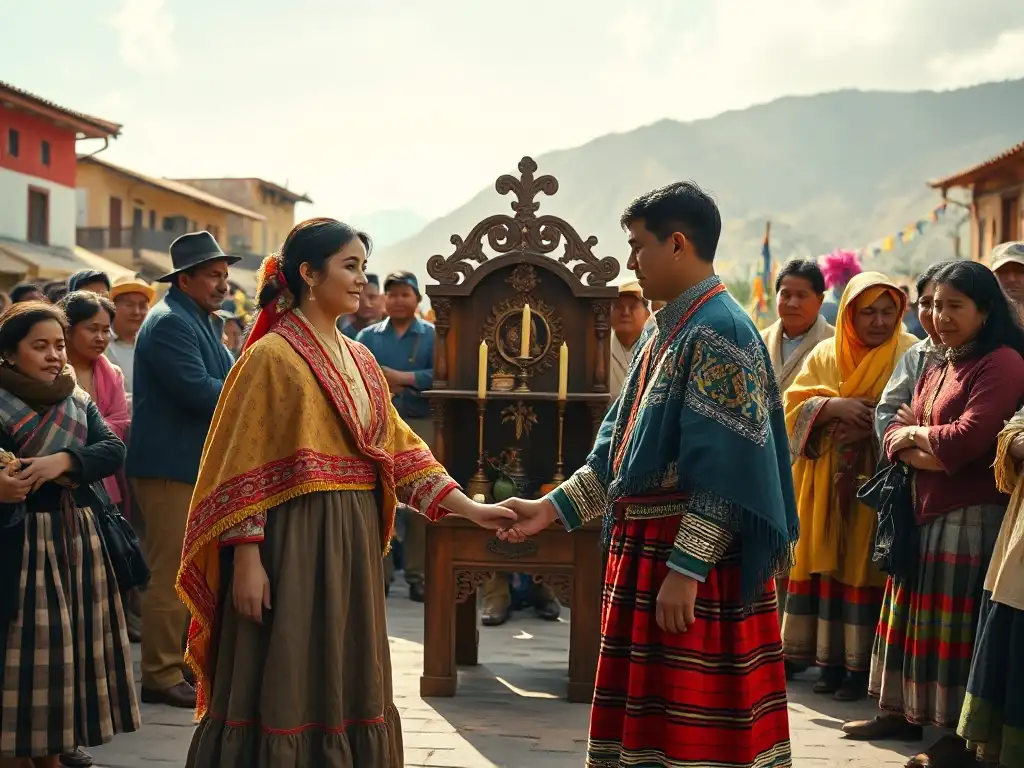
The Andean world, encompassing diverse cultures like the Inca, Moche, Nazca, and Tiahuanaco, wasn't monolithic in its approach to marriage. However, a common thread across these societies was the significant role marriage played in reinforcing and sometimes challenging existing social hierarchies. Marriage wasn't simply a union of two individuals; it was a powerful tool for consolidating power, forging alliances, and securing economic stability within the complex social structures of the Andes.
Understanding Andean marriage rituals requires acknowledging the intricate interplay between personal choice and societal expectations dictated by lineage and status. The intricacies of Andean marriage practices, including the negotiation of dowries and bride prices, further highlight this complex relationship between individual lives and the broader social fabric. The following sections delve into specific aspects of this compelling dynamic.
While lineage and status heavily influenced marriage choices, Andean societies weren't entirely rigid. Marriage offered avenues for social mobility, albeit often limited and dependent on specific circumstances. For instance, a skilled artisan from a lower social stratum might elevate their status through marriage into a wealthier or more politically influential family. This upward mobility wasn't guaranteed, however. The acceptance of such a union depended on factors like the artisan's demonstrated skills, the family's need for those skills, and the overall political climate.
Consider the potential marriage of a highly skilled metalworker from a less prestigious ayllu (community) to a member of a powerful curaca's family. The metalworker’s exceptional craftsmanship could be seen as a valuable asset, offering the curaca’s family access to superior weaponry or ceremonial objects. This strategic alliance could benefit both parties: the metalworker gains social standing and access to resources, while the curaca's family enhances its prestige and power.
However, such unions were not commonplace, and the success of such social climbing depended heavily on the individual's ability to demonstrate their worth and the family's willingness to accept them. Data on the frequency of these upwardly mobile marriages is scarce, but archaeological evidence suggests that such instances, while not common, did occur.
Endogamy and Exogamy in Andean Marriage Patterns
Andean marriage patterns exhibited a complex interplay between endogamy (marriage within one's social group) and exogamy (marriage outside one's social group). While endogamy was common, particularly among the elite, maintaining power and consolidating resources within the lineage, exogamy also played a crucial role in forging political alliances and expanding influence. The balance between these practices varied across different Andean cultures and time periods.
| Andean Culture | Predominant Marriage Pattern | Rationale | Exceptions |
|---|---|---|---|
| Inca | Primarily endogamous among the elite, exogamous among commoners | Maintaining royal bloodline, forging alliances between powerful families; securing resources and labor | Strategic marriages for political gain, economic advancement |
| Moche | Primarily endogamous within the ruling class | Similar to Inca, maintaining power and lineage | Limited evidence suggests some exogamous unions among lower classes |
| Nazca | [Information pending] | ||
| Tiahuanaco | [Information pending] |
The lack of comprehensive data for Nazca and Tiahuanaco highlights the need for further research into the specific marriage practices of these cultures. Further investigation into archaeological records and surviving textual sources is crucial to a fuller understanding of Andean marriage patterns.
The Influence of Lineage and Status on Marriage Choices
Lineage and social status were paramount in determining marriage prospects within Andean societies. Elite families prioritized maintaining their lineage and power through strategic marriages. These unions were often arranged, with the consent of family elders holding significant weight. The bride price or dowry played a crucial role, reflecting the social standing of the families involved. Marriage wasn't simply a personal decision; it was a vital component of maintaining the social order and economic stability of the entire community.
The concept of ayni, reciprocal exchange, was integral to Andean social life and influenced marriage practices. Marriage alliances often involved reciprocal obligations between families, including labor exchange, resource sharing, and mutual support. These reciprocal arrangements further solidified social bonds and reinforced existing power structures.
The importance of lineage ensured that the social hierarchy was maintained across generations, with marriage serving as a mechanism for preserving this hierarchy. The detailed records of Inca royal lineages highlight the meticulous attention paid to preserving their bloodline and power through carefully orchestrated marriages. The impact of this system on social mobility and individual agency is a fascinating area of ongoing research.
Case Studies of Specific Andean Marriage Customs
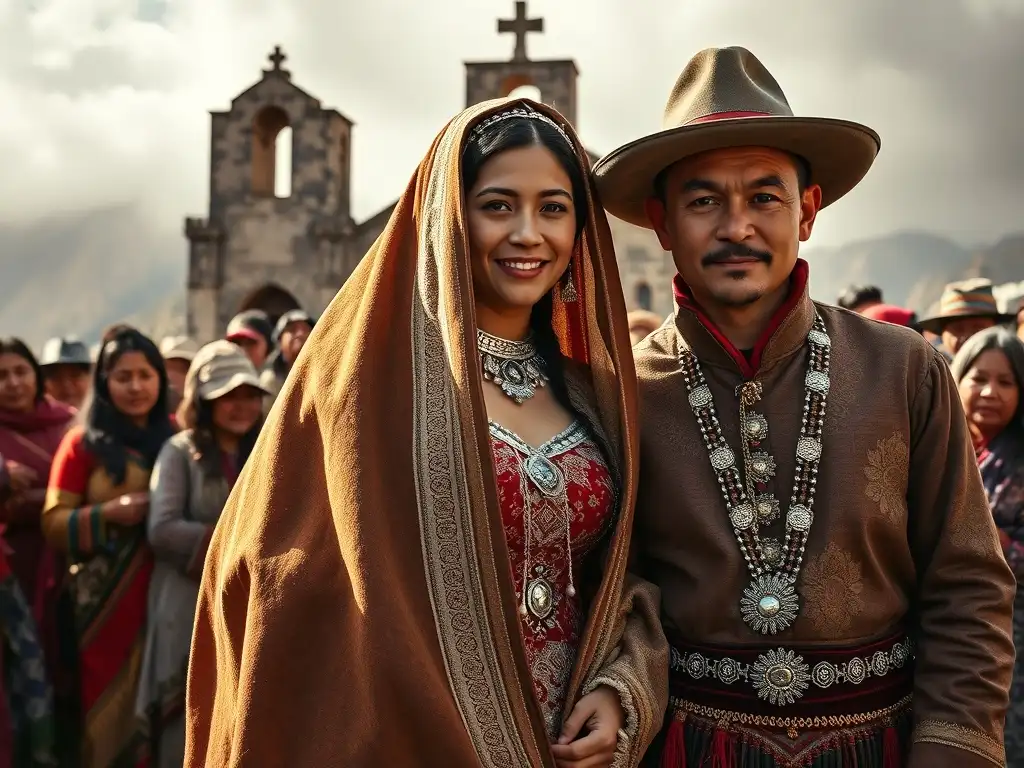
This section delves into the diverse marriage practices across various Andean cultures, highlighting the nuances and variations that existed beyond the overarching themes of alliance-building and social hierarchy. Understanding these specific customs offers a richer appreciation for the complexity of Andean family structures and the significance of marriage within their societies.
We will explore the unique aspects of marriage among the Aymara and Quechua peoples, two of the most prominent groups in the Andes, and then examine the regional diversity in wedding rituals. The term "Andean marriage rituals" encompasses a broad spectrum of practices, and these case studies aim to illuminate that diversity.
Marriage Practices Among the Aymara People
The Aymara people, inhabiting the Altiplano region of the Andes, possessed a distinct set of marriage customs. Traditionally, marriages were often arranged, reflecting a strong emphasis on maintaining social alliances and economic stability within the community. The process involved negotiations between families, focusing not just on the individuals involved but also on the broader implications for their respective kin groups. Dowries, typically consisting of livestock, land, or textiles, played a significant role in these negotiations, signifying the bride’s contribution to her new family.
The wedding ceremony itself often involved a series of rituals, including the sharing of coca leaves as a symbol of unity and a communal feast to celebrate the union. Interestingly, the Aymara placed significant importance on the concept of ayni, a system of reciprocal exchange and mutual obligation. This principle extended to marriage, where the couple's commitment was viewed not solely as a personal bond but also as a contribution to the wider social fabric. The couple's responsibilities extended beyond their immediate family, encompassing obligations to their extended kin network.
Unlike some other Andean groups, the Aymara did not exhibit a strong emphasis on elaborate displays of wealth during weddings. The focus remained on the social and economic integration of the couple into their respective communities, emphasizing the long-term implications of the union rather than a fleeting spectacle. Further research is needed to fully detail the specific variations in Aymara marriage customs across different Aymara communities. [Specific information pending on regional variations within Aymara marriage customs].
Marriage Customs of the Quechua People
The Quechua, another significant Andean group, presented a somewhat different picture of marriage practices. While arranged marriages were common, particularly among the elite, the influence of ayllu (kinship groups) played a crucial role in shaping marital alliances. Maintaining strong ties within the ayllu was vital for survival and social stability, and marriages often served to strengthen these connections.
Quechua wedding ceremonies frequently incorporated symbolic rituals related to fertility and abundance. For example, the use of specific plants or the offering of food to ancestral spirits were common elements. The ceremonies often involved elaborate costumes and music, reflecting the importance of the occasion within their social structure. The level of ceremony and celebration could vary significantly based on the social status of the individuals involved, with elites often hosting larger, more extravagant celebrations.
Unlike the Aymara emphasis on ayni, Quechua marriage customs highlighted the importance of mita, a system of labor obligations. While not directly related to the wedding itself, mita obligations impacted the couple's post-marital life and their contributions to their community. The integration of the couple into the ayllu’s economic and social life was paramount. [Further research required to ascertain the precise extent of variation in Quechua marriage customs across different Quechua-speaking regions].
Variations in Andean Wedding Rituals Across Different Regions
The Andean region is vast and diverse, encompassing a multitude of micro-cultures with unique traditions. Consequently, Andean wedding rituals varied significantly based on geographic location, altitude, and specific ethnic group. While the overarching themes of alliance-building and social hierarchy remained, the specific customs and practices exhibited considerable regional diversity.
For example, in some regions, the exchange of gifts between families played a more prominent role than in others. In some mountainous areas, the ceremonies might have incorporated elements related to mountain spirits or agricultural cycles, reflecting the close relationship between the communities and their environment. Coastal communities, conversely, might have incorporated marine-related symbols into their ceremonies.
| Region | Notable Ritual Variations | Significance |
|---|---|---|
| Northern Andes | Emphasis on elaborate textile offerings | Display of wealth and craftsmanship |
| Central Andes | Strong focus on coca leaf ceremonies | Symbol of unity and shared prosperity |
| Southern Andes | Incorporation of elements related to llama herding | Reflection of their economic foundation |
| Coastal Regions | Marine-related symbols and rituals | Connection to their environment and livelihood sources |
The lack of centralized documentation from the pre-Columbian era makes a complete picture of regional variations challenging to reconstruct. However, studying surviving indigenous traditions and anthropological research provides valuable insights into the rich tapestry of Andean marriage customs. 😓 Further investigation is needed to fully document the regional diversity of Andean wedding rituals. The study of Andean marriage rituals continues to be a dynamic area of research, with new discoveries constantly enriching our understanding of these complex cultural practices.
The Legacy of Andean Marriage Rituals Today
The echoes of ancient Andean marriage rituals resonate even in contemporary Andean societies, though significantly transformed by the passage of time and the impact of external influences. Understanding this legacy requires acknowledging both the continuity of certain core beliefs and the adaptation of practices to modern contexts. The enduring importance of family and community in Andean life continues to shape marriage customs, even as specific rituals have evolved.
While the elaborate ceremonies of the Inca empire, for example, may not be directly replicated, the underlying principles of social cohesion and reciprocal obligations remain. The strength of these traditions is a testament to the resilience of Andean culture. Analyzing these shifts allows us to appreciate the complexity and dynamism of Andean cultural heritage, highlighting both the persistence of ancient traditions and their ongoing adaptation.
The study of Andean marriage rituals provides invaluable insights into the social fabric of these societies, past and present. Key aspects, such as the importance of ayni (reciprocity) and mita (labor service), continue to subtly influence marriage arrangements even today.
Influences of Colonialism on Traditional Practices
The arrival of the Spanish in the 16th century profoundly impacted Andean societies, including their marriage practices. The imposition of Catholicism led to the overlaying of indigenous rituals with Christian ceremonies. Traditional Andean marriage customs, often involving community participation and ancestral veneration, were gradually supplanted or adapted to fit the framework of the Catholic Church. For example, the pako, a pre-Columbian form of betrothal, which involved negotiations and exchanges between families, was gradually replaced by a more formalized Catholic marriage ceremony.
However, indigenous beliefs and practices often persisted subtly, interwoven with the new religious framework. Many Andean communities integrated Catholic elements into pre-existing rituals, creating a syncretic blend of traditions. This process of cultural adaptation demonstrates the resilience of Andean culture in the face of colonization.
The blending of indigenous and Catholic elements is still evident in contemporary Andean marriage celebrations, demonstrating the lasting impact of colonial encounters. Further research is needed to fully understand the nuanced ways in which specific indigenous practices were suppressed, adapted, or reinterpreted. [Specific examples of suppressed practices pending]
Contemporary Andean Marriage Celebrations
Contemporary Andean marriage celebrations showcase a fascinating blend of traditional and modern elements. While the grand scale of Inca imperial weddings is largely absent, many ceremonies still incorporate elements that reflect ancient traditions. The importance of family and community remains paramount. Weddings are often large-scale events, involving extended family members and friends, showcasing the strong social networks that characterize Andean communities.
Food plays a significant role, with traditional dishes prepared and shared, reflecting the importance of reciprocity and communal feasting. Music and dance, often with indigenous instruments and styles, are integral parts of the celebration, maintaining a connection to ancestral traditions. However, modern influences are also evident. For instance, the incorporation of Western-style elements, such as formal attire and reception-style dinners, demonstrates the integration of global influences into local customs.
The specific details of these celebrations vary considerably across different Andean communities, reflecting the diversity of Andean cultures. Data on the specific prevalence of different traditions in various communities is needed for a more complete picture. [Data on regional variations in contemporary celebrations pending]
Preserving the Cultural Heritage of Andean Marriage
The preservation of the cultural heritage of Andean marriage is a multifaceted endeavor that requires collaborative efforts. Efforts to document and understand the nuances of traditional practices are crucial, involving anthropological research and oral history projects. This documentation is not simply an academic exercise; it is vital for maintaining cultural continuity and identity. Furthermore, supporting community-based initiatives that promote the transmission of traditional knowledge to younger generations is essential.
This could involve educational programs, workshops, and community-led celebrations that actively engage young people. Museums and cultural centers also play a vital role in showcasing aspects of Andean marriage traditions through exhibits and educational materials. The challenge lies in balancing the preservation of cultural heritage with the acknowledgment of the ongoing evolution of Andean societies.
It is crucial to avoid romanticizing the past and to appreciate the dynamic interplay between tradition and modernity in contemporary Andean marriage practices. A proactive approach to cultural preservation is essential to ensure that the rich legacy of Andean marriage rituals continues to thrive. The task requires a collaborative effort, involving researchers, community leaders, and cultural institutions, working together to safeguard and celebrate this important aspect of Andean heritage.
Frequently Asked Questions
What were some common Andean marriage rituals?
Andean marriage rituals varied across cultures and time periods, but often involved elaborate ceremonies, gift exchanges, and feasts. The specific rituals reflected the social standing of the couple and their communities.
Marriage was crucial for maintaining and strengthening social hierarchies. Marriages between individuals of different social classes could create alliances and increase political power, while those within the same class reinforced existing structures.
What role did religion play in Andean marriages?
Religion played a significant role, with ceremonies often incorporating religious figures and ritual offerings to ensure the couple's prosperity and the blessing of the gods. Specific deities or spirits were often invoked depending on the culture.
Were Andean marriages monogamous or polygamous?
The practice varied across different Andean cultures and time periods. While monogamy was common, polygamy, particularly polygyny (one man, multiple wives), was also practiced, especially among the elite.
How did marriage alliances contribute to political power in the Andes?
Strategic marriages between different groups were essential for forming political alliances and expanding influence. These unions facilitated cooperation, resource sharing, and reduced conflict between potentially rivaling communities.
Final Reflection: Echoes of Tradition in Andean Marriages
The vibrant tapestry of Andean marriage rituals, far from being relics of the past, continues to shape social structures and personal identities across the region. These traditions, deeply interwoven with cosmology, kinship, and community, offer a powerful lens through which to understand the enduring strength of cultural heritage in the face of globalization. Their continued practice speaks volumes about the resilience and adaptability of Andean communities.
The profound impact of these rituals extends far beyond the immediate families involved; they serve as vital mechanisms for maintaining social cohesion and reinforcing community bonds. These ceremonies are not merely celebrations; they are active participants in the ongoing negotiation of power dynamics and social hierarchies. As anthropologist June Nash eloquently stated, Marriage is not simply a private affair; it is a public act that reflects and reinforces the social order.
This sentiment resonates deeply with the complexities observed in Andean marriage practices, highlighting the intricate interplay between personal choices and societal expectations.
Consider the enduring power of these traditions in your own life. How do the values of community, respect for elders, and the importance of shared heritage resonate with your own understanding of relationships and family? Let the enduring legacy of Andean marriage rituals inspire you to reflect on the significance of your own cultural heritage and the ways in which tradition continues to shape our present and future. Embrace the opportunity to learn from these rich and complex practices, appreciating the enduring human need for connection, celebration, and the enduring power of shared traditions.
**Celebrate Your Connection to Andean Heritage! **
Thank you for exploring the fascinating world of Andean marriage rituals and social dynamics. Your journey through these customs and alliances has undoubtedly deepened your understanding of this rich culture. Now, let's build on that knowledge!
- **Share your knowledge:** Discuss what you've learned about Andean marriage customs with friends and family. You could even organize a discussion group to explore these cultural traditions in more detail.
- **Continue your exploration:** Expand your understanding of Andean history and social structures by visiting your local library or researching online resources. There's much more to discover beyond marriage rituals.
- **Record your reflections:** If inspired, write a blog post or journal entry about how these traditions resonate with contemporary relationships, or what insights you've gained.
What aspect of Andean marriage culture most captivates you, and how can you integrate those lessons into your life or community?