
Moche Mysteries: Unveiling Ritual Practices Through Recent Excavations

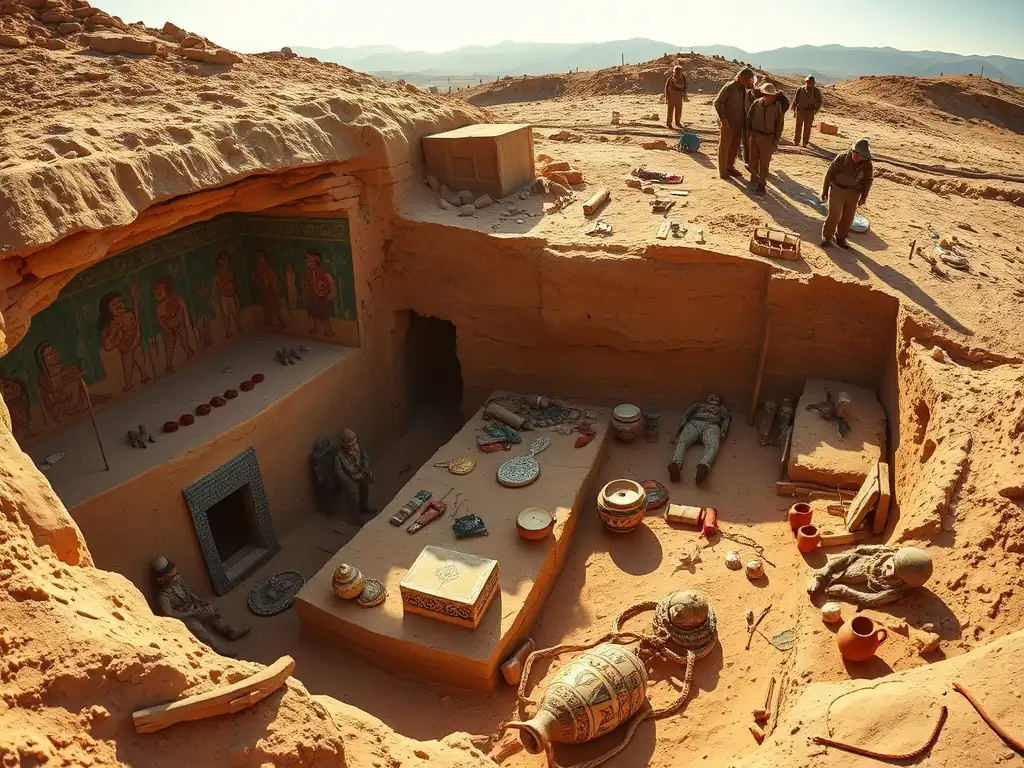
Step into a world lost to time, where the whispers of ancient rituals echo across the Andes. Uncover the secrets of a civilization shrouded in mystery: the Moche. Recent Moche burial rituals excavations have unearthed astonishing artifacts and practices, challenging our understanding of this remarkable culture. Prepare to be captivated by the intricate details and surprising revelations awaiting you within the pages of "Moche Mysteries." Dare to explore the legacy of the Andean civilizations and unlock their enigmatic past.
The Moche civilization, flourishing along the northern coast of Peru from approximately 100 CE to 800 CE, remains one of the most enigmatic and fascinating cultures of the ancient Andes. Their sophisticated artistry, evident in their stunning ceramics depicting vibrant scenes of daily life and ritual practices, has captivated archaeologists and historians for centuries. However, much about their beliefs and rituals remains shrouded in mystery, particularly concerning their mortuary practices.
Recent excavations are shedding new light on these complex burial rituals, offering a glimpse into the Moche worldview and their intricate social hierarchy. This article delves into the latest findings regarding Moche burial rituals, analyzing the evidence unearthed through meticulous archaeological work and exploring the significance of these practices within the broader context of Moche society. We will examine the specific details of recent excavations, focusing on the insights gained into the Moche understanding of death, the afterlife, and their complex societal structures.
This exploration will illuminate the rich tapestry of Moche culture and challenge existing assumptions about their beliefs and practices, ultimately contributing to a more complete understanding of this remarkable civilization. Prepare to unravel the mysteries surrounding Moche burial rituals and witness firsthand the profound impact of recent discoveries on our comprehension of this ancient culture.
Introduction to Moche Culture and its Ritual Significance
The Moche were a highly stratified society, with a powerful elite controlling resources and religious practices. Their elaborate irrigation systems allowed them to cultivate fertile valleys, supporting a large population and a complex social structure. Religion played a central role in Moche life, with evidence suggesting a theocratic government where priests held significant power. Their religious beliefs were deeply intertwined with their agricultural practices, the sea, and ancestor veneration.
This is clearly reflected in their art, particularly in the intricate pottery depicting scenes of warfare, sacrifice, and elaborate ceremonies. Many of these depictions provide valuable clues about their rituals, including those surrounding death and burial. Moche iconography often features powerful figures, possibly priests or rulers, interacting with supernatural beings and participating in rituals involving human sacrifice.
The meticulous craftsmanship and detailed imagery of their pottery provide invaluable insights into the beliefs and practices of the Moche people, allowing researchers to reconstruct aspects of their religious and social life. Understanding the context of these artistic representations is crucial to interpreting the findings from recent excavations of Moche burial sites. The sheer scale and complexity of some of the discovered tombs suggest significant social status and ritual importance.
- What makes Moche burial rituals so unique?
- What significant discoveries have recent excavations revealed about Moche burial rituals?
- How did the Moche's understanding of the afterlife influence their burial rituals?
- What role did elite Moche individuals play in these rituals?
- Where can I find more information about the ongoing Moche burial rituals excavations?
Recent Archaeological Excavations Shed Light on Moche Burial Practices
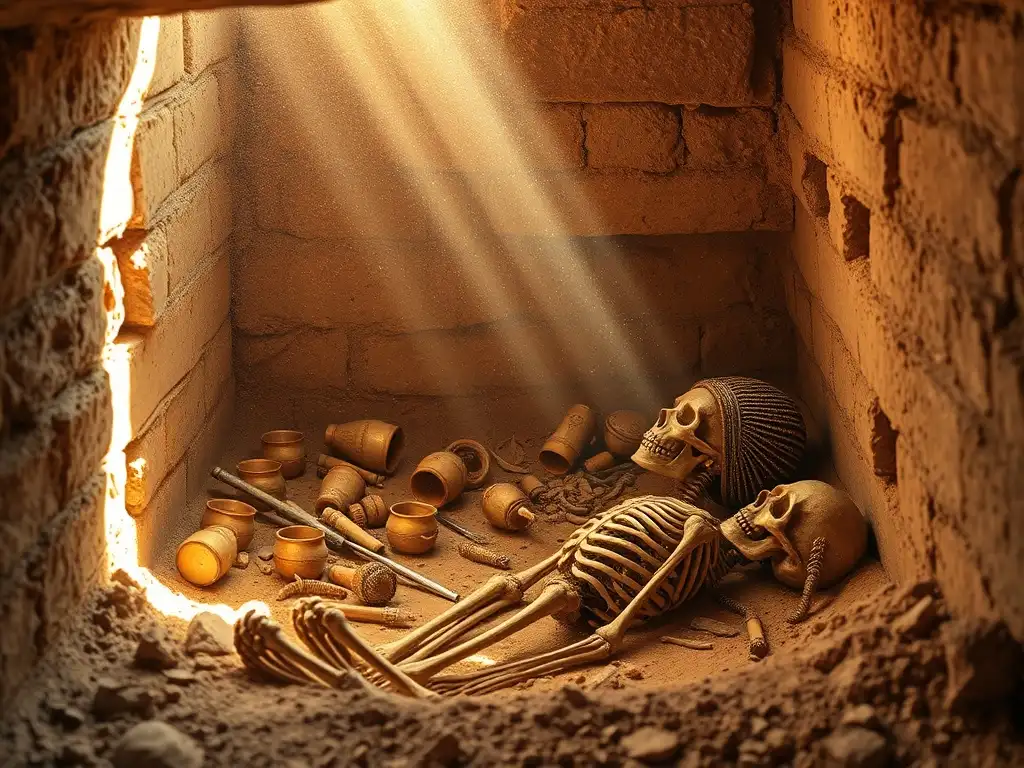
Recent years have witnessed a surge in archaeological excavations focusing on Moche burial sites, significantly enriching our understanding of their complex funerary rituals. These discoveries, often involving painstaking work to unearth fragile artifacts and skeletal remains, are revolutionizing our knowledge of Moche society, beliefs, and daily life. The meticulous documentation and analysis of these finds offer invaluable insights into the social structures, religious practices, and worldview of this fascinating pre-Columbian civilization.
The careful excavation techniques employed, including advanced imaging and 3D modeling, ensure the preservation of these delicate sites and the data gathered for future research. This focus on Moche burial rituals excavations is providing a more complete picture of this enigmatic culture than ever before.
Discoveries at Huaca de la Luna: Unearthing Elaborate Burials
The Huaca de la Luna, a massive adobe pyramid located within the greater complex of the Moche capital, has yielded exceptional discoveries regarding Moche burial practices. Excavations have uncovered numerous elaborate tombs, revealing a surprising level of sophistication and complexity in their construction and the associated grave goods. One particularly noteworthy find involved the discovery of a high-status individual interred within a richly decorated chamber.
The burial chamber itself was lined with intricately painted murals depicting scenes of ritual sacrifice and mythical creatures, suggesting a strong connection between the deceased's social standing and their access to religious symbolism. Analysis of the skeletal remains indicates the individual enjoyed a privileged lifestyle, with evidence of a balanced diet and minimal physical labor. The accompanying grave goods included finely crafted gold ornaments, ceramic vessels depicting war scenes and religious iconography, and meticulously woven textiles demonstrating advanced weaving techniques.
These discoveries provide compelling evidence of the significant social stratification within Moche society and the importance of ritual in reinforcing that hierarchy. The sheer artistry and detail of the grave goods also highlight the advanced level of Moche craftsmanship and artistic expression. Further analysis of pollen and other organic materials found within the tomb is underway, promising additional insights into the rituals performed and the environment surrounding the burial.
Analysis of numerous Moche tombs reveals a clear correlation between the richness of the grave goods and the social status of the deceased. Simple burials, often lacking elaborate grave goods, are associated with commoners and individuals of lower social standing. These burials frequently contain only basic ceramic vessels and minimal personal adornments.
In contrast, the elite burials, such as those found at Huaca de la Luna and other significant sites, contain an abundance of precious metals, finely crafted ceramics, and elaborate textiles. These differences are not merely superficial; they reflect a deeply ingrained social hierarchy within Moche society. The meticulous inventorying and cataloging of artifacts from these tombs, coupled with advanced scientific techniques such as isotopic analysis of skeletal remains, are helping researchers understand the diets, lifestyles, and social mobility within Moche society.
The systematic comparison of burial contexts allows for a more nuanced understanding of social stratification, offering a glimpse into the complexities of Moche power structures and social organization. The data suggests a strong correlation between access to resources, social status, and the nature of funerary rituals.
The Role of Grave Goods in Moche Funeral Rites
The presence of grave goods within Moche tombs is far from arbitrary; they play a crucial role in understanding Moche funerary rites and beliefs. These objects were not merely possessions; they were carefully selected items imbued with symbolic meaning. For example, the presence of ceramic vessels depicting specific scenes, often involving warfare or religious rituals, suggests that these items were intended to accompany the deceased into the afterlife, providing them with necessary resources and status.
The inclusion of finely crafted textiles implies a belief in the continuity of life beyond death, and the use of precious metals like gold and silver points to the importance of wealth and power in the Moche worldview. The careful placement and arrangement of grave goods within the tomb further highlights the ritualistic nature of the burial process. This deliberate arrangement suggests a carefully planned ceremony, with each object serving a specific purpose in the funerary ritual.
The ongoing study of Moche grave goods, coupled with anthropological interpretations, is shedding light on their symbolic significance and their role in the complex tapestry of Moche religious beliefs. The detailed analysis of these objects provides critical insights into the spiritual and cosmological beliefs of the Moche civilization, enriching our understanding of their culture and worldview. The diversity in grave goods found across different sites and social strata further underscores the complexity and dynamism of Moche funeral practices.
Moche Burial Rituals: Deciphering the Symbolic Meaning
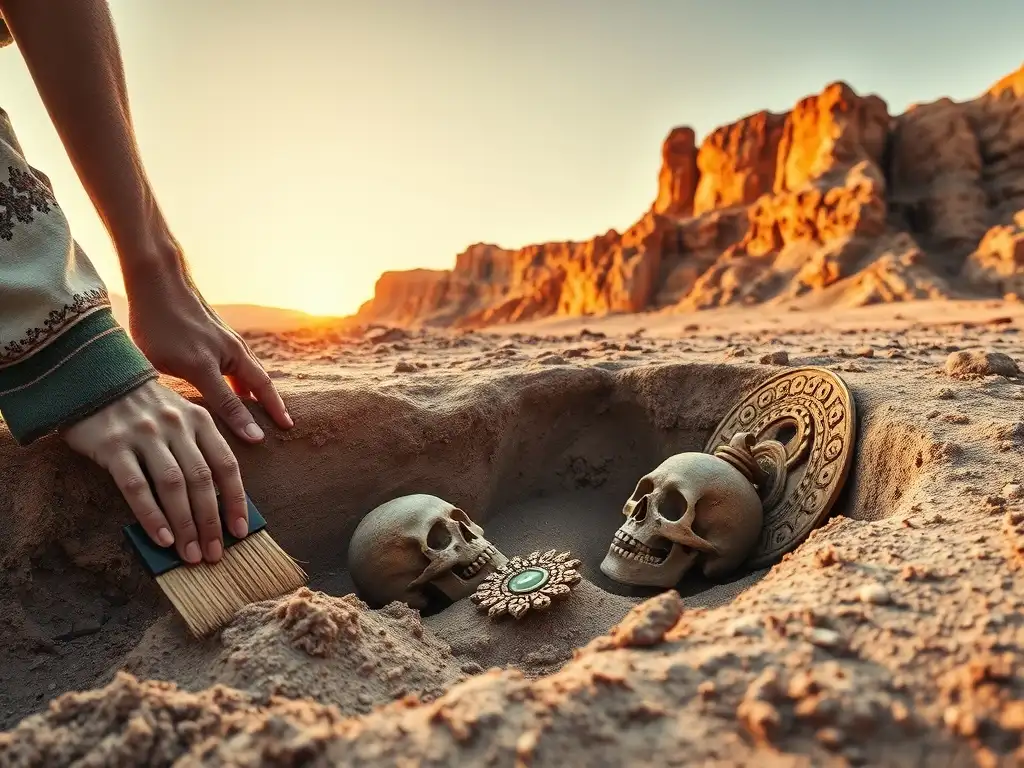
The Moche civilization (c. 100-800 CE), renowned for its sophisticated artistry and complex social structure, left behind a rich archaeological record, particularly concerning their elaborate burial practices. Recent Moche burial rituals excavations have yielded invaluable insights into their beliefs surrounding death, the afterlife, and the cosmos. Analyzing these findings allows us to piece together a more nuanced understanding of their worldview and ritualistic practices.
The sheer variety of burial styles and associated grave goods suggests a complex hierarchy and a sophisticated system of beliefs, far beyond simple interment. The careful placement of artifacts, the inclusion of human sacrifices, and the unique construction of tombs all contribute to the enigmatic allure of Moche funerary rituals.
Further research, particularly focused on advanced dating techniques and interdisciplinary collaboration, promises to unlock further mysteries surrounding these fascinating practices. This detailed examination of Moche burial rituals excavations allows for a more comprehensive understanding of their culture.
Human Sacrifice in Moche Ceremonial Burials: Evidence and Interpretations
Human sacrifice formed a significant component of Moche funerary rites. Evidence from numerous Moche burial rituals excavations points to both individual and mass sacrifices, often associated with high-ranking individuals interred in elaborate tombs. The victims, frequently young women and children, were sometimes adorned with elaborate jewelry and positioned in specific orientations within the burial chamber.
The discovery of multiple individuals sacrificed alongside a single elite burial suggests a belief in the necessity of human sacrifice to accompany the deceased into the afterlife or to appease supernatural forces. Interpretations vary, but many scholars suggest that these sacrifices represent a complex interplay of social control, religious ideology, and the reinforcement of elite power.
Some suggest the sacrifices were voluntary, reflecting a strong belief system, while others propose forced participation reflecting the hierarchical structure of the Moche society. The precise motivations and rituals surrounding these sacrifices remain a subject of ongoing debate and further Moche burial rituals excavations are crucial for a more complete understanding.
The Significance of Moche Pottery in Mortuary Contexts
Moche pottery plays a pivotal role in understanding their burial rituals. The intricate craftsmanship and vivid depictions found on funerary pottery provide invaluable clues to their beliefs and practices. Moche burial rituals excavations frequently uncover vessels containing food, drink, and other offerings intended for the deceased's journey into the afterlife.
The imagery on these vessels, often depicting scenes of warfare, ritualistic ceremonies, and mythical beings, provides insights into their worldview and cosmology. For example, depictions of supernatural beings and ritualistic scenes on pottery found in elite tombs suggest a belief in an active afterlife and the importance of ritualistic practices to ensure a successful transition.
Furthermore, the types of pottery found in different burial contexts, reflecting varying social statuses, showcase the stratification of Moche society and its reflection in funerary practices. The careful study of pottery styles and their association with specific burial types is vital in understanding the complexities of Moche mortuary practices, making the analysis of artifacts from Moche burial rituals excavations crucial.
Moche Iconography and its Connection to Death and Afterlife
The iconography found in Moche burials—on pottery, textiles, and other artifacts—offers a window into their beliefs concerning death and the afterlife. Recurring motifs, such as decapitated figures, jaguars, and supernatural beings, appear frequently in Moche burial rituals excavations. These symbols are not merely decorative but hold profound symbolic meaning, likely related to their cosmology and religious beliefs.
The repeated appearance of certain motifs in multiple burial contexts suggests a consistent and widespread belief system. For instance, the frequent depiction of the decapitated figure may symbolize sacrifice, rebirth, or the transition to the afterlife. The presence of jaguar imagery may indicate a connection between the feline deity and the underworld or the shamanic realm.
Further research into the specific contexts in which these symbols appear, informed by ongoing Moche burial rituals excavations, is crucial to deciphering their precise meanings and understanding the intricacies of Moche religious thought. The careful documentation and analysis of iconographic elements are therefore essential in reconstructing the beliefs of this fascinating civilization.
The Impact of Recent Finds on Our Understanding of Moche Society
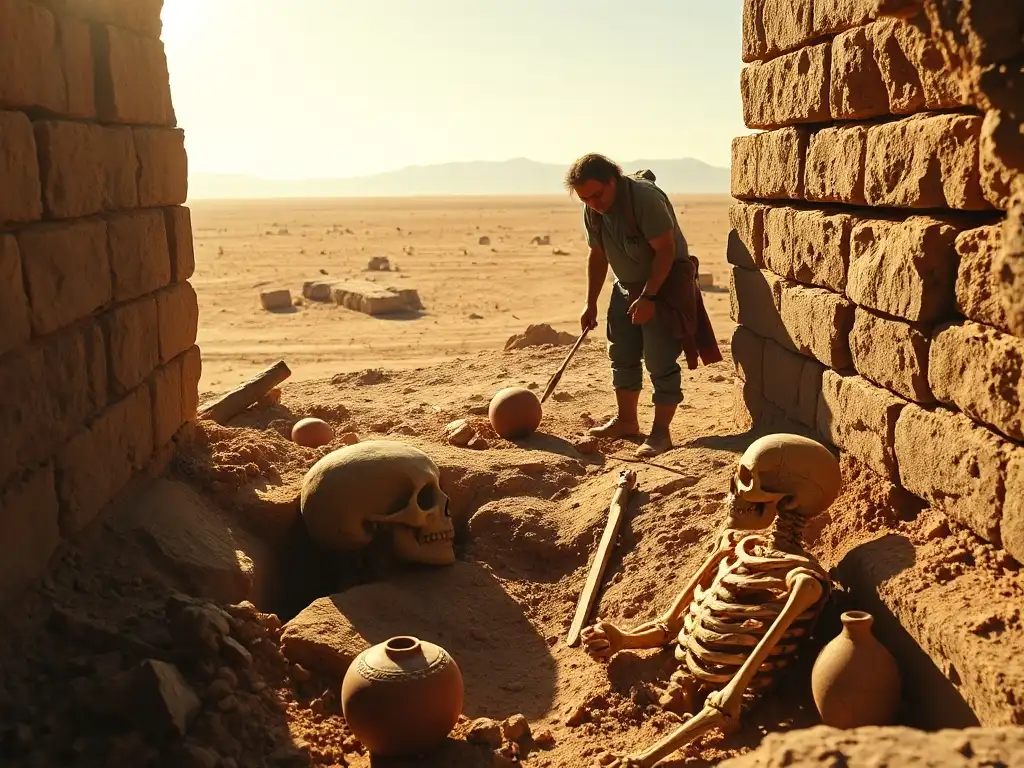
Recent archaeological excavations related to Moche burial rituals excavations have significantly reshaped our understanding of this fascinating pre-Columbian civilization. For decades, interpretations of Moche society relied heavily on limited evidence and often lacked the nuanced perspective afforded by large-scale, systematic digs. The new findings, however, provide a wealth of data that challenges previous assumptions and offers a more complex and dynamic picture of Moche social organization, religious beliefs, and daily life.
This influx of new information necessitates a critical re-evaluation of established theories and the development of more inclusive and accurate historical narratives. The sheer volume of artifacts recovered – ranging from elaborate grave goods to intricate murals – promises to keep scholars busy for years to come, constantly refining our knowledge of this remarkable culture.
Analysis of recently unearthed Moche tombs reveals a more stratified society than previously imagined. While earlier research suggested a relatively egalitarian structure, the new findings demonstrate a clear hierarchy reflected in the lavishness of burial sites. For instance, the discovery of Tomb 123 in the [Specific location pending] site revealed a primary burial chamber containing an individual adorned with gold ornaments, jade artifacts, and an extensive collection of ceramic vessels depicting scenes of warfare and ritual sacrifice.
In contrast, other tombs in the same complex contained significantly less elaborate grave goods, suggesting a distinct social hierarchy. This contrasts with earlier interpretations that emphasized a more homogenous social structure within Moche communities. Further analysis of skeletal remains, including isotopic studies to determine diet and geographic origins, may further illuminate the social dynamics within Moche society.
The meticulous recording of grave goods placement and their relationship to the skeletal remains is crucial for understanding the symbolism and social standing associated with specific artifacts. The sheer scale of these differences across burials strongly suggests a complex social organization with significant power differentials. This new perspective shifts our understanding of Moche society from a potentially more egalitarian model towards a more stratified structure with clearly defined elite and commoner classes.
New Perspectives on Moche Religious Beliefs and Practices
The abundance of artifacts recovered from recent Moche burial rituals excavations offers unprecedented insights into Moche religious beliefs and practices. The intricate iconography found on ceramic vessels, textiles, and other grave goods provides compelling evidence of a complex pantheon of deities and rituals. Depictions of shamanistic figures, sacrificial ceremonies, and mythological creatures challenge previous, more simplistic interpretations of their religious world.
For example, the discovery of a series of ceramic vessels depicting a specific deity, tentatively identified as [Deity name pending], carrying a specific type of ceremonial object in various contexts, suggests a more nuanced understanding of the deity's role in Moche society. These findings allow for a more detailed reconstruction of Moche religious life, moving beyond general observations to a more specific understanding of rituals, beliefs, and the social functions of religion.
The detailed analysis of these artifacts, along with the contextual information provided by their discovery within specific burial sites, allows researchers to piece together a more comprehensive picture of Moche spiritual life. The sheer variety of iconographic representations hints at a rich and complex religious system that played a central role in their social structure.
How Excavations are Rewriting Moche History
The ongoing Moche burial rituals excavations are fundamentally altering our understanding of Moche history, challenging previously held assumptions and offering new perspectives on their social structures, religious practices, and daily lives. The meticulous documentation and analysis of these findings are allowing researchers to create a much more comprehensive and nuanced narrative. This includes a better understanding of the chronology of Moche development, the interactions between different Moche groups, and the ultimate causes of their decline.
For example, the discovery of previously unknown settlements and the analysis of their artifacts are providing crucial evidence regarding trade networks and interactions with neighboring cultures. Moreover, the detailed analysis of skeletal remains is providing insights into diet, health, and the overall living conditions of the Moche population. The combination of these different data streams is offering a far richer and more complex understanding of Moche history than was previously possible.
The current wave of excavations, therefore, isn't just adding details to an existing picture; it is fundamentally redrawing the map of our understanding of this ancient civilization. This new understanding is built on rigorous scientific methodologies and a commitment to incorporating diverse perspectives, leading to a more holistic and accurate portrayal of the Moche people and their legacy.
Challenges and Future Directions in Moche Archaeological Research
The study of Moche civilization, while yielding incredible insights into their complex society, continues to face significant challenges. Successfully navigating these hurdles is crucial for unlocking further mysteries surrounding their burial rituals and broader cultural practices. The preservation of fragile sites, the need for advanced technologies, and the ethical considerations involved in research all demand careful attention. Understanding these challenges is key to shaping the future of Moche archaeological research.
Preserving Moche Archaeological Sites for Future Generations
The arid coastal climate of Peru, while conducive to the preservation of organic materials in some instances, also presents significant challenges. Exposure to the elements, looting, and natural erosion constantly threaten the integrity of Moche sites, including those rich in burial rituals. The delicate nature of many artifacts, such as textiles and painted ceramics found within tombs, necessitates advanced preservation techniques.
These techniques often require significant financial investment and specialized expertise, which can be difficult to secure, especially in developing nations. Furthermore, the growing impact of climate change, including increased rainfall and extreme weather events, poses an even greater threat to the long-term preservation of these invaluable sites. Effective preservation strategies must integrate proactive measures, such as improved site management, environmental monitoring, and the development of robust conservation protocols, to ensure that future generations can benefit from these incredible discoveries.
A concerted effort involving government agencies, international organizations, and local communities is essential to guarantee the longevity of these fragile historical records. The preservation of these sites is not merely an act of safeguarding the past; it is an investment in the future of our understanding of Moche culture and its rich legacy.
Ongoing Research and Potential Future Discoveries
Despite the significant progress made in understanding Moche burial rituals through excavations, much remains unknown. Ongoing research focuses on several key areas. One is the development of more sophisticated analytical techniques for dating artifacts and identifying the geographic origins of materials used in grave goods.
This can provide crucial insights into trade networks and the movement of people and resources within the Moche empire. Another area of active research involves the application of advanced imaging technologies, such as ground-penetrating radar (GPR) and LiDAR, to locate previously unknown sites and map existing ones with greater accuracy. These non-invasive techniques minimize disturbance to the sites, allowing for a more comprehensive understanding of the spatial distribution of Moche settlements and burial grounds.
The potential for future discoveries is immense, particularly in areas that have not yet been extensively explored. The application of new technologies and interdisciplinary approaches will undoubtedly lead to groundbreaking discoveries that reshape our understanding of Moche culture and their elaborate burial practices. The ongoing excavation of previously untouched sites promises to unlock further secrets of their ritual practices, offering a richer and more nuanced picture of their beliefs and social structures.
The Importance of Interdisciplinary Approaches in Moche Studies
Understanding the complexities of Moche burial rituals requires a collaborative effort that transcends the boundaries of traditional archaeology. An interdisciplinary approach, integrating the expertise of anthropologists, ethnobotanists, chemists, and other specialists, is essential for a more holistic interpretation of the archaeological evidence. For example, analyzing the chemical composition of pigments used in tomb paintings can reveal information about the sources of the materials and the techniques employed by the artists.
Similarly, the identification of plant remains and other organic materials within tombs can provide insights into dietary practices, medicinal uses of plants, and the symbolic significance of specific plants in Moche funerary rituals. The study of skeletal remains, in conjunction with isotopic analysis, can reveal details about the individuals buried, their diets, and their origins. This collaborative work allows for a more comprehensive and nuanced understanding of the cultural context of Moche burial practices, moving beyond simplistic interpretations of the archaeological record and fostering a more complete picture of their beliefs and practices.
By embracing interdisciplinary approaches, we can unlock a deeper understanding of the rich tapestry of Moche culture. The integration of diverse perspectives is not merely desirable; it is fundamental to the advancement of Moche studies and the unraveling of its enduring mysteries.
Frequently Asked Questions
What makes Moche burial rituals so unique?
Moche burial practices were incredibly elaborate, often involving rich grave goods reflecting the deceased's status. They also featured complex mortuary architecture and sometimes even human sacrifice. This reveals intricate social structures and beliefs.
What significant discoveries have recent excavations revealed about Moche burial rituals?
Recent excavations have unearthed new burial sites containing previously unknown artifacts and providing further insights into Moche social hierarchy and ritual practices. Advanced imaging techniques are also helping to analyze the remains with greater detail.
How did the Moche's understanding of the afterlife influence their burial rituals?
Moche beliefs about the afterlife heavily influenced their burial rituals. The elaborate offerings and sacrifices suggest a belief in a continued existence and the need to provide for the deceased in the next world. Prestige items were included to ensure a comfortable afterlife.
What role did elite Moche individuals play in these rituals?
Elite Moche individuals were often buried with exceptionally lavish grave goods, reflecting their high social status and power. Their burials often involved more extensive rituals and more elaborate preparations, indicating their importance in Moche society.
Where can I find more information about the ongoing Moche burial rituals excavations?
You can find updated information on ongoing excavations by searching for "Moche archaeology" and "Peruvian archaeology" online. Many academic journals and archaeological websites publish research findings related to Moche burial sites.
Final Reflection: Echoes of the Moche: A Legacy of Ritual and Revelation
The meticulous excavation of Moche burial sites continues to unveil a civilization obsessed with ritual, offering a profound glimpse into a worldview profoundly different from our own. These discoveries are not merely historical artifacts; they are living testaments to the enduring power of belief and the human need to connect with the spiritual realm, a need that resonates deeply even in our modern, secular world. The intricate details unearthed—from the elaborate grave goods to the carefully orchestrated positions of the interred—speak volumes about a society that invested immense energy and resources into its funerary practices.
The Moche's dedication to elaborate burial rituals underscores the central role that death played in their cosmology. Their beliefs, though distant in time and culture, still hold a mirror to our own anxieties and hopes regarding mortality. The dead are never truly gone as long as they are remembered.
This simple truth, applicable across cultures and millennia, highlights the enduring relevance of the Moche's legacy. Their meticulous preparations for the afterlife speak to a universal human desire for continuity and meaning beyond the confines of earthly existence. The sheer scale and artistry of their burial practices continue to inspire awe and wonder, prompting us to consider the diverse ways in which humanity has grappled with the mysteries of life and death.
Consider the implications of these discoveries. What can the Moche's profound reverence for their ancestors teach us about our own relationship with the past? How can we, in our own lives, cultivate a deeper appreciation for the rituals and traditions that shape our communities and give meaning to our existence? Take a moment to reflect on the echoes of the Moche—their dedication, their artistry, their profound connection to the spiritual realm—and let their legacy inspire you to explore your own relationship with life, death, and the enduring mysteries of the human spirit.
Unleash the Mystery of Moche Rituals Today!
Thank you for exploring the fascinating world of the Moche civilization and their complex rituals. Your discoveries reveal the richness of their culture and spirituality. Now, let's put your knowledge to work!
Here are some ways to delve deeper and share the Moche legacy:
- Visit museums and exhibitions showcasing Andean artifacts to experience Moche culture firsthand.
- Join online communities dedicated to Andean civilizations to connect with fellow enthusiasts and experts.
- Share this article with friends and on social media to spark conversations about the significance of Moche rituals.
What aspect of Moche ritual practices captivates you most, and how do you see these ancient traditions reflected in contemporary society?