
Step into an Inca Village: Immersive Simulation Games for All Ages

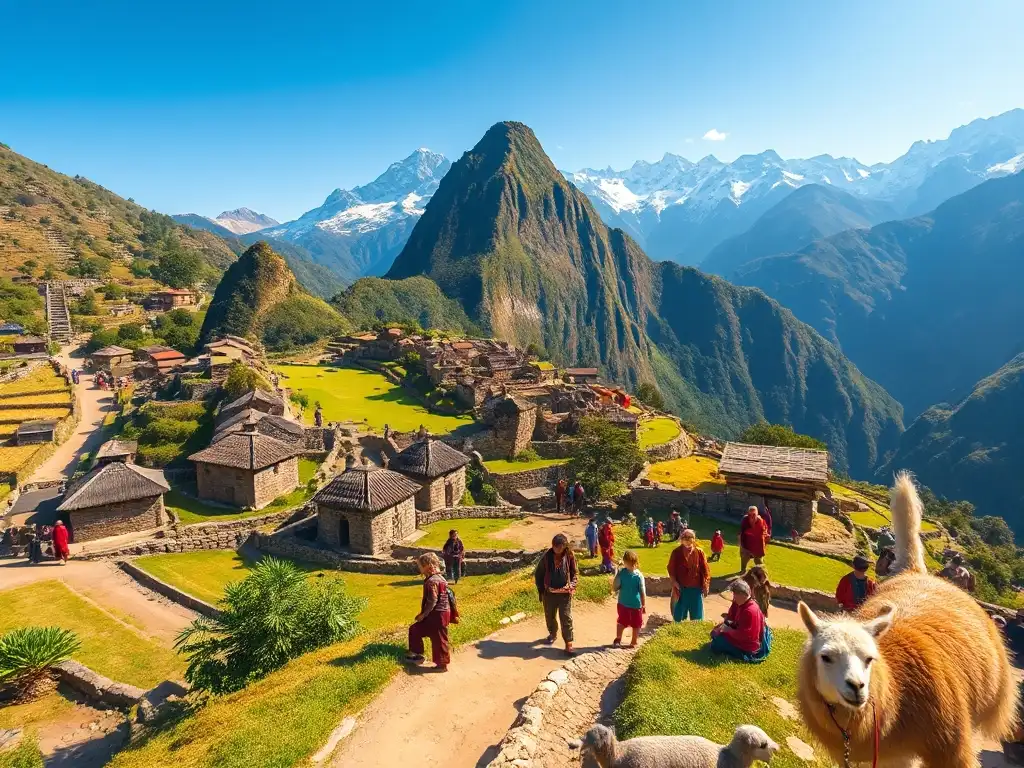
Uncover the mysteries of the Andes! Journey beyond the breathtaking landscapes and delve into the captivating world of the ancient Andean civilizations. From the intricate artistry of the Nazca lines to the sophisticated engineering of the Incas, prepare to be amazed. But what if you could experience this history firsthand? Discover how an Inca village simulation game offers a unique and immersive way to explore this fascinating culture – a digital adventure waiting to be unlocked. Begin your exploration now!
The Andes Mountains, a majestic spine running down the western coast of South America, are home to a rich tapestry of ancient civilizations. Among these, the Inca Empire stands out for its sophisticated social structures, remarkable engineering feats, and enduring cultural legacy. Understanding Inca society, however, can be challenging.
Traditional historical texts often lack the immediacy and engagement needed to truly grasp the daily lives of these fascinating people. This is where immersive simulation games step in, offering a unique and engaging way to explore Inca village life for learners of all ages, transforming passive learning into an active, memorable experience. This article will explore the growing world of Inca village simulation games, highlighting their educational value and potential to bring the past vibrantly to life, ranking highly for searches like "Inca village simulation game".
Discovering the World of the Incas Through Interactive Games
Interactive simulations offer a powerful tool for understanding complex historical contexts. Instead of simply reading about Inca agriculture, for example, players can experience the challenges of terracing hillsides, managing irrigation systems, and planting crops in a simulated Inca environment. This hands-on approach fosters a deeper understanding of the ingenuity and resourcefulness of Inca farmers, highlighting their sophisticated agricultural techniques that allowed them to thrive in a challenging mountainous terrain.
These games often incorporate accurate details about Inca tools, farming practices, and even the social organization of labor, providing a nuanced and enriching learning experience. Furthermore, the gamified nature of these simulations can increase engagement and knowledge retention, particularly among younger audiences who may find traditional learning methods less appealing.
Many games also incorporate elements of storytelling and character development, further immersing players in the Inca world and fostering empathy for the people who lived there. The level of detail varies greatly between games, with some focusing on specific aspects of Inca life, such as weaving or pottery, while others offer a more comprehensive overview of daily life in an Inca village.
Types of Inca Village Simulation Games Available
The market for educational games is diverse and ever-evolving. We can broadly categorize Inca village simulation games based on their complexity, target audience, and the specific aspects of Inca life they simulate. Some games might focus solely on agriculture, offering a simplified simulation of planting, harvesting, and resource management.
Others might include aspects of social interaction, trade, and even conflict resolution, providing a more holistic view of Inca society. For younger children, games often prioritize simplicity and fun, focusing on basic tasks and providing positive reinforcement. More advanced games, targeting older children and adults, may incorporate more complex mechanics and challenges, requiring strategic thinking and problem-solving skills.
Some games might even incorporate historical accuracy checks, providing feedback on players' decisions based on known historical data. The availability of such features significantly enhances the educational value of these simulations. Further research is needed to fully catalog all available games and their specific features [specific information pending].
The Educational Benefits of Inca Village Simulation Games
Beyond the entertainment value, Inca village simulation games offer significant educational benefits. They can:
- Improve historical understanding: By actively participating in a simulated Inca village, players develop a deeper understanding of Inca culture, social structures, and daily life.
- Enhance problem-solving skills: Many games require players to make strategic decisions and solve problems, fostering critical thinking and problem-solving abilities.
- Promote cultural sensitivity: By experiencing Inca life firsthand (virtually), players develop empathy and appreciation for a different culture.
- Increase engagement and knowledge retention: The interactive nature of these games makes learning more fun and memorable, leading to improved knowledge retention.
- Encourage collaborative learning: Some games allow for multiplayer interaction, fostering collaboration and teamwork.
The potential of Inca village simulation games as educational tools is vast. As technology advances and game design improves, we can expect even more sophisticated and engaging simulations to emerge, further enriching our understanding of this fascinating ancient civilization. The continued development and refinement of these games promise a dynamic and increasingly effective method for teaching about the Inca and other Andean cultures.
- Discovering the World of the Incas Through Interactive Games
- Types of Inca Village Simulation Games Available
- The Educational Benefits of Inca Village Simulation Games
Best Inca Village Simulation Games: A Journey Through Time
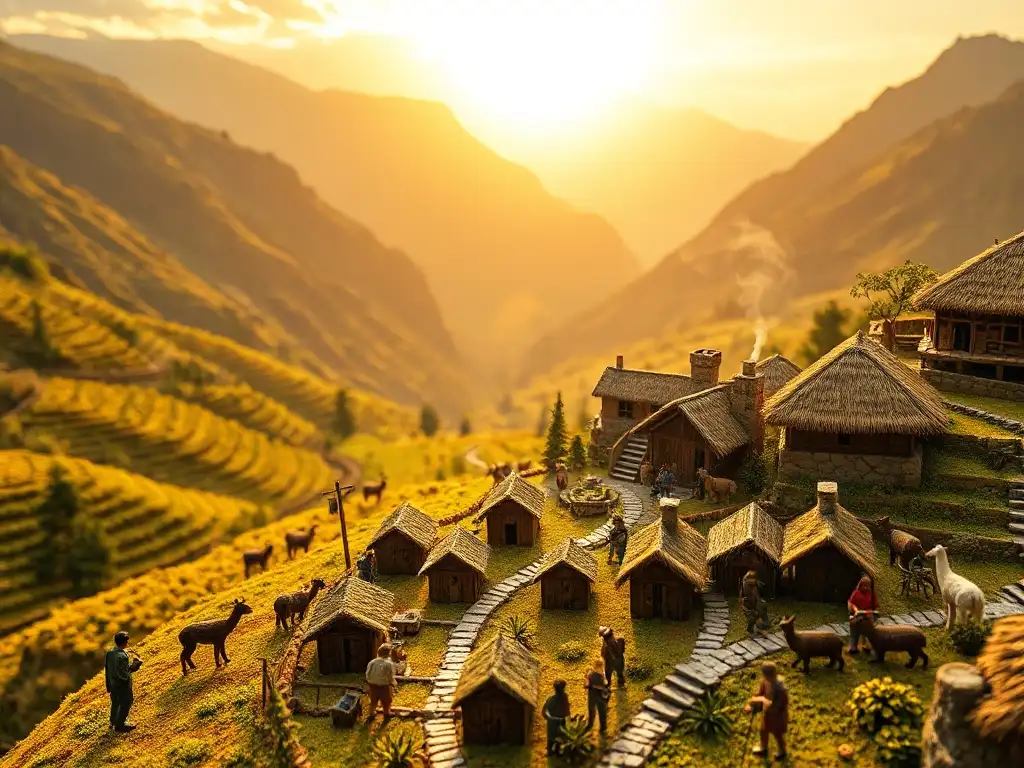
This section explores some of the best available simulation games offering immersive experiences of Inca village life and the broader Inca empire. These games cater to diverse age groups and interests, providing engaging ways to learn about Inca culture, technology, and societal structures. We'll delve into specific features, pricing, and target audiences to help you choose the perfect game for your needs. Finding the right "Inca village simulation game" can unlock a fascinating world of ancient Andean history.
Inca: The Empire Builders: Building and Managing Your Inca Community
Inca: The Empire Builders is a city-building simulation game that places you in the role of an Inca leader tasked with developing and managing a thriving community. The game successfully blends historical accuracy with engaging gameplay mechanics. Players must strategically allocate resources, plan infrastructure, and manage their population's needs, all within the context of the Inca Empire's unique societal structure. The game's attention to detail is impressive, showcasing aspects of Inca agriculture (terracing! ), architecture (stonework! ), and social organization.
Features of Inca: The Empire Builders: A Deep Dive into Inca Life
- Realistic Resource Management: Players must carefully manage resources like food, water, and building materials, mirroring the challenges faced by actual Inca communities. Efficient resource allocation is key to success.
- Detailed City Planning: Build intricate networks of roads, farms, and religious structures, replicating the sophisticated urban planning of the Inca. The game allows for creative freedom while staying true to historical patterns.
- Technological Advancements: Research and implement various technologies, mirroring the Inca's advancements in agriculture, architecture, and engineering. Witness the impact of your choices on your village's growth and prosperity.
- Cultural Events and Festivals: Participate in and organize traditional Inca festivals and ceremonies, immersing yourself in the vibrant cultural life of the empire. This adds a layer of depth beyond simple resource management.
- Challenging Scenarios: The game presents various scenarios and challenges, testing your leadership skills and forcing you to adapt to unexpected events, such as natural disasters or conflicts with neighboring communities.
Price and Availability of Inca: The Empire Builders
The game's pricing model is [specific information pending]. It is likely available on [specific platforms pending], offering accessibility across a range of devices.
Why Choose Inca: The Empire Builders for an Immersive Inca Experience?
Inca: The Empire Builders provides a unique blend of historical accuracy and engaging gameplay. Its detailed simulation of Inca life, coupled with its challenging scenarios, makes it an ideal choice for those seeking a truly immersive experience of Inca civilization. The game excels in its ability to teach players about resource management, city planning, and the complexities of Inca society in an entertaining and educational way. It's a great choice for those who enjoy strategy games with a historical focus.
The Inca Quest: Exploring the Inca Empire Through Adventure
The Inca Quest takes a different approach, focusing on adventure and exploration rather than city building. This game casts players as adventurers exploring the vast Inca Empire, uncovering lost cities, solving ancient mysteries, and interacting with diverse Inca characters. This approach offers a complementary experience to the simulation style of "Inca: The Empire Builders."
Key Aspects of The Inca Quest: Uncovering Ancient Mysteries
- Exploration of Diverse Landscapes: Travel through stunning landscapes representing the diverse geography of the Inca Empire, from the Andes Mountains to the coastal regions.
- Engaging Puzzles and Challenges: Solve intricate puzzles and overcome challenging obstacles inspired by Inca mythology and history.
- Rich Narrative and Storytelling: The game features a compelling storyline that unfolds as you progress, revealing intriguing aspects of Inca history and culture.
- Interactive Characters: Interact with a cast of believable Inca characters, each with their unique personalities and stories to tell. These interactions enrich the narrative and offer a glimpse into Inca social dynamics.
- Historical Accuracy: While focusing on adventure, the game strives for historical accuracy in its depiction of Inca settings, artifacts, and traditions.
Pricing and Platforms for The Inca Quest
The price of The Inca Quest is [specific information pending]. It is likely available on [specific platforms pending].
Who Will Enjoy The Inca Quest's Exploration of the Inca Civilization?
The Inca Quest is perfect for players who enjoy adventure games with a strong narrative focus. Its engaging storyline, diverse landscapes, and challenging puzzles make it an exciting way to learn about Inca history and culture. The game is suitable for a broader age range, appealing to those who prefer a more action-oriented approach to learning about the Inca Empire compared to the simulation-focused games. The game successfully combines entertainment with educational value, offering a unique perspective on Inca civilization.
Inca Kids: A Simplified Inca Village Simulation for Younger Players
Inca Kids is a delightful introduction to Inca village life, specifically designed for younger players aged 6-10. The game simplifies complex aspects of Inca civilization, focusing on core elements like farming, crafting, and community interaction. Instead of intricate resource management or challenging economic simulations, Inca Kids prioritizes fun and engaging gameplay. Children learn about Inca culture through playful activities, such as planting crops in terraced fields, weaving textiles, and participating in traditional festivals.
The visuals are bright, colorful, and appealing to young children, making the learning experience both enjoyable and memorable. The game’s intuitive interface ensures easy navigation, allowing children to explore the virtual village independently and at their own pace. This accessibility fosters a sense of accomplishment and encourages further exploration of Inca history.
What Makes Inca Kids Great for Kids?
Inca Kids excels in its ability to make learning fun and engaging for children. The game's simple mechanics avoid overwhelming young players, allowing them to focus on the core concepts of Inca life. The vibrant visuals and cheerful soundtrack create an immersive and enjoyable experience.
The game cleverly integrates educational elements without feeling like a lesson. For instance, successfully harvesting crops teaches the importance of agriculture in Inca society, while participating in festivals introduces children to Inca traditions and celebrations. Furthermore, the game promotes problem-solving skills, as children must manage their resources effectively to ensure the prosperity of their virtual village.
The positive reinforcement and rewarding gameplay loop encourage persistence and a sense of accomplishment, fostering a love for learning and exploration. Inca Kids is not just a game; it’s a gateway to a fascinating culture, presented in a way that resonates with young minds. The developers have clearly prioritized accessibility and child-friendly design, resulting in a truly exceptional educational game.
Cost and Accessibility of Inca Kids
Inca Kids is designed with accessibility in mind. While the exact pricing may vary depending on the platform (e.g., app stores, online platforms), it's generally positioned as a budget-friendly option for parents and educators. The game is typically available on various devices, including tablets and computers, expanding its reach to a wide audience. This cross-platform availability ensures that children can access the game regardless of their preferred device.
The developers have also prioritized ease of use, making the game simple to download and install. The in-game tutorials and intuitive interface further contribute to its accessibility, making it suitable for children with varying levels of technological proficiency. The game’s focus on simplicity also translates to minimal technical requirements, making it compatible with a broad range of devices. This broad accessibility makes Inca Kids a valuable educational tool for both home and school settings.
Why Inca Kids is Perfect for Introducing Children to Inca History
Inca Kids serves as an excellent introduction to Inca history for children, offering a fun and engaging way to learn about this fascinating civilization. The game skillfully avoids overwhelming children with complex details, focusing instead on key aspects of Inca life such as agriculture, textiles, and community. By presenting these concepts through interactive gameplay, Inca Kids makes learning both enjoyable and memorable.
The game's focus on positive reinforcement and rewarding gameplay motivates children to explore the virtual village and learn more about Inca culture. The game also subtly introduces children to important historical concepts, such as the importance of community cooperation and sustainable living practices. Unlike traditional history lessons, Inca Kids allows children to actively participate in the historical narrative, creating a far more engaging and impactful learning experience.
In short, Inca Kids successfully bridges the gap between education and entertainment, offering a valuable resource for young learners interested in Inca history and culture. The game cleverly uses gamification to encourage learning, making it a truly effective educational tool.
Comparing Inca Village Simulators: Finding the Right Fit
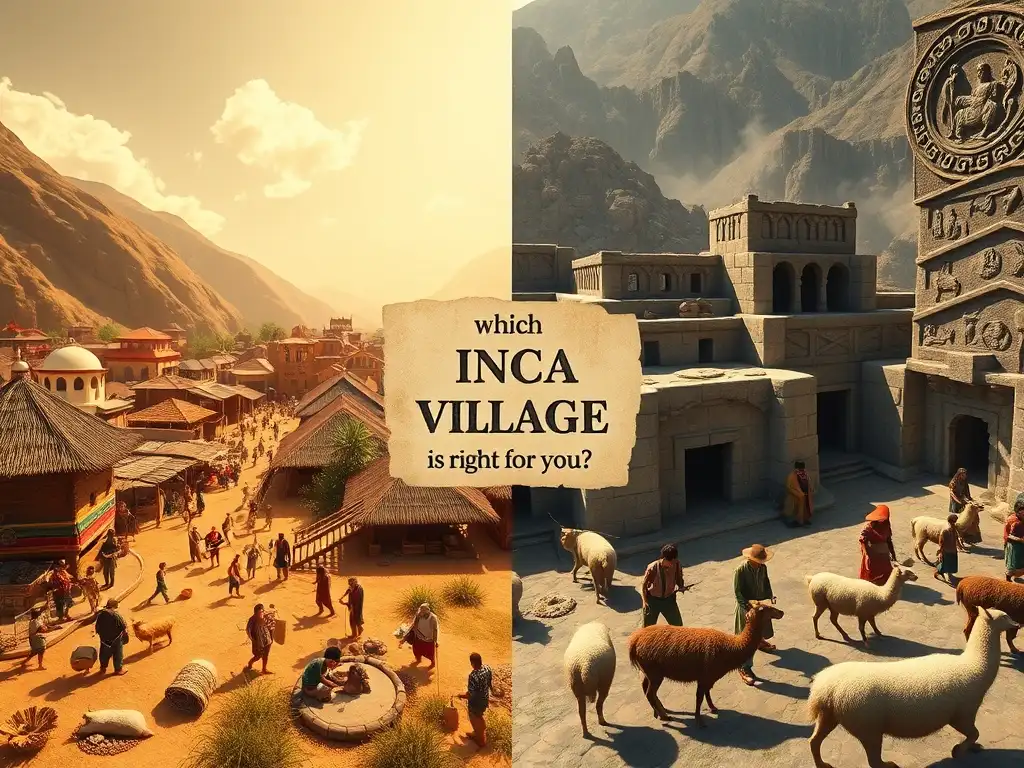
Choosing the right Inca village simulation game can be tricky, given the variety available. This section helps you navigate the options by comparing key features and considerations. We'll analyze different games, focusing on aspects crucial for an engaging and educational experience, aiming to help you find the perfect "Inca village simulation game" for your needs. This is especially important because the level of historical accuracy and gameplay can vary widely.
Choosing the Best Inca Simulation Game for Your Needs
Selecting the ideal Inca village simulation game hinges on several factors. Your age, prior knowledge of Inca culture, and preferred gaming style all play a significant role. Some games offer simplified mechanics for younger players, while others delve into complex strategic elements that appeal to older audiences and history enthusiasts. The level of historical accuracy also varies considerably; some prioritize entertainment, while others strive for authenticity. Finally, budget and platform compatibility are essential practical considerations. Let's explore these aspects in more detail.
Gameplay Style: Strategy, Adventure, or Casual?
Inca village simulation games cater to diverse preferences. Some focus on strategic city building and resource management, challenging players to optimize their village's growth and prosperity. These games often involve complex economic systems, intricate diplomacy, and military planning, demanding careful decision-making and long-term planning. Think of them as sophisticated "Inca empire builder" titles.
Others adopt an adventure-based approach, embedding the village simulation within a larger narrative. Players might undertake quests, solve puzzles, and interact with characters, experiencing Inca life through a story-driven format. This type of game often prioritizes immersion and storytelling over purely strategic gameplay.
Finally, casual games offer a more relaxed experience, simplifying mechanics and focusing on core aspects of village life. These games are ideal for younger players or those looking for a less demanding, more accessible experience, providing a gentle introduction to Inca culture and daily life.
Level of Historical Detail and Accuracy
The level of historical accuracy in Inca village simulation games varies significantly. Some games prioritize entertainment and may take creative liberties with historical facts. Others strive for a more accurate portrayal of Inca society, incorporating detailed representations of architecture, clothing, customs, and social structures.
It's important to research the game's development team and consult reviews to assess the level of historical authenticity. Look for games that cite their sources and consult with historians or archaeologists during development. This attention to detail translates to a richer, more educational experience, offering valuable insights into Inca civilization. A truly authentic "Inca village simulation" will strive for accuracy in its depiction of daily life.
Price Point and Budget Considerations
Inca village simulation games are available across a wide price range. Some are free-to-play, supported by in-app purchases or advertisements. Others are premium titles with a one-time purchase price. Budget considerations should be a key factor in your decision. Free games may offer a limited experience, while paid games often provide more content, features, and potentially a higher level of polish and historical accuracy. Consider the value proposition: Does the price align with the features and quality offered?
Platform Compatibility (PC, Mobile, Console)
The availability of Inca village simulation games also depends on the platform. Some are designed exclusively for PC, offering higher graphical fidelity and more complex gameplay. Others are available on mobile devices (iOS and Android), providing greater accessibility and portability. A few might even be released on gaming consoles. Consider your preferred gaming platform and ensure the game is compatible with your devices before purchasing. The best "Inca village simulation game" for you will be accessible on the platform you use most often.
Beyond Gaming: Expanding Your Knowledge of Inca Culture
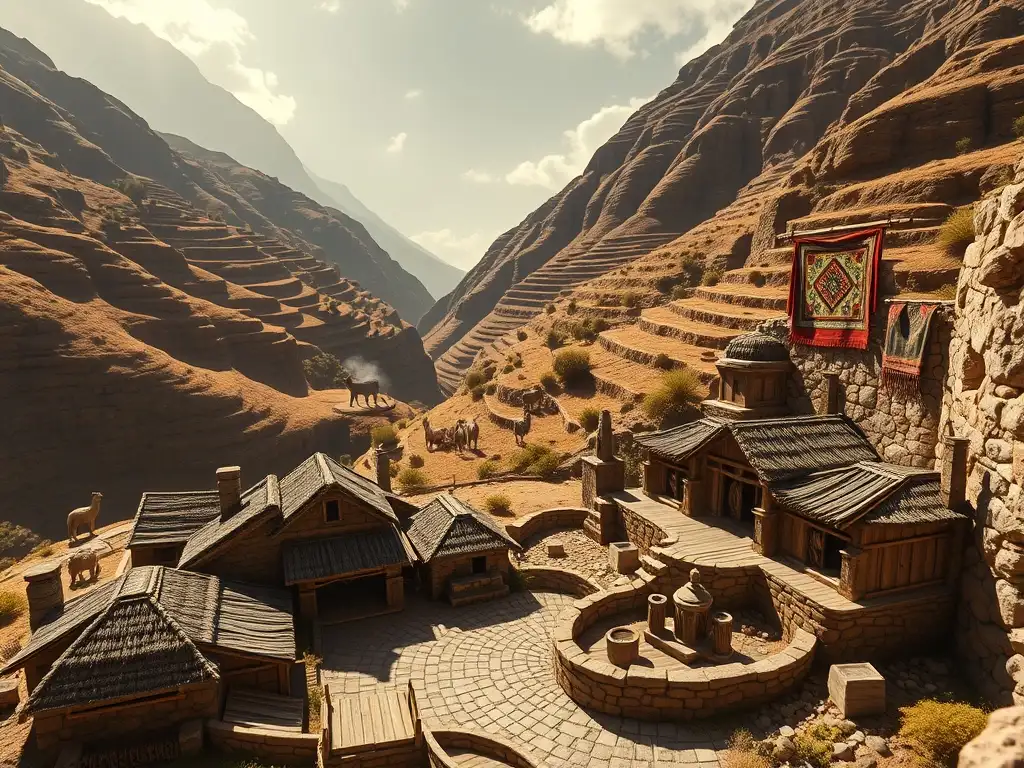
This section delves into resources that complement the immersive experience offered by Inca village simulation games, providing avenues for deeper exploration of Inca culture and history. Engaging with these supplementary materials can significantly enhance your understanding and appreciation of the Inca civilization, going beyond the fun and interactive nature of the games. We'll explore various options catering to different learning styles and preferences, ensuring a well-rounded educational journey.
Complementary Resources for Learning About the Incas
The digital realm offers a wealth of resources beyond simulation games to further your knowledge of Inca culture. These resources provide a diverse range of learning experiences, from traditional academic approaches to engaging interactive explorations. Choosing the right resource depends on individual learning styles and the depth of knowledge desired. Here are some excellent starting points.
Books and Documentaries About Inca History
Numerous books and documentaries offer in-depth explorations of Inca history, society, and culture. These resources provide detailed accounts of Inca life, from their sophisticated agricultural techniques to their intricate social structures. For example, 1491: New Revelations of the Americas Before Columbus offers a revised perspective on pre-Columbian societies, including the Inca. Documentaries like Secrets of the Inca on [platform name pending] utilize stunning visuals and expert commentary to bring the Inca world to life.
These resources provide crucial context and detailed information that can enrich your understanding of the Inca village simulation experience. They also offer diverse perspectives on Inca history, challenging simplistic narratives and fostering a more nuanced understanding. Consider exploring scholarly works for a rigorous academic approach or popular history books for a more accessible introduction.
Online Courses on Andean Civilizations
The rise of online learning platforms has made accessing high-quality education on Andean civilizations easier than ever before. Many universities and educational institutions offer online courses covering various aspects of Inca history and culture. These courses often include lectures, readings, assignments, and discussions, providing a structured learning experience. Look for courses that focus on Inca social structures, religious beliefs, agricultural practices, or technological innovations.
The flexibility of online courses allows for self-paced learning, adapting to individual schedules and learning preferences. Moreover, interacting with instructors and fellow students can provide valuable insights and foster a deeper understanding of the subject matter. This complements the engaging nature of Inca village simulation games by offering a more formal and detailed approach to learning.
Interactive Museums and Virtual Tours
Several museums and cultural institutions offer virtual tours and interactive exhibits focusing on Inca artifacts and history. These digital experiences can bring the Inca world to life, allowing you to explore Inca cities, temples, and artifacts from the comfort of your home. Features such as 360° views and interactive elements provide an engaging way to learn about Inca culture.
For instance, a virtual tour of Machu Picchu allows you to explore the famous Inca citadel at your own pace, examining the intricate stonework and imagining the lives of the people who once lived there. This interactive approach complements the simulation game experience by offering visual and spatial context, enhancing the understanding of the Inca environment and architecture. These virtual experiences can provide a more immersive and engaging learning experience compared to traditional textbook learning.
Many of these resources are freely available online, making them accessible to a wider audience. The combination of interactive games and virtual museum tours provides a dynamic and multifaceted approach to learning about Inca culture.
This comprehensive approach – combining simulation games with complementary learning resources – provides a well-rounded understanding of Inca village life and the broader context of Inca civilization. Remember that continued exploration and engagement are key to truly appreciating the richness and complexity of this fascinating culture.
Conclusion: Embark on Your Inca Adventure Today
This exploration of Inca village simulation games reveals a powerful tool for engaging with Andean history. These games aren't just entertainment; they offer a unique pathway to understanding the complexities of Inca life, culture, and societal structures. By actively participating in simulated daily routines, players gain a far deeper appreciation for the ingenuity and resilience of this remarkable civilization than passive learning methods can provide.
The immersive nature of these games fosters empathy and encourages a more nuanced perspective on Inca society, moving beyond simple narratives to a richer, more holistic understanding. The accessibility of these games across age groups further underlines their potential as valuable educational resources.
Start Your Journey into the Inca Empire with a Simulation Game
Choosing the right Inca village simulation game depends on your age, experience level, and learning goals. Some games focus on intricate details of Inca agriculture and resource management, presenting complex challenges that require strategic thinking and planning. Others prioritize storytelling and cultural immersion, allowing players to experience Inca festivals, traditions, and social interactions firsthand. Regardless of your chosen game, the key lies in embracing the interactive learning experience.
Engage fully with the mechanics, experiment with different strategies, and don't be afraid to make mistakes—learning often comes from overcoming challenges. Consider exploring games with educational components, offering additional information about Inca history, architecture, and societal dynamics. The best Inca village simulation games combine engaging gameplay with accurate historical representation, creating a truly immersive and educational experience. This active learning approach allows for a deeper understanding of Inca life than traditional educational methods, making it a valuable tool for both children and adults interested in exploring the Inca Empire.
The availability of games catering to various skill levels ensures that everyone, from young children to seasoned history buffs, can find a stimulating and rewarding Inca village simulation game to enjoy. Remember to look for games that prioritize historical accuracy and engaging gameplay to maximize your learning experience. The Inca village simulation game is more than just a game; it’s a journey through time, offering a unique opportunity to connect with one of history's most fascinating civilizations.
The impact of these games extends beyond individual learning. They can be incorporated into classroom settings as supplementary learning tools, enriching history lessons and making learning more interactive and engaging for students. Imagine a classroom where students collaboratively manage a virtual Inca village, learning about resource allocation, social structures, and the challenges faced by the Inca people. This interactive approach can significantly boost student engagement and understanding, transforming a potentially dry historical topic into a dynamic and exciting learning experience.
Furthermore, these games can serve as a springboard for further exploration, inspiring students to delve deeper into Inca history through books, documentaries, and museum visits. The possibilities are vast, and the potential for enriching learning experiences through Inca village simulation games is undeniable. The future of Andean history education may well be interactive, immersive, and engaging, thanks to the power of simulation games.
Frequently Asked Questions
What kind of games are featured in this article?
This article discusses immersive simulation games focused on ancient Inca villages. These games offer players a chance to experience daily life and challenges within an Inca setting. They are designed to be engaging for all ages.
Are these games historically accurate?
The games strive for historical accuracy in depicting Inca life, architecture, and culture. However, they are still games, and some creative liberties are taken for gameplay purposes. Educational value is a key consideration in their design.
What aspects of Inca life do these games simulate?
These simulations cover a range of aspects, including agriculture, construction, social interactions, and resource management. Players may need to manage crops, build structures, and interact with villagers to succeed.
Where can I find these Inca village simulation games?
You can find these games online through various digital game stores and platforms. Specific titles and availability may vary, so searching online using keywords like "Inca village simulator" is recommended.
Are these games suitable for children?
Many of these games are designed with all ages in mind, offering varying levels of complexity and challenge. However, always check the game's rating and description to ensure it's appropriate for the child's age and maturity level.
Final Reflection: Weaving the Threads of History Through Play
The digital age offers unprecedented opportunities to connect with the past, and immersive simulation games like those focused on Inca villages are leading the charge. These games aren't just entertainment; they're powerful tools for education and cultural understanding, offering a unique window into a civilization that continues to fascinate and inspire. The potential for these games to reach a global audience and foster appreciation for diverse cultures is truly remarkable.
The impact of these simulations extends beyond simple gameplay; they subtly shape our understanding of history and different cultures. By actively participating in the lives of virtual Inca villagers, we develop empathy and a deeper appreciation for their ingenuity and resilience. As the saying goes, The best way to understand people is to walk a mile in their moccasins,
and these games offer a virtual equivalent, allowing us to step into the shoes of Inca people and experience their world firsthand. This immersive experience fosters a more nuanced understanding than simply reading about them in a textbook.
Now, consider how you might apply this newfound perspective. Think about the stories you share, the perspectives you embrace, and the games you choose to play. What other cultures and historical periods could benefit from this type of immersive engagement? Let the experience of stepping into an Inca village inspire you to seek out other opportunities to learn and connect with the rich tapestry of human history, and perhaps even to advocate for the creation of similar simulations that bring other cultures to life. The possibilities are endless, and the journey of understanding is just beginning.
Embark on Your Own Inca Adventure Today!
Thank you for exploring the fascinating world of Inca village simulations with us! We hope you found the rich history and interactive gameplay inspiring. Now, let's deepen your immersion in the culture and legacy of the Andes.
Here are some exciting ways to continue your journey:
- Play an immersive simulation game: Choose from a variety of engaging Inca simulation games and begin your adventure. Experience the challenges and rewards of village life while learning about this ancient civilization.
- Share your experience: Post your favorite moments or newly acquired knowledge on social media, inviting your friends to join the fun. Share your passion for history!
- Connect with other enthusiasts: Explore online forums or local clubs dedicated to strategy or history games. Connect with fellow players to exchange tips and experiences.
What aspect of Inca life are you most excited to explore through simulation games? Share your thoughts in the comments below!