
Unveiling the Mysteries of Paracas: A Journey into Ancient Coastal Peru

Welcome to Andean Civilizations! Prepare to be captivated by the breathtaking legacy of ancient Peru. We delve into the fascinating tapestry of Andean cultures, from the towering achievements of the Inca to the enigmatic artistry of lesser-known societies. But our journey begins with a civilization shrouded in mystery: the Paracas. Discover the secrets of their advanced textile techniques, intricate burial rituals, and the enduring impact of their unique ancient civilization history. Dare to explore their world – the mysteries await.
The arid coastal plains of southern Peru hold secrets whispered on the wind – the secrets of the Paracas culture, a remarkable civilization that flourished between 800 BCE and 200 CE. This enigmatic society, predating the Inca by centuries, left behind a legacy of breathtaking textiles, intricate pottery, and intriguing burial practices that continue to captivate archaeologists and historians alike.
This article delves into the fascinating history of the Paracas people, exploring their societal structures, artistic achievements, and the enduring mysteries surrounding their unique cultural identity. Understanding the Paracas is crucial to comprehending the complex tapestry of pre-Incan coastal cultures and their contribution to the rich heritage of ancient Peru.
We will unravel the threads of their story, examining their advancements in technology, their religious beliefs, and their ultimate fate, piecing together a clearer picture of this remarkable ancient civilization. Prepare to embark on a journey through time, as we explore the captivating world of Paracas and its enduring legacy.
The Paracas Necropolis: A Glimpse into the Afterlife
The Paracas Necropolis, a sprawling cemetery located near the modern-day town of Paracas, is perhaps the most famous testament to this ancient civilization. It contains thousands of elaborate burial bundles, each a testament to the Paracas' complex funerary rituals. These bundles, often containing the mummified remains of individuals adorned with intricate textiles and precious artifacts, provide invaluable insights into their social hierarchy and beliefs about the afterlife.
Archaeological excavations have revealed a remarkable variety in the grave goods, suggesting a stratified society with distinct levels of wealth and status. The sheer scale of the necropolis itself underscores the importance placed on death and the transition to the next world in Paracas culture.
Detailed analysis of the mummification techniques, the types of artifacts found, and the arrangement of the bodies within the bundles continues to reveal new information about their funerary practices and social organization. The sheer number of tombs suggests a populous and prosperous society, flourishing for several centuries along the harsh but productive coastal regions.
Masterful Textiles: A Legacy of Artistic Prowess
Paracas textiles are renowned throughout the world for their exceptional artistry and technical skill. The vibrant colors, intricate designs, and innovative weaving techniques employed by Paracas artisans represent a pinnacle of pre-Columbian textile production. From the use of complex dyeing techniques to the creation of incredibly fine and delicate fabrics, their mastery of textile production is truly remarkable.
The intricate designs often incorporated symbolic motifs related to their religious beliefs and cosmology, reflecting a sophisticated understanding of their world. Many textiles depict stylized animals, plants, and human figures, providing clues to their worldview and societal structures. The sheer variety of techniques and designs found in Paracas textiles suggests a high degree of specialization and a complex division of labor within the society.
The longevity and preservation of these textiles are also remarkable, a testament to the quality of materials and the skill of the artisans. These textiles are not merely decorative items; they are important historical documents, revealing much about Paracas society, beliefs, and artistic achievements.
Ceramics and Iconography: Deciphering Paracas Beliefs
Paracas pottery, though less famous than their textiles, offers valuable insights into their religious beliefs and daily life. While not as technically advanced as their textiles, the pottery exhibits a distinctive style and iconography. The shapes and decorations often feature stylized human figures, animals, and mythical creatures, all contributing to our understanding of Paracas mythology and cosmology.
The use of specific colors and motifs in different contexts may also indicate specific religious or ceremonial practices. Further research is needed to fully decipher the meaning of the various symbols and iconography found on Paracas ceramics. Analysis of the chemical composition of the clay and pigments used in the pottery can provide further insights into their trade networks and access to resources.
The study of Paracas ceramics, in conjunction with other archaeological findings, provides a more comprehensive understanding of this remarkable ancient civilization. The careful examination of their artistic output reveals a rich and complex spiritual life.
The Paracas' Legacy and its Impact on Subsequent Cultures
The Paracas culture, though relatively short-lived, left an undeniable mark on subsequent Andean civilizations. Their innovative textile techniques, unique artistic styles, and advanced knowledge of mummification influenced the cultures that followed, including the Nazca. Many of the artistic motifs and stylistic elements found in Paracas art reappear in later cultures, suggesting a continuity of cultural traditions and influences.
The Paracas' mastery of textile production, in particular, had a lasting impact on Andean textile traditions for centuries to come. Further research is needed to fully understand the extent of Paracas influence on later cultures and their contribution to the broader development of Andean civilization. The legacy of the Paracas extends far beyond their physical remains, enriching our understanding of the cultural development of the Andean region.
Their innovations and artistic achievements serve as a testament to the ingenuity and resilience of this ancient coastal society. The exploration of their legacy continues to unveil new facets of this fascinating civilization and its enduring impact.
- The Paracas Necropolis: A Glimpse into the Afterlife
- Masterful Textiles: A Legacy of Artistic Prowess
- Ceramics and Iconography: Deciphering Paracas Beliefs
- The Paracas' Legacy and its Impact on Subsequent Cultures
- The Unparalleled Skill of Paracas Textile Weavers
- Paracas Textile Motifs: Exploring their Symbolic Meaning
- Paracas Ceramics: Styles, Forms, and Decoration
- The Role of Art in Paracas Society
- Textile Production Techniques: A Masterclass in Andean Weaving
- The Iconography of Paracas Textiles: Decoding the Symbols
- What is the Paracas culture known for?
- Where and when did the Paracas civilization flourish?
- How did the Paracas people differ from other Andean cultures?
- What are some significant archaeological sites associated with the Paracas culture?
- What is the relationship between the Paracas and Nazca cultures?
The Enigmatic Paracas Culture: An Introduction
This section delves into the fascinating world of the Paracas culture, a pre-Inca civilization that flourished along the southern coast of Peru between 700 BCE and 200 CE. Their unique artistic expression, sophisticated textile production, and intriguing burial practices leave a lasting legacy that continues to captivate archaeologists and historians alike. Understanding the Paracas civilization offers a crucial window into the complex tapestry of ancient Andean societies, contributing significantly to our comprehension of "Paracas ancient civilization history".
We will explore their societal structures, technological advancements, and the enduring mystery surrounding their sudden decline, adding to the existing body of knowledge on this remarkable culture. The Paracas' influence on subsequent Andean civilizations, including the Nazca, is undeniable and warrants a close examination of their societal and cultural practices.
Coastal Peru and its Pre-Incan Heritage
The arid coastal region of southern Peru, seemingly inhospitable, provided a surprisingly fertile environment for the development of several complex pre-Inca societies. The Paracas civilization thrived in this challenging landscape, developing innovative irrigation systems to cultivate crops like cotton and maize. These sophisticated water management techniques were essential for their survival and allowed them to support a relatively large population. Their mastery of agriculture, coupled with their expertise in fishing and maritime activities, formed the economic backbone of their society.
This resourcefulness, characteristic of many coastal Andean cultures, allowed them to flourish for centuries, leaving behind a rich archaeological record that continues to be unearthed and studied. The unique challenges posed by the environment directly shaped their cultural practices and technological innovations. The area’s unique geography played a crucial role in shaping the unique aspects of Paracas ancient civilization history.
Overview of the Paracas Civilization
The Paracas culture is broadly divided into two periods: Early Paracas (800-200 BCE) and Late Paracas (200 BCE-100 CE). The Early Paracas period is characterized by its distinctive pottery, often decorated with intricate designs and vibrant colors. These ceramic pieces showcase a high level of artistic skill and provide valuable insights into their daily life, religious beliefs, and social structures.
In contrast, the Late Paracas period is renowned for its extraordinary textile production. The Paracas people were masters of textile art, creating incredibly detailed and complex tapestries using a variety of techniques, including embroidery, weaving, and dyeing. These textiles are often adorned with intricate representations of mythical creatures, deities, and scenes from their daily life, reflecting the sophisticated worldview of this ancient civilization.
The remarkable preservation of these textiles, often found in their elaborate burial sites, is a testament to the advanced techniques they employed in their textile production, and the advanced understanding of the environmental conditions that contributed to the preservation of their artifacts. The mummification practices of the Paracas people are another fascinating aspect of their culture.
Their unique mummification techniques, involving the removal of internal organs and the careful wrapping of the body in textiles, resulted in remarkably preserved mummies that provide invaluable information about their physical characteristics, health, and even their diet. The study of Paracas mummies offers a rare glimpse into the lives and health of this ancient population, adding another layer to our understanding of "Paracas ancient civilization history".
Further research continues to shed light on the intricacies of their burial rituals and their societal organization, revealing a complex and fascinating society that thrived along the Peruvian coast.
Paracas Chronology and Cultural Development
This section delves into the chronological development of the Paracas culture, exploring its distinct phases and significant shifts in societal organization, burial rituals, and artistic expression. Understanding this timeline is crucial to appreciating the complexity and lasting impact of this ancient Peruvian civilization. The Paracas culture's evolution provides a fascinating case study of adaptation, innovation, and interaction with neighboring groups along the southern Peruvian coast. We'll examine key periods and their defining characteristics, tracing the trajectory of this remarkable ancient civilization.
Early Paracas: The Beginnings of a Coastal Society
The Early Paracas period (approximately 700-400 BCE) marks the emergence of a sophisticated coastal society in the Ica Valley. Archaeological evidence reveals a culture adept at fishing, agriculture (particularly cotton cultivation), and textile production. Their mastery of textile techniques, particularly the intricate use of needlework and vibrant dyes, is unparalleled. Early Paracas textiles often feature bold geometric patterns and stylized representations of animals, reflecting a deep connection to the natural world. These early textiles, found in relatively simple burials, suggest a stratified society, though the extent of social hierarchy remains a topic of ongoing research.
The Early Paracas people also developed advanced ceramic techniques, creating vessels with distinctive styles and designs. These ceramics, often decorated with similar motifs to their textiles, provide valuable insights into their beliefs, rituals, and daily life. For example, the prevalence of certain animal depictions might indicate their importance in hunting or religious practices. Further research on the chemical composition of dyes and pigments used in both textiles and ceramics could potentially reveal details about trade networks and resource management during this period.
The development of irrigation systems during this period is also crucial. Evidence suggests that the Early Paracas people constructed sophisticated canal systems to manage water resources, which allowed them to support a growing population and cultivate crops in the arid coastal environment. This ingenuity reflects their advanced understanding of hydraulic engineering and their ability to adapt to the challenging environment. This early mastery of water management would become a hallmark of subsequent Andean civilizations.
Paracas Necropolis: A Shift in Burial Practices
The Paracas Necropolis phase (approximately 400 BCE – 100 CE) is characterized by a dramatic shift in burial practices. The iconic, elaborate mummies wrapped in intricate textiles and placed in subterranean tombs are hallmarks of this period. These mummies, often adorned with elaborate headdresses and jewelry, reflect a significant change in funerary rituals. The scale and complexity of these burials suggest a significant increase in social stratification and the development of a powerful elite class.
The Necropolis period also witnesses a flourishing of textile production. Textiles become increasingly elaborate, featuring complex iconography, intricate weaving techniques, and a wider range of colors and designs. The use of camelid fibers (alpaca and llama) in addition to cotton indicates a possible expansion of trade networks and access to resources beyond the immediate coastal region. Analyzing the textile fibers and dyes can provide further evidence of these trade connections. Moreover, the unique designs and iconography found on the textiles offer invaluable insights into the worldview and religious beliefs of the Paracas Necropolis people.
These elaborate burial practices, along with the refined textile artistry, suggest a society with a highly developed religious system and complex social hierarchy. The sheer number of tombs and the resources invested in them demonstrate the importance of death rituals and the power of the elite who could afford such extravagant burials. The study of these burials continues to reveal new information about the social structure, religious beliefs, and technological advancements of the Paracas Necropolis culture.
Late Paracas: The Influence of Nazca and Regional Changes
The Late Paracas period (approximately 100 CE – 200 CE) marks a transition, influenced by the neighboring Nazca culture. While maintaining their distinct artistic traditions, Late Paracas textiles and ceramics show some stylistic similarities to Nazca art, reflecting cultural exchange and interaction. The specific nature of this interaction – whether it was through trade, migration, or conquest – is still a subject of ongoing debate amongst archaeologists. However, the evidence suggests a period of cultural blending and adaptation.
The Late Paracas period also saw changes in settlement patterns and possibly a decline in population. [Specific information pending on the reasons for this decline]. Despite these changes, the Late Paracas people continued to produce high-quality textiles and ceramics, although the scale and complexity might have lessened compared to the Necropolis period.
The artistic traditions of the Paracas culture, though evolving, continued to influence subsequent Andean cultures, leaving a lasting legacy on the artistic landscape of the region. The transition to the Nazca culture marks the end of the distinct Paracas phase, but their artistic and technological contributions remain a significant part of Peru's rich pre-Columbian heritage. Analyzing the stylistic shifts in Late Paracas art could provide clearer insight into the dynamics of this cultural transition and the interaction with neighboring groups.
Dating the Paracas Culture: Radiocarbon and Stratigraphic Analysis
Pinpointing the exact lifespan of the Paracas culture remains a challenge for archaeologists, demanding a multi-faceted approach combining various dating techniques. Radiocarbon dating, a cornerstone of chronological studies, provides crucial insights by analyzing organic materials like textiles, bones, and plant remains found within Paracas sites. However, the accuracy of radiocarbon dating is not absolute; it's influenced by factors such as sample contamination and the inherent variability in the atmospheric carbon-14 levels throughout time.
Therefore, results are often presented as a range rather than a precise date, contributing to the ongoing debate surrounding the Paracas timeline. For instance, recent radiocarbon analyses of textiles from the Paracas Necropolis have yielded dates ranging from [specific date range pending further research], highlighting the inherent uncertainties in this method. These uncertainties necessitate cross-referencing radiocarbon data with other dating methods for a more robust chronological framework.
The Paracas chronology is further refined through stratigraphic analysis, a technique that examines the layering of archaeological deposits. By carefully excavating and documenting the sequence of strata at sites like the Paracas Necropolis and Cerro Colorado, archaeologists can establish a relative chronology. Objects found in lower levels are generally considered older than those in upper levels, providing a chronological framework based on the context of discovery.
This method is particularly useful in tracing the evolution of Paracas pottery styles, textile techniques, and burial practices. For example, the shift from simpler, less elaborate textiles in earlier strata to the incredibly complex and intricate weavings found in later levels provides valuable evidence for cultural development and change within the Paracas civilization. However, stratigraphic analysis alone cannot provide absolute dates; it needs to be complemented by radiocarbon dating or other absolute dating methods for a comprehensive understanding of the Paracas timeline.
The integration of both radiocarbon and stratigraphic data allows archaeologists to build a more nuanced and accurate picture of Paracas cultural development over time. The ongoing research and refinement of these techniques continuously improve our understanding of this fascinating ancient Peruvian civilization and its place within the broader context of Andean prehistory. Further research, including more precise radiocarbon dating and advanced stratigraphic analysis, will undoubtedly refine our understanding of the Paracas timeline further.
Paracas Art and Textile Masterpieces
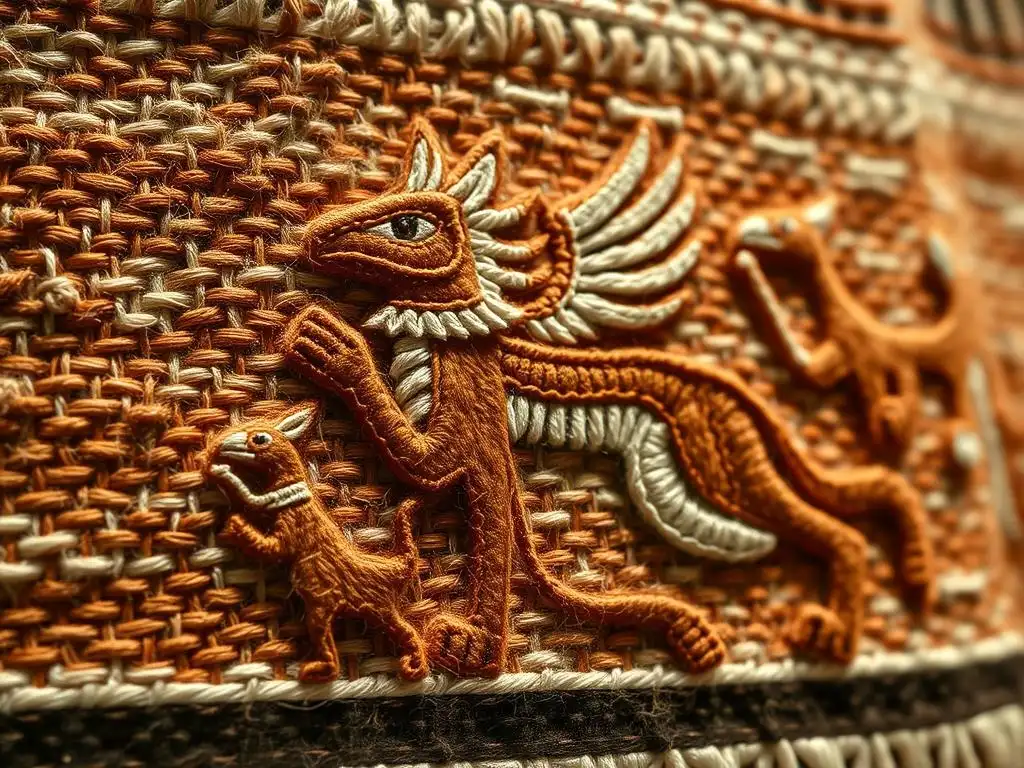
The Paracas culture, flourishing on the southern coast of Peru from roughly 800 BCE to 200 CE, left behind a remarkable legacy, particularly in their extraordinarily sophisticated textile arts. Their mastery of weaving techniques and their vibrant, symbolic designs continue to fascinate and inspire researchers and art enthusiasts alike. Understanding Paracas art is key to understanding the worldview and social structure of this enigmatic ancient civilization.
The sheer scale of their production, the complexity of their designs, and the longevity of their techniques speak volumes about their advanced societal organization and technological capabilities. This section delves into the unparalleled skill displayed in Paracas textiles and ceramics, exploring the intricate details that make them unique.
The Unparalleled Skill of Paracas Textile Weavers
Paracas weavers possessed an unparalleled skill in manipulating fibers, achieving an intricacy and technical finesse rarely seen in other ancient cultures. They employed a variety of techniques, including tapestry weaving, embroidery, and gauze weaving, often combining them within a single piece. Their mastery extended beyond the simple act of weaving; they skillfully manipulated colors, textures, and patterns to create stunningly complex and visually captivating designs.
Consider the sheer number of threads used in some pieces – the density and precision required represent an incredible feat of manual dexterity and patience. Evidence suggests the use of specialized tools and dyes derived from natural sources, demonstrating a sophisticated understanding of both material science and artistic expression. The preservation of many of these textiles, despite the harsh coastal climate, is a testament to the quality of their craftsmanship and the care taken in their creation.
Many of the textiles found are incredibly well preserved, showcasing the durability of their techniques and the use of high-quality fibers. The sheer volume of textiles discovered also points to a significant investment of time and resources in textile production, suggesting a vital role for textile artisans within Paracas society.
Paracas Textile Motifs: Exploring their Symbolic Meaning
The symbolic language woven into Paracas textiles is a rich source of information about their beliefs, rituals, and social structures. Common motifs include stylized human figures, animals (both real and mythical), geometric patterns, and plant forms. These motifs are not randomly arranged; they are carefully placed and combined to create complex narratives and visual metaphors.
For example, the frequent depiction of feline figures might represent deities or powerful shamans, while intricate geometric patterns could symbolize cosmological concepts or social hierarchies. Researchers continue to decipher the meaning behind these symbols, comparing them to other archaeological findings and utilizing interdisciplinary approaches to better understand their context. The vibrant colors also play a significant role, with specific hues potentially linked to specific meanings or social statuses.
Further research is needed to fully understand the complex interplay of these motifs and colors, but current studies suggest a sophisticated system of visual communication within Paracas society. The consistent use of particular designs across different textiles suggests a degree of standardization or centralized control over artistic production.
Paracas Ceramics: Styles, Forms, and Decoration
While Paracas textiles are arguably their most famous artistic achievement, their ceramics also display a remarkable level of skill and artistry. Paracas pottery is characterized by its diverse range of styles, forms, and decorative techniques. Common forms include vessels with stirrup spouts, jars, bowls, and plates. The surface decoration is often highly elaborate, featuring intricate painted designs, modeled figures, and incised patterns.
The palette of colors employed is vibrant and varied, often including red, black, white, and yellow pigments. These colors, applied with precision and skill, often depict scenes of daily life, religious rituals, and mythological beings. The use of both painted and modeled elements reveals a skillful blending of different techniques. The creation of three-dimensional figures integrated into the surface of the vessels demonstrates a mastery of ceramic sculpting.
The diversity in styles and forms suggests a level of specialization among potters, potentially reflecting different social groups or regional variations within Paracas society. Further research into the chemical composition of the pigments and clays used could shed more light on the resources available to Paracas artisans and their trade networks. The stylistic evolution of Paracas ceramics over time also provides valuable insights into the cultural changes that occurred within the civilization.
The Role of Art in Paracas Society
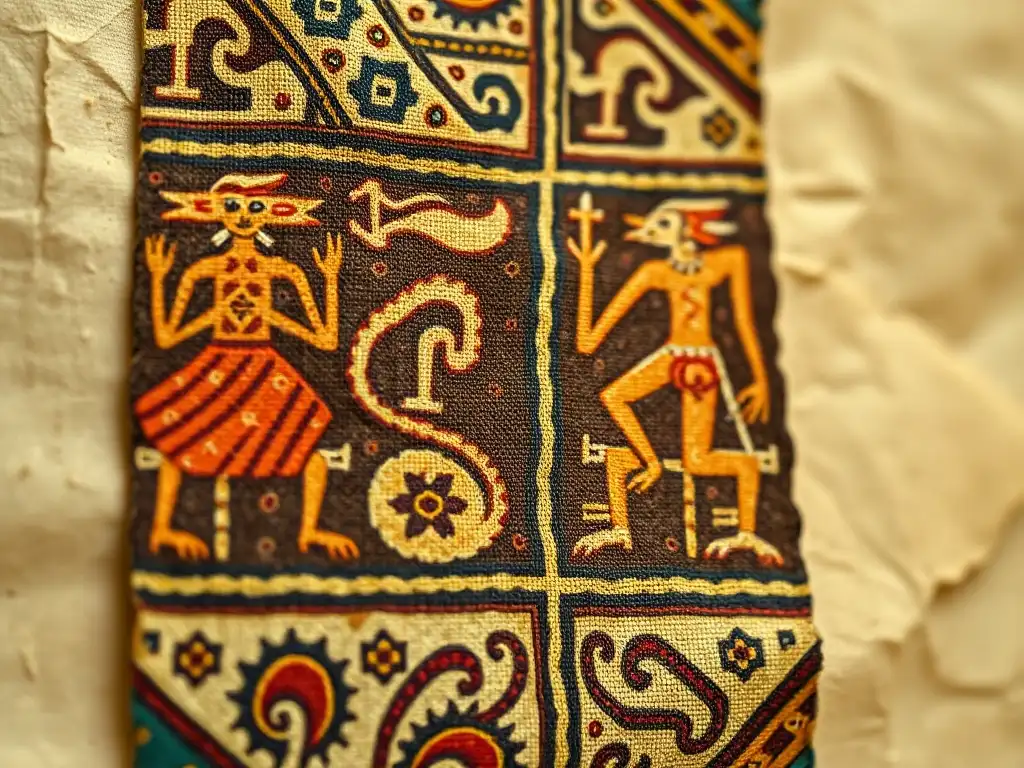
The Paracas culture's artistic achievements weren't merely decorative; they were deeply intertwined with their social fabric, religious beliefs, and worldview. Art served as a powerful tool for expressing social status, communicating religious narratives, and commemorating significant events. Elaborate textiles, for example, weren't simply clothing; they were status symbols, with the complexity and richness of the design reflecting the wearer's position within the community.
The more intricate the weaving, the more prestigious the individual. This is evidenced by the discovery of richly adorned textiles in elite tombs, contrasting sharply with the simpler garments found in common graves. The use of rare dyes, such as the vibrant purples derived from mollusks, further highlighted this social stratification.
Furthermore, Paracas art played a crucial role in religious practices. The intricate depictions of deities, mythical creatures, and shamanistic rituals found on textiles and pottery suggest that these artifacts were used in ceremonies and rituals, perhaps acting as conduits to the spiritual realm. The vibrant colors and symbolic imagery likely served to enhance the power and impact of these religious performances.
The recurring motifs, such as stylized felines, birds, and serpents, may represent powerful deities or ancestral spirits, reinforcing the cultural and religious significance of the artwork. Scholars continue to debate the precise meaning of these symbols, but their prominent placement in Paracas art undeniably points to their importance.
Moreover, Paracas art served as a form of historical record. Textiles and pottery often depict scenes of daily life, including hunting, fishing, agricultural practices, and social gatherings. These artistic representations provide invaluable insights into the daily routines, social structures, and beliefs of the Paracas people.
The detailed depictions of tools, clothing, and social interactions offer a glimpse into a lost world, allowing modern researchers to reconstruct aspects of their society with greater accuracy. By studying these artistic representations, we can gain a deeper understanding of the Paracas way of life and their relationship with their environment. Analyzing the stylistic changes over time in Paracas art also helps archaeologists to establish chronological sequences and better understand the evolution of the culture itself.
Textile Production Techniques: A Masterclass in Andean Weaving
The Paracas people were masters of textile production, employing sophisticated techniques that remain impressive even by today's standards. Their mastery extended beyond simple weaving; they innovated and refined methods, creating textiles of unparalleled complexity and beauty. The most striking aspect of their weaving is the use of a wide range of techniques, including tapestry weaving, embroidery, and gauze, often combined within a single piece.
This skill allowed them to create incredibly detailed and intricate designs, featuring a variety of textures and patterns. The sheer scale of some of their textiles, some measuring several meters in length, is testament to their organizational abilities and the level of community involvement in their production.
The Paracas artisans demonstrated an extraordinary understanding of fiber manipulation. They skillfully employed various fibers, including cotton and camelid wool, selecting the appropriate material for specific purposes. Camelid wool, for instance, was valued for its softness and warmth, while cotton provided a lighter, more breathable fabric.
The skillful combination of these fibers, along with the use of different weaving techniques, allowed them to create textiles that were both durable and aesthetically pleasing. Their mastery of dyeing techniques is equally remarkable, with the ability to produce a wide range of colors from natural sources, including vibrant reds, yellows, and blues. The vibrant colors found in Paracas textiles remain strikingly preserved after centuries, showcasing the durability and quality of their dyes.
Furthermore, the sheer variety of textile types produced by the Paracas people is noteworthy. From elaborate burial shrouds to everyday garments, their textiles served a wide range of purposes. The production of these textiles involved a complex process, requiring specialized skills and knowledge passed down through generations.
The intricate designs, often featuring mythical creatures and symbolic patterns, suggest a deep understanding of their cosmology and religious beliefs. The detailed nature of these textiles provides invaluable insights into their social structures, their daily lives, and their belief systems. The sheer scale of production and the technical sophistication involved highlight the significant role that textile production played in Paracas society.
The Iconography of Paracas Textiles: Decoding the Symbols
Paracas textiles are renowned not only for their technical brilliance but also for their rich iconography. The symbols and motifs woven into these fabrics offer a fascinating glimpse into the Paracas worldview, their religious beliefs, and their social structures. Recurring themes include stylized depictions of animals, such as felines, birds, and serpents, which often hold symbolic meaning within the context of their mythology and religious practices.
Scholars have proposed various interpretations of these symbols, with some suggesting connections to shamanistic practices, ancestral worship, or cosmological beliefs. The precise meanings, however, remain a subject of ongoing research and debate among specialists.
The use of color in Paracas iconography is also significant. Specific colors may have been associated with particular deities, social status, or ritual significance. For instance, the use of vibrant reds might be linked to ritual sacrifice or shamanic power, while certain blues or greens could represent fertility or the natural world. The careful arrangement of colors and patterns within a textile likely conveyed complex messages and meanings. The symbolic language embedded within these textiles requires careful analysis and interpretation, often drawing upon comparisons with other contemporary Andean cultures and archaeological evidence from Paracas sites.
Moreover, the representation of human figures in Paracas textiles provides further insights into their social structures and beliefs. Some textiles depict scenes of daily life, offering glimpses into their social interactions, agricultural practices, and religious ceremonies. Other textiles depict individuals wearing elaborate headdresses and ornaments, suggesting social hierarchies and status differences.
The stylistic variations in the depiction of human figures may also reflect changes in social structures or religious beliefs over time. By studying the iconography of Paracas textiles, we can gain a deeper understanding of their complex culture and their worldview. The ongoing research in this area continues to shed light on the rich symbolism embedded in these remarkable artifacts.
Paracas Burial Practices and Rituals
The Paracas culture, flourishing on Peru's southern coast from approximately 800 BCE to 200 CE, left behind a fascinating legacy, particularly in their elaborate burial practices. These rituals offer a window into their complex worldview and social structures, providing invaluable insights into their beliefs about life, death, and the afterlife. Understanding Paracas burial practices is crucial to understanding their "Paracas ancient civilization history".
The meticulous preparation of the deceased and the richness of the grave goods reflect a society deeply concerned with honoring their ancestors and ensuring a smooth transition to the next world. Analysis of these practices reveals a sophisticated understanding of both the physical and spiritual realms.
The sheer scale of some burial sites, such as the Necropolis of Paracas, speaks to the importance afforded to funerary rituals within Paracas society. Further research into these practices may reveal even more nuanced details about the social hierarchy and religious beliefs of the Paracas people.
The Significance of Paracas Burial Bundles
Perhaps the most striking aspect of Paracas burial practices is the use of elaborate burial bundles. These are not simply bodies wrapped in cloth; they are complex works of art, meticulously crafted and filled with symbolic objects. The process involved mummification, often accompanied by the removal of internal organs.
The bodies were then wrapped in layers of textiles, often featuring intricate designs and vibrant colors, reflecting the high level of textile artistry characteristic of the Paracas civilization. These bundles frequently contained a wealth of grave goods, including pottery, jewelry, tools, and even food offerings, suggesting a belief in providing the deceased with everything they might need in the afterlife. The variety and quantity of grave goods varied according to the social status of the deceased, providing archaeologists with clues about Paracas social stratification.
The careful preservation of these bundles, some containing multiple individuals, demonstrates the importance placed on family and kinship ties within Paracas society. The sheer number of these bundles discovered at the Paracas Necropolis is evidence of a culture deeply invested in commemorating its dead.
Trepanation and Cranial Modification in Paracas
The practice of trepanation, the surgical removal of a portion of the skull, was surprisingly common within the Paracas culture. While the exact reasons for this practice remain debated, evidence suggests it was performed for both medical and ritualistic purposes. Some skulls show evidence of multiple trepanations, indicating that individuals survived the procedure.
This suggests a level of surgical skill beyond what might be expected in a pre-Columbian civilization. The high survival rate implies sophisticated techniques and understanding of antiseptic practices. Furthermore, the presence of healed trepanation sites on some skulls indicates that the procedures were often successful, indicating a relatively advanced understanding of surgery and post-operative care.
However, the presence of trepanation on skulls also associated with ritualistic items suggests that the practice held symbolic or spiritual significance as well. The combination of medical and ritualistic interpretations complicates the understanding of this practice within the broader context of Paracas "ancient civilization history".
The Paracas Necropolis: A Glimpse into the Afterlife
The Paracas Necropolis, a vast burial ground containing thousands of mummies and burial bundles, stands as a testament to the Paracas people's beliefs about death and the afterlife. The sheer scale of the Necropolis, with its hundreds of tombs, reflects the importance of funerary rituals in Paracas society. The elaborate preparation of the bodies and the inclusion of numerous grave goods underscore the belief in providing the deceased with everything they might need in the next world.
Archaeological excavations have revealed a range of burial practices, reflecting potential social hierarchies and differing beliefs within the Paracas culture. The arrangement of the tombs and the placement of grave goods offer valuable clues about the social organization and religious beliefs of the Paracas people.
The Necropolis is not merely a cemetery; it is a monumental expression of Paracas cosmology and a rich source of information about their "Paracas ancient civilization history", providing a unique window into the beliefs and practices of this remarkable ancient civilization. Further study of the Necropolis, with its meticulously preserved bundles, could unlock even more secrets of this fascinating culture.
Ritual Objects and Offerings in Paracas Burials
The Paracas culture's elaborate burial practices weren't simply about interring the deceased; they were complex rituals reflecting their worldview and beliefs about the afterlife. A significant aspect of these rituals involved the inclusion of a wide array of ritual objects and offerings placed alongside the body. These weren't haphazard additions; their careful selection and arrangement suggest a deep symbolic meaning, providing invaluable insights into Paracas cosmology and social structures.
The most striking aspect of Paracas grave goods is their sheer quantity and variety. Tombs have yielded astonishing numbers of textiles, pottery, tools, and ornaments, far exceeding what would be considered necessary for practical use in the afterlife. This abundance points to a belief system that valued material wealth as a crucial component of a successful transition to the next world.
The textiles, in particular, are renowned for their intricate designs and vibrant colors, often depicting mythical creatures, stylized plants, and complex geometric patterns. These weren't simply decorative; the images likely held deep symbolic significance, perhaps representing the deceased's social status, clan affiliation, or even their journey into the spirit world.
Pottery also played a vital role in Paracas burial rituals. Vases and jars, often beautifully decorated with similar motifs found on the textiles, frequently contained food and drink offerings. The types of food and beverages included might have varied based on the social status of the deceased, with higher-status individuals receiving more elaborate and varied offerings.
Analysis of the organic remains within these vessels could potentially reveal more about Paracas diet and agricultural practices, further enriching our understanding of their daily lives. Beyond food and drink, certain types of pottery might have served specific ritual purposes, perhaps used in ceremonies conducted before or during the burial process itself.
Beyond textiles and pottery, Paracas burials often included tools, ornaments, and other personal effects of the deceased. These objects offer a glimpse into their daily activities and social roles. Tools, like needles, spindles, and weaving implements, suggest the importance of textile production in Paracas society, while ornaments such as necklaces, earrings, and headdresses made of precious materials like gold, silver, and shell, indicate social status and power. The inclusion of these personal items suggests a belief that the deceased would continue to need and use these objects in the afterlife.
The careful arrangement of these objects within the tomb further reinforces the ritualistic nature of the burial process. The positioning of objects relative to the body, for instance, may hold symbolic meaning that is still being deciphered by archaeologists. The meticulous attention to detail in these burials underscores the profound significance the Paracas placed on proper funerary rites.
Paracas Society and Daily Life
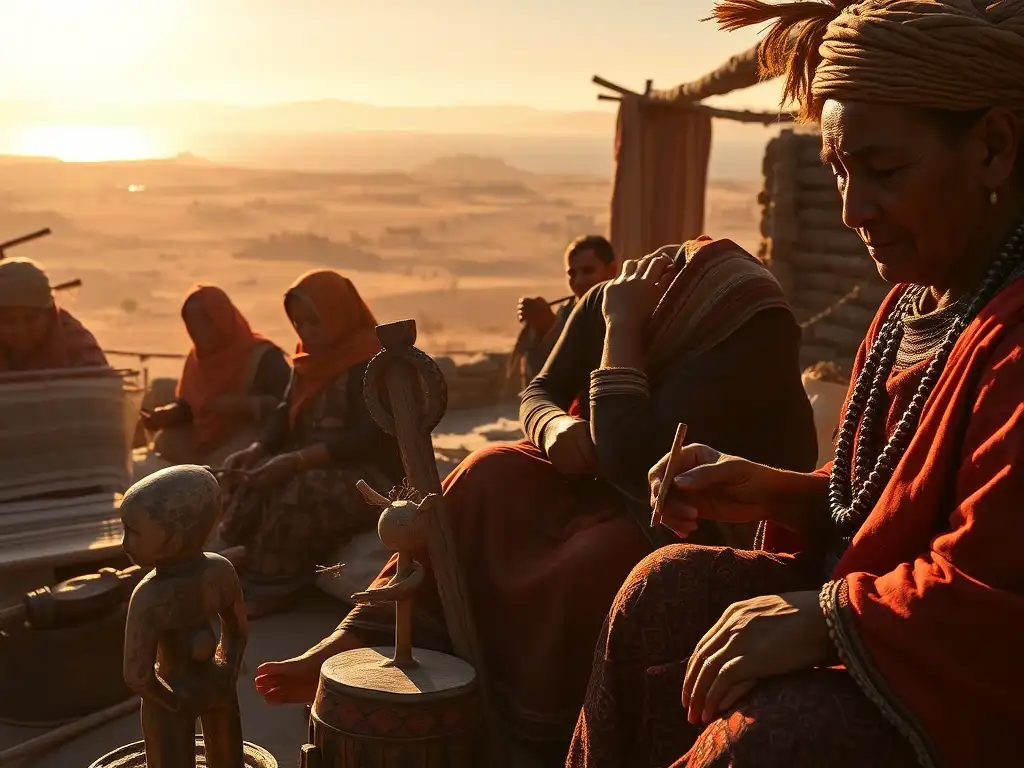
The Paracas culture, flourishing along the southern coast of Peru from roughly 800 BCE to 200 CE, developed a complex social structure and unique way of life adapted to their arid environment. Understanding their society offers crucial insights into their "Paracas ancient civilization history." While the exact nature of their political organization remains debated, evidence suggests a hierarchical system with specialized roles and potentially powerful leaders.
Archaeological findings, particularly burial sites, reveal significant social stratification within Paracas society. Elaborate tombs containing rich grave goods, such as intricate textiles, gold ornaments, and finely crafted ceramics, indicate an elite class. These individuals likely held positions of power, perhaps as religious leaders, warriors, or chiefs. The sheer quantity and quality of artifacts interred with them contrast sharply with the simpler burials of commoners, suggesting a significant disparity in wealth and status. The presence of numerous smaller, less ornate tombs indicates a large population of commoners, artisans, and farmers who supported the elite.
Analysis of textile production also suggests a specialized workforce. The incredibly intricate and time-consuming nature of Paracas textiles, particularly the renowned mantles and cloths, implies the existence of skilled artisans who likely held a respected position within the community. These artisans may have been organized into workshops or guilds, further highlighting the sophisticated social organization of the Paracas. The complexity of their social structure is a key element of "Paracas ancient civilization history".
Paracas Economy: Agriculture and Coastal Resources
The Paracas economy was heavily reliant on both agriculture and the exploitation of coastal resources. The arid coastal environment presented challenges, but the Paracas demonstrated remarkable ingenuity in adapting to these conditions. They developed sophisticated irrigation systems to cultivate crops like cotton, beans, squash, and maize in limited fertile areas. These systems, though less extensive than those of later Andean cultures, were essential to sustaining their population.
Furthermore, the Paracas expertly harnessed the bounty of the Pacific Ocean. Fishing played a vital role in their diet, with evidence of various fishing techniques and the consumption of numerous species. Additionally, they likely collected shellfish and other marine resources, further diversifying their food sources. The combination of carefully managed agriculture and sustainable exploitation of marine resources allowed the Paracas to thrive in a challenging environment, a testament to their resourcefulness and understanding of their ecosystem. This economic adaptability is a significant aspect of "Paracas ancient civilization history".
Paracas Settlements and Infrastructure
While Paracas settlements were not as monumental as those of later Andean civilizations, they nonetheless reveal valuable information about their daily lives and social organization. Evidence suggests a dispersed settlement pattern, with smaller villages and hamlets scattered along the coast. These settlements were likely organized around access to resources, such as water sources and fertile land.
The construction of houses and other structures reflects the available materials and the needs of the community. Simple, rectangular structures made of adobe bricks and reeds were common, reflecting a pragmatic approach to construction. The lack of large-scale public works, such as monumental pyramids or extensive irrigation canals, suggests a different form of societal organization compared to later Andean civilizations, although this shouldn't diminish the complexity of their "Paracas ancient civilization history".
Further research and excavation are needed to fully understand the layout and organization of Paracas settlements and their connection to the surrounding environment. The ongoing study of their infrastructure provides crucial insights into their social structure and daily lives.
Daily Life Practices and Customs of the Paracas People
The Paracas people, inhabiting the southern coast of Peru from approximately 800 BCE to 200 CE, developed a complex and fascinating society shaped by their unique environment. Their daily lives revolved around the sea, providing sustenance and shaping their cultural practices. Fishing, naturally, was a cornerstone of their existence. Evidence suggests sophisticated fishing techniques, likely employing intricate nets and possibly even early forms of diving gear to harvest abundant marine resources.
The remains of numerous fishing implements, discovered in Paracas sites, testify to the importance of this activity. Beyond fishing, agriculture played a vital role, with the cultivation of crops like cotton, maize, and beans supplementing their diet. The arid coastal environment necessitated innovative irrigation systems, a testament to their engineering prowess and understanding of their surroundings. Their agricultural success is reflected in the large-scale settlements and intricate textile production that characterized Paracas society.
Beyond the practical aspects of survival, the Paracas culture exhibited rich social customs and rituals. Textiles, renowned for their intricate designs and vibrant colors, held significant social and religious meaning. These weren't merely clothing; they were integral parts of their ceremonies and daily lives, reflecting social status and possibly even serving as a form of visual communication.
The elaborate burial practices of the Paracas, including mummification and the inclusion of numerous grave goods, reveal insights into their beliefs about the afterlife and the importance of maintaining connections with their ancestors. The intricacy of the mummification process and the abundance of textiles, pottery, and other artifacts buried with the deceased strongly suggest a complex belief system and social hierarchy.
The social structure of Paracas society remains a subject of ongoing research and debate, but evidence suggests a stratified society with varying levels of social standing. The elaborate burials and the quality of the grave goods clearly indicate a differentiated social hierarchy, with certain individuals enjoying greater access to resources and prestige. Further research is needed to fully understand the dynamics of social mobility and the mechanisms by which social status was determined and maintained within Paracas communities.
However, the remarkable craftsmanship evident in their textiles and pottery indicates a sophisticated level of division of labor and specialized skills, suggesting a highly organized and collaborative social structure. Understanding the interplay between social organization, resource management, and religious beliefs is crucial to fully comprehending the complexities of Paracas daily life.
The Paracas Influence on Later Andean Cultures
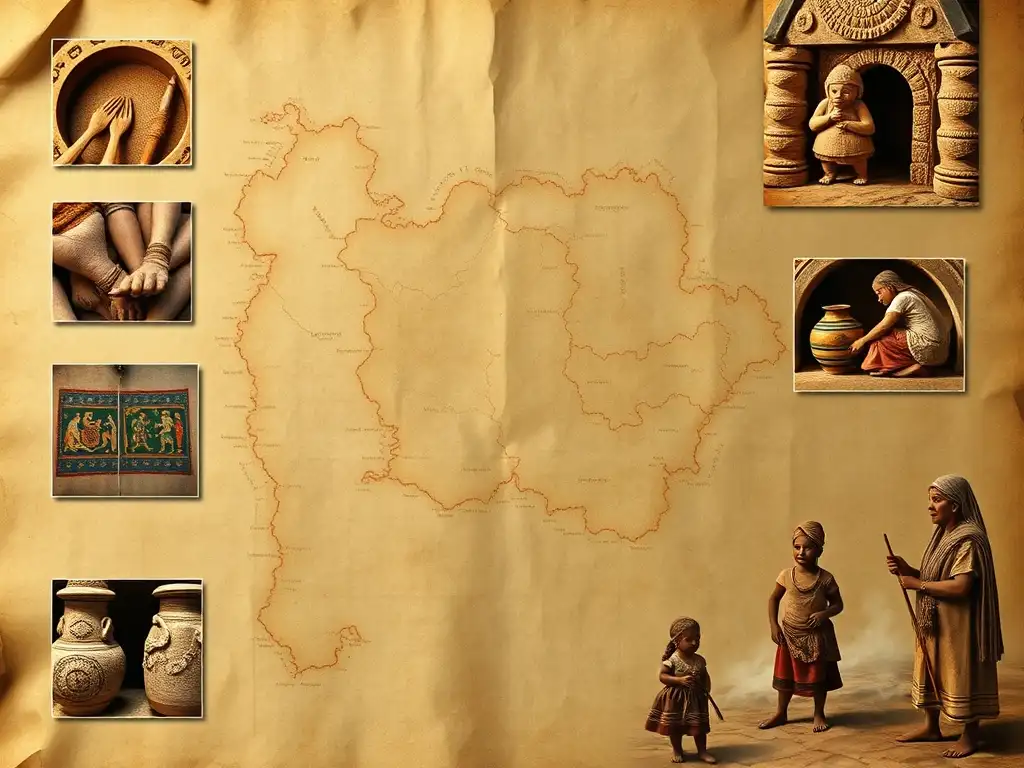
The Paracas culture, flourishing from roughly 800 BCE to 200 CE along the southern coast of Peru, left an indelible mark on subsequent Andean civilizations. Their sophisticated textile techniques, elaborate burial practices, and unique artistic styles served as a foundation upon which later cultures, notably the Nazca, built and expanded. Understanding the Paracas legacy is crucial to appreciating the broader tapestry of Andean civilization history.
The Paracas influence wasn't merely a fleeting trend; it represented a significant cultural transmission, shaping artistic conventions and technological advancements for centuries. This enduring impact underscores the Paracas' importance in the chronological development of Peruvian coastal societies. Analyzing their influence allows us to better understand the complex interplay of cultural exchange and adaptation that characterized the ancient Andean world.
Paracas Legacy: Connecting to Nazca and Beyond
The most evident link between the Paracas and subsequent Andean cultures is found in their textile traditions. Paracas textiles, renowned for their vibrant colors, intricate designs, and masterful techniques like tapestry weaving and gauffered embroidery, directly influenced Nazca textile production. While the Nazca developed their own distinctive styles, the underlying technical expertise and artistic sensibilities clearly demonstrate a lineage connecting back to the Paracas.
Consider the use of camelid fibers—alpaca and llama—a staple material for both cultures. The intricate designs, often featuring stylized animals and mythical creatures, also share stylistic similarities, suggesting a direct cultural transmission or at least a shared artistic heritage. Furthermore, the Paracas' mastery of dyeing techniques, using natural pigments derived from plants and minerals, was clearly adopted and refined by later Andean cultures.
Evidence suggests that the use of specific pigments, like the rich reds and vibrant blues, were passed down through generations, showcasing the enduring impact of Paracas expertise on the region’s artistic landscape. Beyond textiles, the Paracas' unique style of pottery, characterized by its delicate forms and painted decorations, also influenced the artistic production of later Andean groups. It shows how the Paracas culture provided the base from which other groups could build their own unique styles.
The End of Paracas: Possible Causes and Theories
The decline of the Paracas culture remains a subject of ongoing scholarly debate. Several theories attempt to explain the eventual disappearance of this influential civilization. One prominent theory points to environmental factors, such as changes in climate or resource availability, potentially impacting agricultural practices and leading to societal instability. Evidence suggests fluctuating sea levels and altered rainfall patterns around the time of the Paracas' decline, which could have significantly affected their agricultural production and access to vital resources.
Another theory suggests internal conflicts or warfare as a possible cause. While archaeological evidence of widespread violence is limited, the possibility of internal strife, competition for resources, or conflicts with neighboring groups cannot be entirely discounted. Some scholars also propose a gradual process of cultural assimilation, with the Paracas culture gradually blending into and being absorbed by the emerging Nazca culture.
This theory suggests a more nuanced transition rather than a sudden collapse, with the Paracas’ traditions and techniques slowly integrating into the broader Andean cultural fabric. Further research, including more extensive archaeological excavations and analysis of environmental data, is needed to fully understand the factors contributing to the end of the Paracas civilization. More specifically, further investigation into the social structures and political organization of the Paracas is needed to fully understand their dynamics and eventual decline.
Paracas Contributions to Andean Civilization
The Paracas culture's contribution to Andean civilization extends far beyond their artistic achievements. Their sophisticated burial practices, characterized by elaborate mummification techniques and the creation of intricate funerary bundles, reveal insights into their social organization and religious beliefs. The Paracas mummies, with their preserved textiles and grave goods, provide invaluable information about their clothing, social status, and daily life. The intricacy of these mummification processes points to advanced knowledge of anatomy, preservation techniques, and possibly even rudimentary surgical practices.
This sophisticated understanding of the human body and its preservation is a significant contribution to the development of Andean knowledge and is a testament to the Paracas' advanced medical understanding for that time. Moreover, the Paracas' agricultural innovations, adapted to the challenging coastal environment, allowed for sustained settlements and population growth. Their mastery of irrigation techniques, likely refined over generations, helped sustain their communities and made the coastal region more habitable.
This agricultural prowess provided a foundation for future Andean societies, enabling them to thrive in a seemingly harsh environment. The Paracas legacy is thus multifaceted, encompassing artistic mastery, sophisticated burial rituals, and advanced agricultural practices – all crucial elements shaping the trajectory of Andean civilization history. Their innovations and cultural expressions continue to inspire awe and admiration, underscoring their lasting impact on the rich history of ancient Peru.
The Importance of Preserving Paracas Heritage
The Paracas culture, despite its relatively short lifespan compared to other Andean civilizations, left an indelible mark on the region's artistic, textile, and funerary traditions. Preserving this heritage is crucial for several reasons. Firstly, it allows us to understand the complexities of pre-Columbian Andean societies and the unique adaptations they developed to their coastal environment.
The intricate textiles, elaborate burial practices, and sophisticated surgical techniques unearthed from Paracas tombs provide invaluable insights into their social structures, beliefs, and medical knowledge. These artifacts are not simply objects; they are windows into a vanished world, offering a glimpse into the lives, thoughts, and aspirations of a remarkable people. Losing this heritage would be akin to losing a vital chapter in the story of humanity.
Secondly, preserving Paracas heritage contributes to the broader understanding of Andean cultural evolution. The influence of Paracas art and technology can be traced in the subsequent cultures of the Nazca and even the Inca. The distinctive textile techniques, the iconic style of their pottery, and the sophisticated trepanation procedures all demonstrate a level of skill and innovation that impacted later societies.
By studying Paracas artifacts and sites, we can better understand the processes of cultural transmission and adaptation that shaped the Andean region for centuries. This understanding is essential for a complete picture of the region's history and cultural development.
Finally, protecting Paracas heritage has significant implications for contemporary Peruvian society. The preservation of archaeological sites and artifacts fosters cultural pride and identity. It provides a tangible link to the past, connecting present-day Peruvians to their ancestors and fostering a sense of continuity and belonging.
Furthermore, the careful preservation and study of Paracas heritage can contribute to the development of sustainable tourism, creating economic opportunities for local communities while simultaneously protecting these invaluable resources. The economic benefits derived from responsible tourism can then be reinvested in further preservation efforts, creating a virtuous cycle of cultural protection and economic development. Ignoring the importance of preserving Paracas heritage would be a disservice to both the past and the future of Peru.
Exploring Paracas Archaeological Sites
The Paracas culture, flourishing along the southern coast of Peru from roughly 800 BCE to 200 CE, left behind a remarkable legacy of archaeological sites that continue to fascinate and inform researchers today. These sites offer a window into the sophisticated social structures, intricate textile traditions, and unique burial practices of this enigmatic civilization. Understanding these sites is crucial to comprehending the full scope of Paracas ancient civilization history.
The sheer volume and diversity of artifacts unearthed paint a vivid picture of a people deeply connected to both the sea and the land, showcasing a remarkable level of artistic skill and technological innovation for their time. This section will delve into some of the most significant Paracas archaeological locations, highlighting their contributions to our understanding of this fascinating culture.
Key Paracas Archaeological Locations: Cerro Colorado
Cerro Colorado, located near the modern town of Paracas, is renowned for its extensive cemeteries. These cemeteries are not simply burial grounds; they are complex, carefully planned sites reflecting the social hierarchy and religious beliefs of the Paracas people. Archaeological excavations at Cerro Colorado have unearthed thousands of mummies, many exhibiting the distinctive cranial deformation practices characteristic of the Paracas culture.
These mummies, often adorned with elaborate textiles and grave goods, provide invaluable insights into Paracas mortuary rituals and social organization. Analysis of the textile fragments, often incredibly intricate and vibrant despite their age, reveals sophisticated weaving techniques and a rich symbolic language. The sheer number of burials, coupled with the meticulous preservation of the remains and associated artifacts, makes Cerro Colorado a cornerstone of Paracas research and a vital source of information for understanding their ancient civilization history.
Further study of the site's stratigraphy and associated artifacts continues to yield new data, constantly refining our understanding of Paracas social structures and chronological development. The discovery of unique ceramic styles and tools at Cerro Colorado also helps to differentiate the Paracas culture from its contemporaries.
Key Paracas Archaeological Locations: Cabeza Larga
Cabeza Larga, another significant Paracas archaeological site, is particularly famous for its namesake: the elongated skulls found within its extensive burial grounds. This practice of cranial deformation, while not unique to the Paracas, was carried out with remarkable consistency and precision, suggesting a strong cultural significance. Unlike the more densely populated Cerro Colorado, Cabeza Larga presents a different picture of Paracas settlement patterns.
The distribution of burials and artifacts may indicate a less centralized social structure or perhaps a distinct regional variation within the broader Paracas culture. The style of textiles and ceramics found at Cabeza Larga often shows subtle differences compared to those from Cerro Colorado, further supporting the hypothesis of regional variations within the Paracas civilization. The ongoing study of isotopic analysis from skeletal remains at Cabeza Larga is providing crucial information about diet and lifestyle, adding another layer to our understanding of Paracas ancient civilization history.
This site, though perhaps less extensively excavated than Cerro Colorado, remains a key location for understanding the diversity and complexity within the Paracas culture. The unique characteristics of the cranial deformation and the specific style of artifacts found here offer valuable comparative data, enriching our overall comprehension of Paracas society.
Visiting Paracas: Tips and Recommendations
Planning a visit to the Paracas archaeological sites requires careful consideration. While the sites themselves offer a captivating glimpse into the past, understanding the context and respecting the delicate nature of these ancient remains is paramount. Remember to always adhere to any guidelines or restrictions provided by local authorities and archaeological teams. Hiring a certified guide is highly recommended; they can provide valuable insights and ensure a more enriching and respectful experience.
Appropriate clothing and footwear are essential, considering the often harsh desert climate and the uneven terrain of the sites. Bringing sunscreen, water, and a hat is crucial, especially during the hotter months. Respecting the sites as places of historical significance and refraining from touching or disturbing any artifacts is vital for the preservation of Paracas ancient civilization history for future generations. Moreover, supporting local tourism initiatives and businesses can help ensure the continued protection and study of these invaluable sites.
The Paracas Peninsula offers much more than just archaeological sites – a trip there can be a journey into a rich cultural heritage and a beautiful natural landscape. Enjoy the experience responsibly and leave the sites as you found them, preserving this amazing legacy for years to come. 🏖️
The Future of Paracas Research and Discovery
The study of the Paracas culture is far from over. Ongoing archaeological excavations and technological advancements promise to unveil even more secrets of this enigmatic civilization. New techniques like ground-penetrating radar and advanced imaging technologies are being employed to locate previously unknown burial sites and settlements, potentially revealing more about Paracas social structures and daily life.
The analysis of existing artifacts using advanced scientific methods, such as DNA analysis and isotopic studies, will also shed light on Paracas diet, migration patterns, and genetic relationships with other Andean cultures. This could help us understand their complex interactions with neighboring societies like the Nazca, and potentially even trace their origins more accurately.
Furthermore, the preservation and restoration of existing Paracas artifacts is crucial for future research. Many textiles and artifacts are fragile and vulnerable to environmental damage. Ongoing conservation efforts are essential to ensure that these invaluable pieces remain accessible to researchers and the public for generations to come.
This includes developing new preservation techniques to combat the harsh coastal climate and the effects of time. Improved museum facilities and storage conditions will also play a significant role in safeguarding the legacy of the Paracas culture for future generations. The potential for discoveries is immense, and with careful planning and investment in research infrastructure, we can look forward to a much deeper understanding of this fascinating ancient civilization.
The meticulous documentation of current findings, coupled with the ongoing development of new research methodologies, guarantees a rich and rewarding future for Paracas studies. We can anticipate a wealth of new insights into their intricate art, complex societal structures, and remarkable technological achievements. The Paracas story, far from being complete, is only beginning to unfold.
Frequently Asked Questions
What is the Paracas culture known for?
The Paracas culture is renowned for its exceptional textile artistry, particularly its elaborate and colorful textiles, and its unique mummification techniques. These practices showcase sophisticated skills and beliefs.
Where and when did the Paracas civilization flourish?
The Paracas civilization thrived on the south coast of Peru, in the Ica region, between approximately 800 BCE and 200 CE. Their coastal location heavily influenced their culture and economy.
How did the Paracas people differ from other Andean cultures?
While sharing some similarities with neighboring cultures, Paracas are distinguished by their highly developed textile production, unique burial practices, and distinctive artistic styles that set them apart from, for instance, the Nazca.
What are some significant archaeological sites associated with the Paracas culture?
Paracas Necropolis and Paracas Caverns are two of the most important archaeological sites, yielding thousands of remarkably preserved mummies and textiles, providing invaluable insights into their society.
What is the relationship between the Paracas and Nazca cultures?
The Paracas culture preceded the Nazca, with some scholars suggesting a cultural continuity or influence between the two. The sophisticated textile traditions of Paracas likely influenced the artistic styles of the later Nazca culture.
Final Reflection: Echoes of Paracas: A Legacy Woven in Time
The intricate artistry and enigmatic culture of the Paracas people remain profoundly relevant today, a testament to the enduring power of human ingenuity and the fragility of civilizations. Their sophisticated textiles, breathtaking burial practices, and complex social structures continue to challenge and inspire archaeologists and historians alike, offering invaluable insights into the complexities of human societies and their interactions with the environment. The mysteries surrounding their sudden decline serve as a stark reminder of the unpredictable forces that shape history.
The Paracas legacy extends far beyond the sands of the Ica desert; its influence resonates in the vibrant tapestry of Peruvian culture and continues to shape our understanding of ancient Andean societies. Their innovative textile techniques, for example, are still studied and admired, showcasing a level of mastery rarely seen in other ancient cultures. The enduring power of their artistic expression speaks volumes about the human capacity for creativity and innovation. The past is never dead. It's not even past.
- William Faulkner. This quote perfectly encapsulates the ongoing relevance of the Paracas civilization, whose story continues to unfold with each new discovery.
Consider the enduring power of human creativity and the delicate balance between a civilization and its environment. The Paracas people, with their intricate textiles and unique burial rituals, left an indelible mark on history. Take a moment to reflect on their story, and consider how their achievements and challenges can inform our understanding of our own place in the world. Let the echoes of Paracas inspire you to appreciate the richness of human history and the importance of preserving our cultural heritage for future generations. Let their story be a reminder of the enduring power of the human spirit.
Embark on Your Own Ancient Adventure!
Thank you for exploring the captivating world of Paracas with us! We hope you're inspired by the rich history and breathtaking landscapes of this ancient coastal gem. Now, let's turn that inspiration into action!
Here are some ways to further explore Paracas and its wonders:
- Plan your trip to Paracas! Immerse yourself in the mesmerizing sites, walking where ancient civilizations once thrived. Book your trip today!
- Share your discoveries! Discuss your newfound knowledge with friends and fellow history enthusiasts, sparking their interest in Andean cultures.
- Join a community! Connect with online forums or local groups dedicated to ancient civilizations to deepen your understanding and share your experiences.
What aspect of Paracas history most captivates you, and how will it shape your next adventure?