Andean Agriculture and Food

Discover how ancient Andean farmers transformed challenging landscapes through innovative cultivation techniques and remarkable crop diversity 🌱. Explore terrace farming, irrigation systems, soil management, and the cultivation of quinoa, potatoes, maize, and other essential crops that sustained Andean civilizations. Learn how generations of agricultural knowledge supported food security, cultural traditions, and the growth of powerful societies across the Andes.
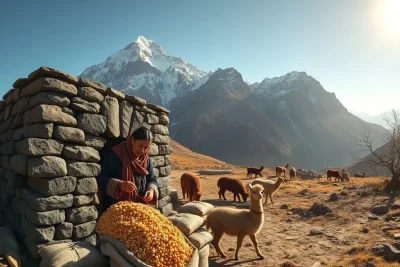
Discover how ancient Andean civilizations transformed challenging mountain landscapes into productive agricultural regions. This subcategory explores the cultivation techniques, native crops, farming tools, irrigation systems, and ecological knowledge developed by societies such as the Incas, Moche, Nazca, and Tiahuanaco. Learn how altitude, climate, soil, water, and community organization shaped Andean agriculture and influenced the food traditions of South America.
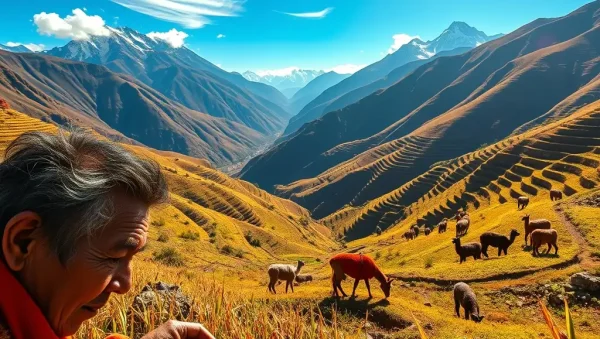
Andean farmers cultivated land across coastal deserts, high-altitude plateaus, steep valleys, and tropical eastern slopes. Their success depended on adapting agriculture to dramatically different environments, from the cold puna and altiplano to fertile intermontane valleys. Articles in this subcategory explain how elevation created distinct agricultural zones, each suited to particular crops and farming practices.
Readers can explore how ancient communities responded to frost, drought, erosion, irregular rainfall, and limited arable land. Discover the relationship between geography and food production, including the movement of crops and farming knowledge between ecological regions through trade, migration, and organized exchange.
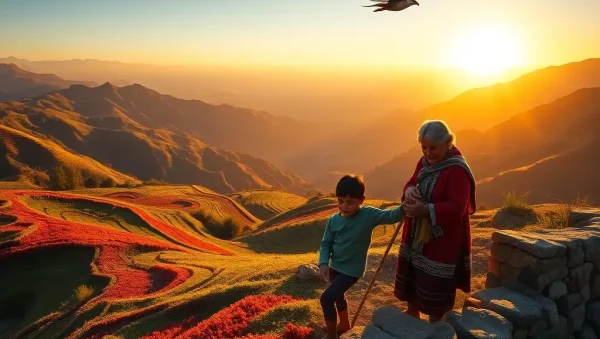
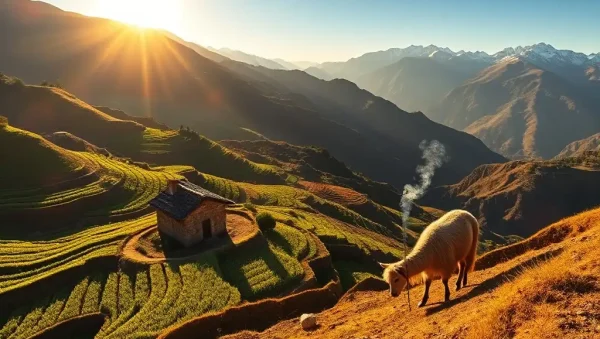
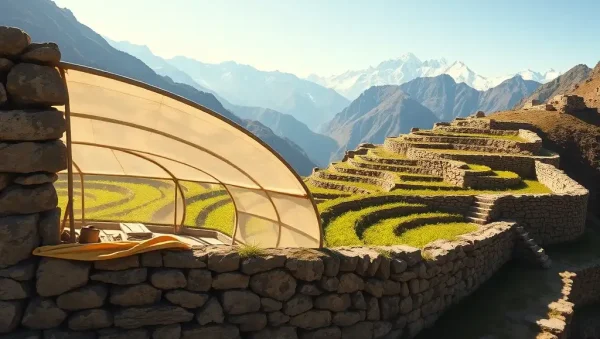
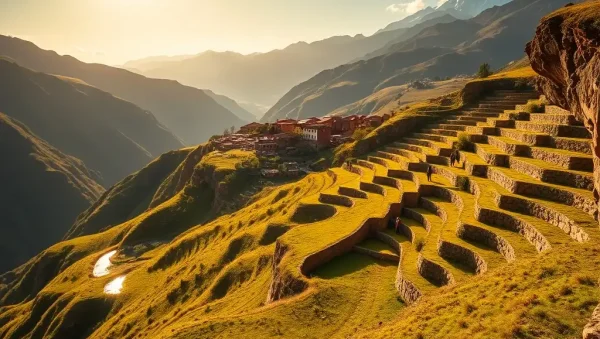
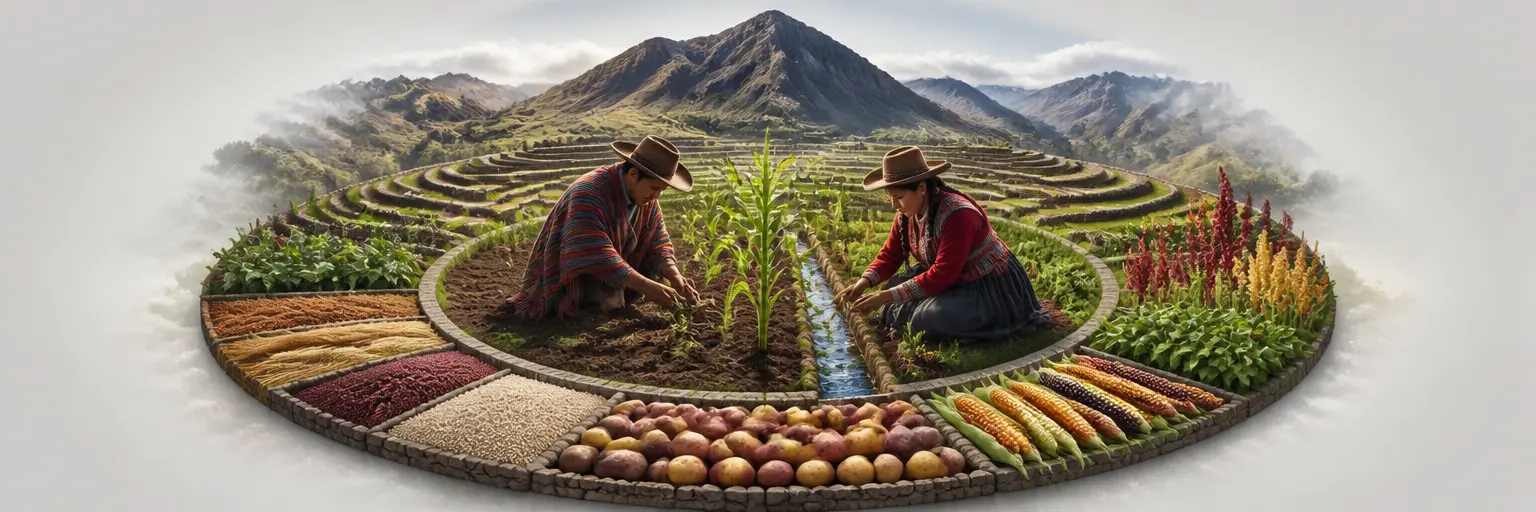
Terrace farming was one of the most important innovations in ancient Andean agriculture. Carefully constructed agricultural terraces, known in the Andes as andenes, converted steep slopes into stable planting surfaces while reducing soil erosion. These systems often included retaining walls, layered soils, drainage channels, and methods for managing temperature and moisture.
In wetter or flood-prone highland environments, farmers also developed raised fields and elevated planting platforms. These structures helped control water, improve drainage, and protect crops from frost. Learn how terraces and raised fields increased agricultural productivity and supported the growth of complex societies, including the Inca and Tiahuanaco civilizations.
Water management was essential for Andean food production, particularly in arid coastal regions and highland areas with seasonal rainfall. Ancient engineers built canals, reservoirs, aqueducts, springs, and drainage systems to transport and conserve water. The Moche and Nazca are especially associated with sophisticated irrigation networks that supported agriculture in desert environments.
This subcategory examines how irrigation technology shaped settlement patterns, crop yields, and political authority. Readers will learn about ancient Andean hydraulic engineering, the maintenance of communal water systems, and the close connection between farming, religious beliefs, and control over vital natural resources.
The Andes were a major center of crop domestication and agricultural innovation. Potatoes, quinoa, maize, oca, mashua, ulluco, amaranth, lupins, chili peppers, and numerous medicinal and edible plants formed an essential part of ancient Andean diets. These crops provided carbohydrates, protein, vitamins, and resilience in difficult environments.
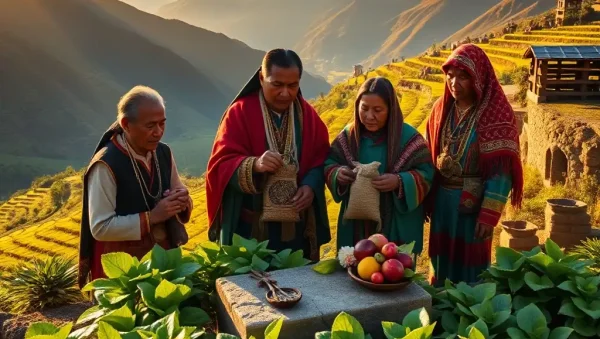
Explore the origins, uses, and cultural importance of native Andean crops. Articles explain how farmers selected varieties suited to different elevations, soil conditions, and climates. You can also discover how crops were prepared, exchanged, stored, and incorporated into ceremonies, trade networks, and everyday meals.
Maize was one of the most significant crops in Andean civilization, especially in fertile valleys and lower-elevation agricultural zones. It was consumed as food, transformed into beverages such as chicha, and used in religious ceremonies and political feasts. Its cultivation required careful planning, seed selection, irrigation, and protection from pests and climate risks.
Learn how maize contributed to the economy and social organization of the Moche, Inca, and other Andean societies. This section explores ancient maize farming, storage facilities, ceremonial agriculture, agricultural tribute, and the role of corn in strengthening alliances and demonstrating elite power.
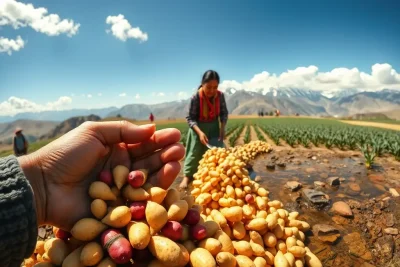
Potatoes were among the most important high-altitude crops cultivated in the Andes. Ancient farmers developed hundreds of varieties, each adapted to specific conditions such as frost, drought, soil type, and elevation. This remarkable biodiversity helped Andean communities maintain reliable food supplies despite environmental uncertainty.
Readers will learn about traditional potato cultivation, seed preservation, crop diversity, and the preparation of chuño, a freeze-dried potato product designed for long-term storage. These practices reveal the sophistication of Andean food preservation and food security systems long before modern agricultural science.
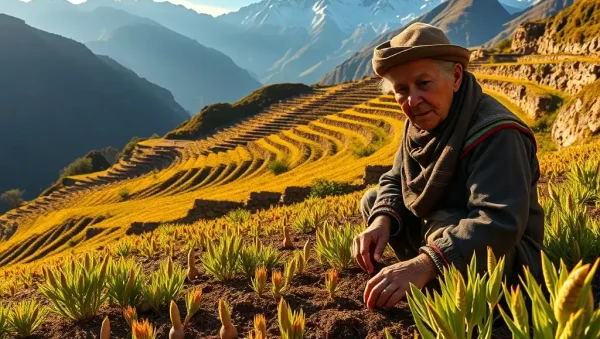
Quinoa and other highland grains played a central role in the nutrition of Andean communities. Their ability to grow in cold, dry, and elevated environments made them valuable crops for farmers living in the altiplano. Quinoa provided a rich source of plant protein and could be cultivated alongside potatoes, legumes, and other native plants.
This section examines traditional quinoa farming, harvesting, processing, and ceremonial use. It also explores how modern interest in Andean superfoods has renewed attention toward ancient crop knowledge, while emphasizing the importance of respecting Indigenous agricultural traditions and biodiversity.
Ancient Andean agriculture relied on practical tools and coordinated labor. Implements such as the chaquitaclla, or foot-plow, enabled farmers to prepare soil in steep and rocky terrain. Planting, harvesting, irrigation maintenance, and terrace construction were often organized through reciprocal labor systems and community cooperation.
Discover how agricultural work shaped Andean society through concepts of reciprocity, shared responsibility, and collective resource management. Articles explore traditional Andean farming tools, seasonal labor, household production, communal fields, and the systems that allowed large populations to be supported in challenging environments.
Producing food was only one part of Andean agricultural success; preserving and distributing harvests was equally important. Communities used storehouses, including Inca qullqas, to protect maize, potatoes, grains, dried meat, and other products. Techniques such as freeze-drying, dehydration, salting, and fermentation extended the life of perishable foods.
Learn how food storage supported armies, administrative centers, religious institutions, and urban populations. This content highlights the connection between agricultural surplus, state organization, trade, and political power in the Inca Empire and earlier Andean civilizations.
Ancient Andean farmers developed flexible strategies to manage unpredictable weather, including frost, drought, floods, hail, and shifting growing seasons. Crop diversification, vertical farming, terraces, raised fields, water conservation, and seed selection reduced risk and improved resilience.
These practices offer valuable insight into sustainable agriculture in mountain environments. Explore how ancient ecological knowledge continues to inform contemporary Andean farming, Indigenous food sovereignty, biodiversity conservation, and modern approaches to climate adaptation.
Important techniques included terrace farming, raised fields, irrigation, crop rotation, soil conservation, vertical ecological management, and communal labor. These methods helped farmers adapt to steep terrain, high elevations, desert conditions, frost, and irregular rainfall.
Important Andean crops include potatoes, quinoa, maize, oca, mashua, ulluco, amaranth, lupins, chili peppers, and various fruits and medicinal plants. Potatoes and quinoa were especially valuable in high-altitude regions, while maize flourished in many valleys and lower-elevation areas.
Coastal civilizations such as the Moche and Nazca built irrigation canals, reservoirs, and channels to redirect river water toward agricultural fields. These systems allowed communities to grow crops in some of the driest landscapes on Earth.
Terraces increased arable land, reduced erosion, improved drainage, moderated soil temperatures, and helped control water. They also enabled farming on steep mountain slopes and supported the production of crops across different elevations.
They used methods such as freeze-drying potatoes into chuño, drying grains and maize, salting meat, fermenting beverages, and storing harvests in protected facilities. These techniques created durable food reserves that helped communities survive seasonal shortages and environmental disruptions.