
Machu Picchu: History and Significance
Read more about this topic
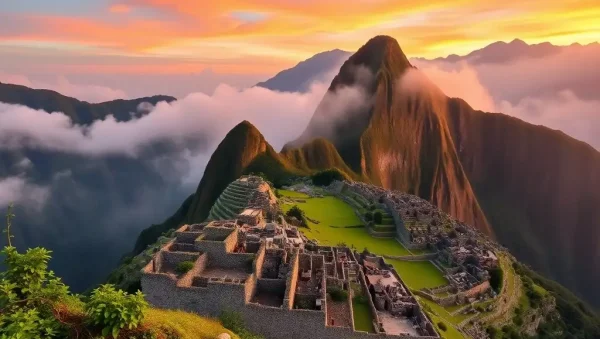
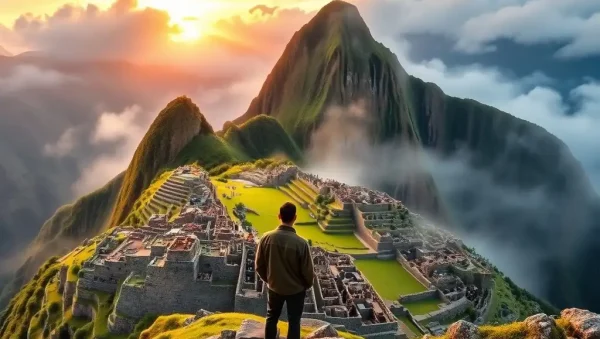
Machu Picchu stands as one of the most extraordinary achievements of the Inca Empire 🏔️. Explore its history, sacred significance, architectural brilliance, and enduring mysteries while discovering how this ancient citadel reflects Inca engineering, spirituality, and connection with the Andes. From its mountain setting to its role in royal and religious life, uncover why Machu Picchu remains a treasured symbol of Andean civilization and a must-visit destination for history enthusiasts 🌄.
40 articles
All articles in Machu Picchu: History and Significance
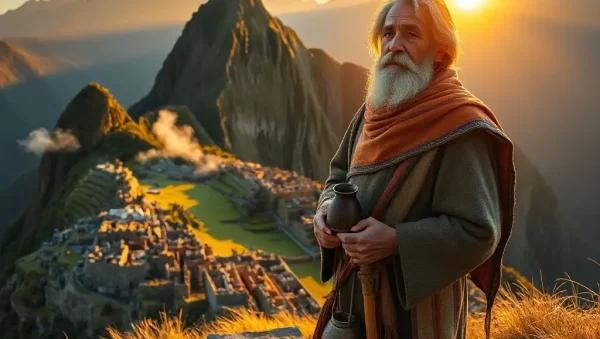
The Role of Priests at Machu Picchu: Religious Leadership in the Inca Empire
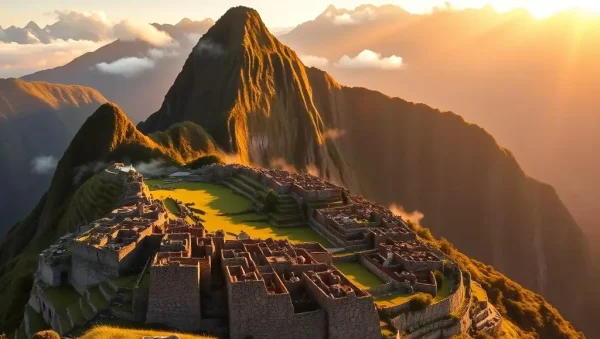
Machu Picchu's Enduring Mystique: Why it Captivates the World
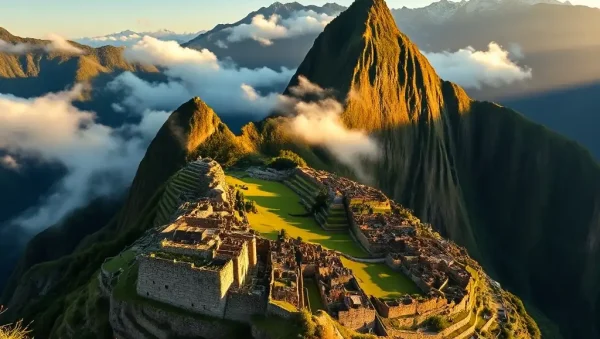
Machu Picchu and the Inca Cosmovision: Understanding the Inca World
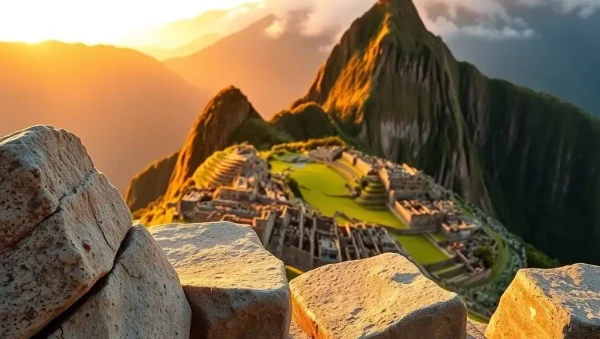
The Significance of Machu Picchu's Stonework: Precision and Artistic Expression
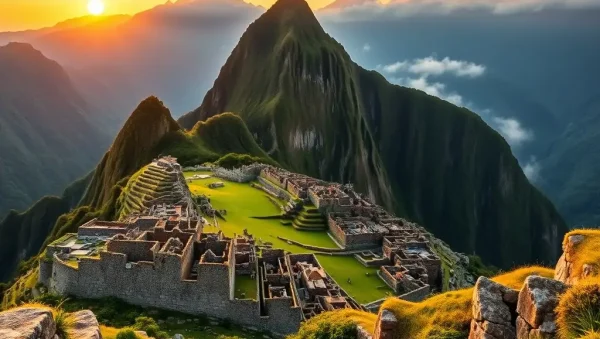
The Urban Layout of Machu Picchu: A Glimpse into Inca City Planning
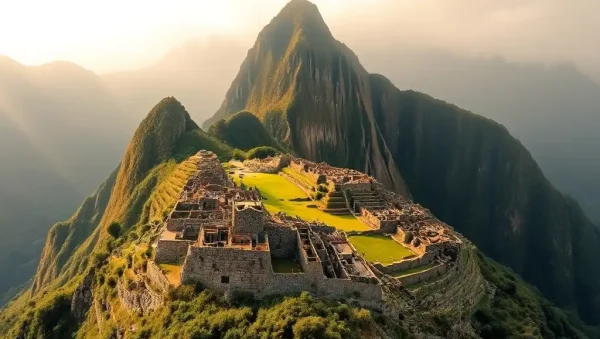
The Spanish Conquest and Machu Picchu: Why the City Remained Undiscovered
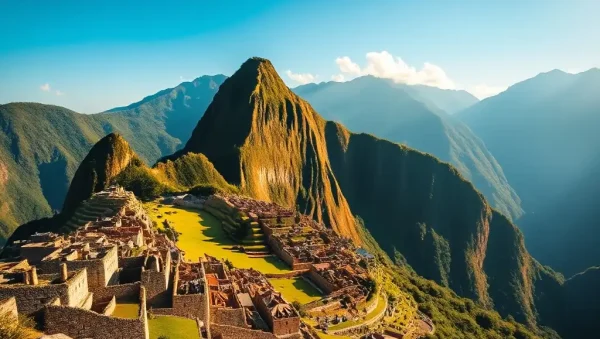
Machu Picchu's Connection to the Inca Road System: Qhapaq Ñan
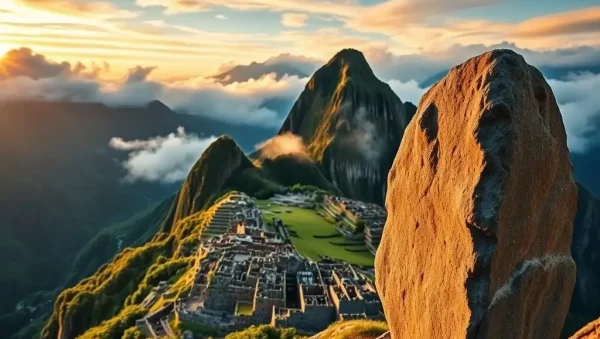
Machu Picchu and the Inca Calendar: Understanding Time and Rituals
The Legends and Myths of Machu Picchu: Folklore and Oral Traditions
🏔️ Machu Picchu: History and Significance
Machu Picchu is one of the most remarkable archaeological sites of the Inca Empire and a lasting symbol of ancient Andean civilization. Located high in the Peruvian Andes near Cusco, this extraordinary stone citadel offers insights into Inca architecture, religion, astronomy, agriculture, engineering, and royal life. Explore its origins, purpose, cultural meaning, and enduring importance through well-researched articles from Andean Civilizations.
📜 The History and Discovery of Machu Picchu
Learn how Machu Picchu developed during the height of the Inca Empire, particularly during the reign of Pachacuti Inca Yupanqui in the fifteenth century. Articles in this section examine the site’s construction, its relationship with the broader Inca state, and the historical evidence preserved in chronicles, archaeology, and the surrounding landscape.
Readers can also discover how Machu Picchu became known internationally after Hiram Bingham’s 1911 expedition, while considering the difference between modern “discovery” and the fact that local communities already knew of and interacted with the site. Expect accessible explanations of excavation, research, preservation, and the continuing debate surrounding the citadel’s past.
🏛️ Inca Architecture and Stonework
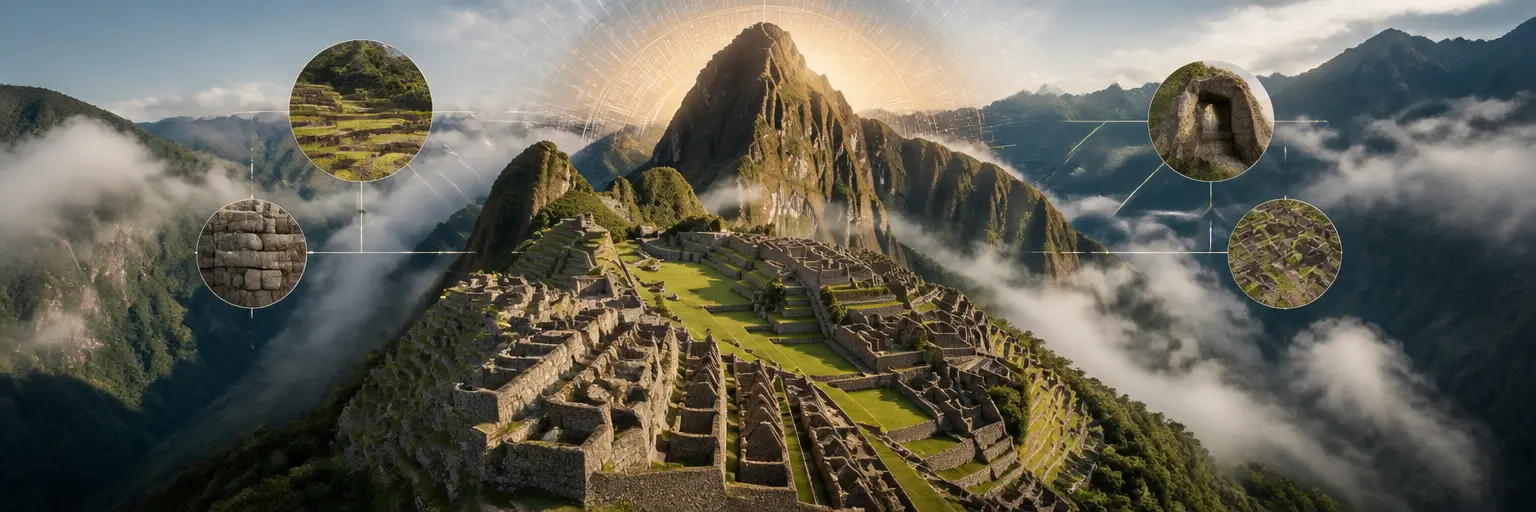
Explore the architectural achievements that make Machu Picchu famous, including precisely fitted masonry, terraces, ceremonial plazas, temples, residences, stairways, and drainage systems. This subcategory explains how Inca builders worked with the steep mountain terrain to create a stable and functional settlement without modern construction equipment.
Discover the significance of architectural features such as ashlar stonework, trapezoidal doorways, polygonal walls, and earthquake-resistant design. Articles also examine how Machu Picchu compares with other Inca sites, including Cusco, Ollantaytambo, Pisac, and Sacsayhuamán, revealing the technical knowledge behind Andean monumental architecture.
🌞 Religion, Rituals, and Sacred Meaning
Machu Picchu was more than a residential or administrative center; it was also a place shaped by Inca religious beliefs and sacred geography. Learn about the worship of the sun, mountains, water, ancestors, and natural forces, as well as the role that ritual spaces may have played in the lives of the site’s inhabitants.
Explore important structures such as the Temple of the Sun, the Sacred Rock, the Temple of the Three Windows, and the Intihuatana stone. Content in this section presents archaeological interpretations carefully, helping readers understand what is known, what remains uncertain, and how researchers connect Machu Picchu with the Andean concept of huaca, or sacred place.
🔭 Astronomy and the Intihuatana Stone
Discover the possible astronomical functions of Machu Picchu’s buildings and monuments. Inca civilization observed the movements of the sun, moon, and stars to organize calendars, agricultural activities, ceremonies, and social life. Articles explore solstices, seasonal light patterns, and the relationship between architecture and the surrounding mountains.
The famous Intihuatana stone is often described as a ceremonial or astronomical monument, although its exact purpose remains debated. Readers will find informative discussions of Inca astronomy, solar observation, sacred landscapes, and archaeoastronomy without treating modern theories as established fact.
🌿 Agriculture, Terraces, and Inca Engineering
Learn how the people of Machu Picchu transformed a challenging mountain environment into a productive and resilient settlement. The site’s agricultural terraces helped manage soil, water, erosion, and temperature while supporting crops suited to the Andean highlands.
This section also explores sophisticated water channels, fountains, drainage networks, roads, and retaining walls. By examining these systems, readers can understand how Inca engineering and environmental knowledge supported daily life, food production, public health, and the long-term stability of Machu Picchu.
👑 Royal Life and the Purpose of Machu Picchu
One of the most enduring questions is why Machu Picchu was built. Many scholars associate it with Pachacuti, suggesting that it may have served as a royal estate, ceremonial retreat, pilgrimage destination, administrative center, or a combination of these functions.
Explore the evidence used to interpret the site’s purpose, including architectural layout, elite residences, ritual structures, agricultural zones, and nearby roads. This content presents competing explanations and emphasizes that Machu Picchu’s significance may have changed over time rather than fitting into a single category.
🌎 Cultural Legacy and Global Importance
Machu Picchu remains central to the cultural heritage of Peru and to the study of the Inca Empire. Its stone architecture, dramatic location, and historical importance attract researchers, travelers, educators, and anyone interested in ancient civilizations of the Andes.
Read about UNESCO World Heritage status, conservation challenges, responsible tourism, and the importance of respecting Indigenous heritage. Articles also explain how Machu Picchu contributes to wider discussions about archaeological preservation, cultural identity, sustainable travel, and the legacy of Andean civilizations.
❓ Frequently Asked Questions About Machu Picchu
🏔️ When was Machu Picchu built?
Machu Picchu was most likely constructed during the fifteenth century, generally associated with the reign of Pachacuti Inca Yupanqui. Archaeological evidence suggests that the site developed during the height of the Inca Empire and was used for several generations.
👑 Who built Machu Picchu?
Machu Picchu was built by the Inca state using highly organized labor, advanced stoneworking, agricultural knowledge, and engineering techniques. Workers likely came from different regions of the empire, reflecting the Inca system of labor service known as mit’a.
❓ What was the purpose of Machu Picchu?
The exact purpose remains uncertain. Many researchers believe Machu Picchu functioned as a royal estate and ceremonial center connected with Pachacuti, while other interpretations emphasize pilgrimage, astronomy, administration, and sacred geography.
🌞 Why is Machu Picchu important to Inca history?
Machu Picchu is important because it preserves evidence of Inca architecture, religion, agriculture, astronomy, social organization, and environmental engineering. The site provides a rare view of how the Inca combined monumental construction with the natural landscape.
🛡️ Why was Machu Picchu abandoned?
Machu Picchu appears to have been abandoned during the sixteenth century, around the period of Spanish conquest and major demographic changes in the Andes. Its precise abandonment process is not fully known, and there is no definitive evidence that the Spanish directly conquered the citadel.