The Inca Empire

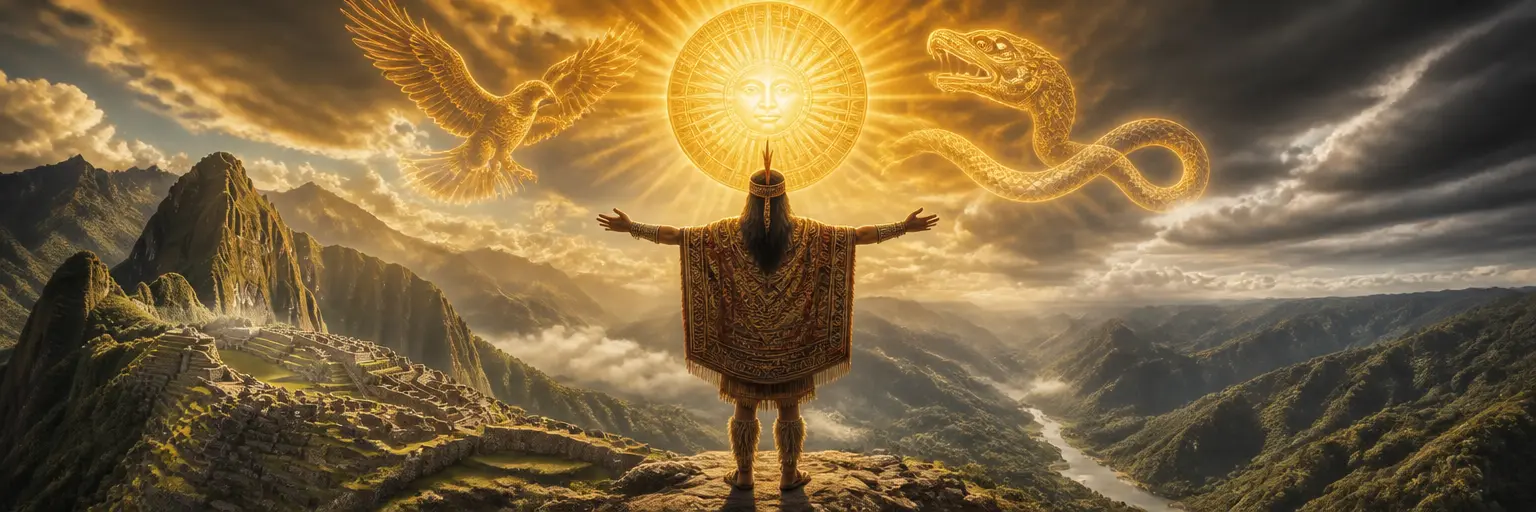
Discover the origins and mythology of the Incas 🏔️—a captivating journey through sacred creation stories, legendary rulers, powerful deities, and the spiritual traditions that shaped the Inca Empire. Explore how myths surrounding Manco Cápac, Mama Ocllo, Viracocha, and the founding of Cusco influenced Inca religion, identity, politics, and daily life. ✨ Uncover the enduring legends and beliefs that reveal the cultural foundations of one of South America’s greatest ancient civilizations.
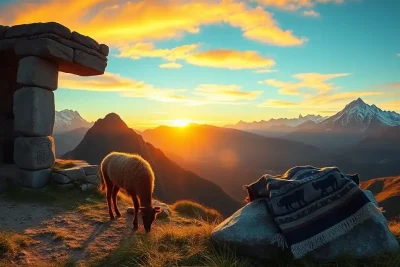
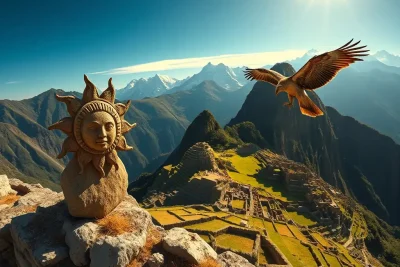
Discover the fascinating origins and mythology of the Incas, from sacred creation stories and ancestral heroes to the religious traditions that helped shape the Inca Empire. This subcategory explores how the Inca people understood the beginning of the world, the foundation of Cusco, the authority of their rulers, and the relationship between humans, gods, ancestors, and the natural landscape of the Andes. Learn how oral traditions, sacred places, imperial ceremonies, and archaeological evidence reveal the spiritual foundations of one of South America’s greatest civilizations.
Explore the most important Inca creation myths, including stories associated with Viracocha, the creator deity who was believed to have shaped the world, the sun, the moon, and humanity. These narratives offer insight into how Andean societies explained cosmic order, natural forces, human origins, and the relationship between the heavens, the earth, and the underworld.
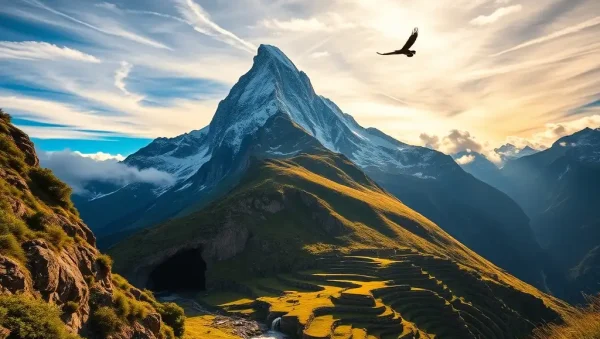
Readers can compare different versions of Inca origin stories while discovering the importance of mountains, lakes, caves, and springs in Andean religious thought. Articles in this section examine the meaning of cosmogony, sacred landscapes, ancestral emergence, and divine creation within the broader history of the Inca civilization.
Learn about the principal deities of the Inca pantheon, including Inti, the sun god; Viracocha, the creator; Pachamama, the earth mother; Mama Quilla, the moon goddess; and Illapa, a powerful deity connected with thunder, lightning, and rain. Understanding these gods helps explain the religious beliefs, agricultural practices, political ideology, and ceremonial life of the Inca Empire.
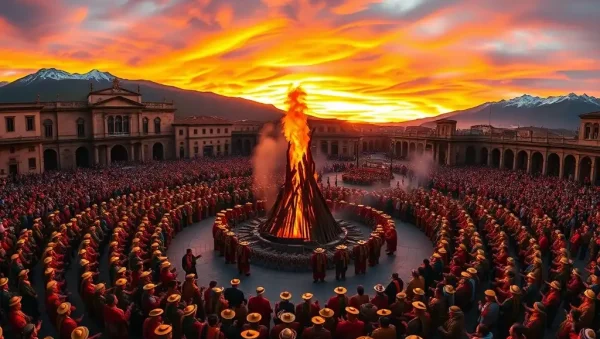
This section also explores how the Incas incorporated local gods and traditions from conquered regions into their imperial religion. Discover the significance of offerings, sacred objects, temples, priests, and festivals, as well as the way Inca mythology connected divine power with fertility, warfare, kingship, weather, and agricultural prosperity.
Investigate the famous legend of Manco Cápac and Mama Ocllo, who are traditionally described as children of the sun and founders of the Inca royal lineage. According to this tradition, they emerged from Lake Titicaca and traveled toward the place where the future capital of Cusco would be established. Their story presents the Incas as a people chosen to bring order, culture, agriculture, and civilization to the Andes.
Examine how the founding of Cusco became central to Inca identity and imperial history. The legend is not only a tale of migration but also a powerful explanation of royal legitimacy, sacred ancestry, political authority, and the origins of Inca society. Content in this section distinguishes between mythology, historical interpretation, and archaeological evidence.
Discover the complex origin story of the Ayar brothers, a group of ancestral heroes associated with the emergence of the Incas from the region around Cusco. The narrative describes journeys, rivalries, transformations, and acts of sacrifice that eventually lead to the establishment of Inca leadership and the foundation of a powerful Andean state.
The Ayar myth reveals how the Incas understood kinship, migration, competition, social organization, and the transformation of ancestors into sacred beings. Readers will learn how this tradition contributes to the study of Inca ethnogenesis, ancestral worship, oral history, and the formation of early Cusco, while considering the challenges of interpreting accounts recorded after the Spanish conquest.
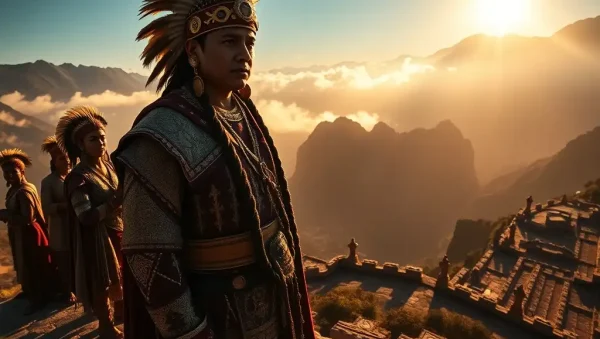
Explore the relationship between Inca emperors and divine ancestry. The Sapa Inca was regarded as the descendant of the sun and served as a political, religious, and ceremonial leader. This sacred status helped strengthen imperial authority, organize the state, and connect the royal court with the gods and ancestors.
Learn how royal mummies, ancestor veneration, succession traditions, marriage alliances, and public rituals preserved the spiritual power of deceased rulers. This section explains how mythology supported Inca government, imperial expansion, taxation, social hierarchy, and the administration of the Tahuantinsuyu.
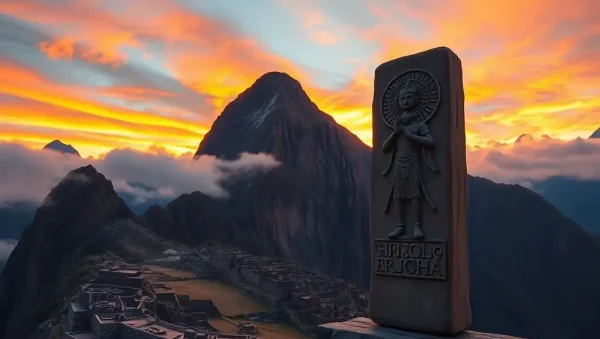
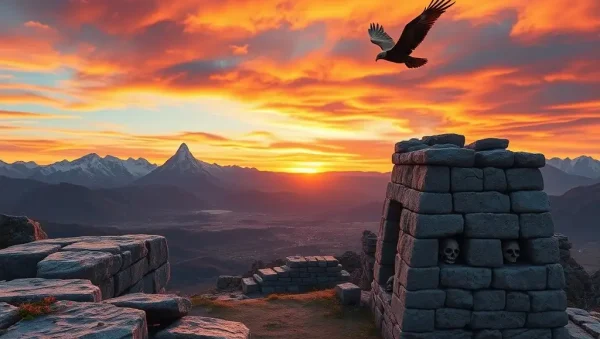
Discover the importance of huacas, or sacred places and objects, throughout the Inca world. Huacas could include mountains, springs, caves, stones, temples, fields, and unusual natural formations. These places were believed to possess spiritual power and served as centers for pilgrimage, offerings, ceremony, and communication with supernatural forces.
From the sacred geography of Cusco to the worship of apus, or mountain spirits, this section explores how the Incas treated the landscape as a living religious system. Readers will gain a deeper understanding of Andean spirituality, sacred mountains, pilgrimage routes, ritual space, and the environmental foundations of Inca mythology.
Because the Incas did not use a conventional alphabetic writing system, much of what is known about their mythology comes from oral traditions, colonial chronicles, archaeology, art, and cultural comparison. Spanish writers such as Pedro Cieza de León, Juan de Betanzos, and Garcilaso de la Vega recorded important narratives, although their accounts were shaped by translation, religious assumptions, political interests, and the circumstances of conquest.
This section helps readers evaluate Inca myths as both sacred traditions and historical sources. Articles explain how researchers combine chronicles with archaeological discoveries, iconography, quipus, place names, and living Andean traditions to reconstruct the origins, beliefs, and cultural memory of the Inca Empire.
Two of the best-known Inca origin traditions are the story of Manco Cápac and Mama Ocllo, who emerged from Lake Titicaca, and the story of the Ayar brothers, who journeyed from a sacred place near Cusco. Both myths explain the beginnings of the Inca people, their royal lineage, and the foundation of Cusco.
Viracocha was regarded as a creator deity associated with the formation of the world, the sun, the moon, and humanity. In different traditions, Viracocha appears as a powerful civilizing figure who traveled across the Andes and established order before disappearing beyond the western horizon.
Inti was the sun god and one of the most important deities in the Inca religion. The Sapa Inca was believed to descend from Inti, making the sun central to royal authority, agricultural ceremonies, imperial festivals, and the political unity of the Tahuantinsuyu.
Huacas were sacred places, objects, or natural features believed to contain spiritual power. Mountains, caves, springs, stones, temples, and ancestral sites could all be considered huacas. Communities honored them through offerings, ceremonies, pilgrimages, and ritual care.
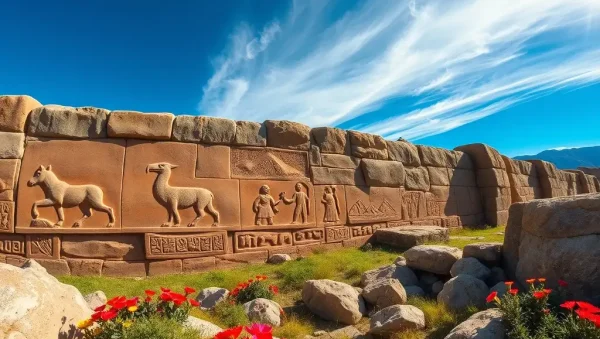
Historians study Spanish colonial chronicles, archaeological sites, temples, ceramics, textiles, sculpture, oral traditions, place names, and modern Andean beliefs. Since many myths were transmitted orally, researchers compare multiple sources and recognize that different regions and communities preserved distinct versions of Inca traditions.